Phosphorylated Antibodies
Anti-Phospho-NMDAR1 (S896/S897) Polyclonal Antibody for WB, ELISA - Q05586
Item Number : CM0001674
Price varies based on specs and customizations
- Application
- WB, ELISA
- Cross Reactivity
- Human, Mouse, Rat
- Protein Weight
- 105kDa

Shipping:
Contact us to get shipping details Enjoy On-time Dispatch Guarantee.
Why Choose Us
Easy ordering process, quality products, and dedicated support for your business success.
Core Product Specifications and Parameters
| Parameter | Value |
|---|---|
| Product Name | Phospho-NMDAR1-S896/S897 Rabbit pAb |
| Remarks/Alias | NR1; MRD8; GluN1; NMDA1; DEE101; NDHMSD; NDHMSR; NMD-R1; NMDAR1; Phospho-NMDAR1-S896/S897 |
| Species | Human |
| GeneID (Human) | 2902 |
| GeneID | 2902 |
| Immunogen | Synthetic peptide|A synthetic phosphorylated peptide around S896 & S897 of human NMDAR1 (NP_015566.1). |
| Source | Rabbit |
| Category | Phosphorylated Antibodies |
| Application | WB, ELISA |
| Cross Reactivity | Human, Mouse, Rat |
| SWISS | Q05586 |
| Protein Weight | 105kDa |
| Shipping | Ice bag |
Biological Background: NMDAR1 (GluN1) Function and Localization
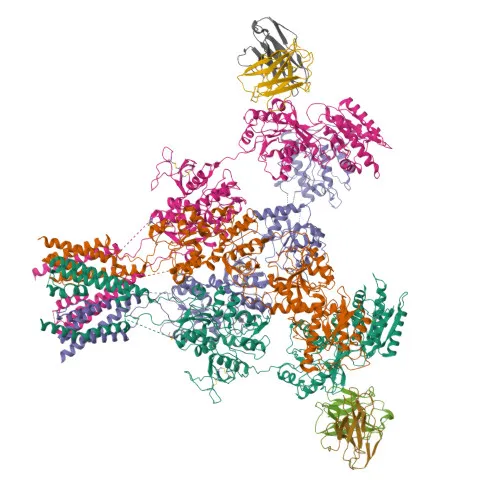
- Encoded by the GRIN1 gene, the GluN1 protein (also designated NR1, NMDAR1) is the obligatory subunit of NMDA receptors, which are essential for excitatory neurotransmission in the central nervous system.
- NMDA receptors form heterotetrameric, ligand-gated cation channels with high calcium permeability and voltage-dependent magnesium block, contributing to synaptic plasticity, learning, and memory (PubMed:21376300, PubMed:26875626, PubMed:26919761). Related references: PMID:21376300 PMID:26875626 PMID:26919761
- The GluN1 subunit assembles with GluN2 (A-D) or GluN3 (A-B) subunits to form functional NMDA receptors; different subunit compositions confer distinct pharmacological and kinetic properties on the channel (PubMed:26875626, PubMed:26919761, PubMed:36309015). Related references: PMID:26875626 PMID:26919761 PMID:36309015
- Channel gating requires coincident binding of L-glutamate to the GluN2 subunit and glycine or D-serine to the GluN1 subunit, along with membrane depolarization to relieve voltage-dependent Mg²⁺ block; this allows Ca²⁺ and Na⁺ influx and K⁺ efflux (PubMed:21376300, PubMed:26875626, PubMed:26919761). Related references: PMID:21376300 PMID:26875626 PMID:26919761
- The GluN1 C-terminal domain is subject to extensive post-translational modification, including phosphorylation at residues Ser896 and Ser897, which can modulate receptor trafficking and function.
- NMDA receptors are predominantly located at the postsynaptic density membrane of excitatory synapses, placing them at the core of synaptic signaling and plasticity.
- Mutations in GRIN1 are associated with neurodevelopmental disorders, including epilepsy, intellectual disability, and developmental and epileptic encephalopathy (DEE101), highlighting the critical role of GluN1 in brain function.
Experimental Guidance and Technical Tips
- Since this antibody recognizes phosphorylation at S896/S897, include phosphatase inhibitors during sample preparation to preserve the phospho-epitope.
- For western blotting, the predicted molecular weight of NMDAR1 is ~105 kDa; use an appropriate gel percentage (e.g., 8–10% SDS-PAGE) and transfer conditions for high-molecular-weight proteins.
- Validate specificity by peptide competition assays: pre-incubate the antibody with the phosphorylated immunogen peptide or a non-phosphorylated peptide to confirm phospho-specific recognition.
- For ELISA, the antibody may be used with the phosphorylated peptide as coating antigen; optimize coating concentration and detection conditions.
- Consider using positive control lysates from human, mouse, or rat brain tissue or neuronal cell lines known to express NMDAR1.
- Cross-reactivity with human, mouse, and rat indicates conserved epitope; however, perform validation in the relevant species and model system.
CamelBio: Your One-Stop Sourcing Bridge
CamelBio serves as a comprehensive one-stop sourcing partner for IVD manufacturers and research laboratories, providing validated antibodies, bulk ancillary reagents, and access to rare-target raw materials. This phospho-specific anti-NMDAR1 (GluN1) antibody supports neuroscience research into NMDA receptor signaling, synaptic plasticity, and related disorders. Our supply chain covers every stage from concept to clinic, ensuring reliable and scalable procurement of critical raw materials.
REQUEST A QUOTE
Our professional team will reply to you within one business day. Please feel free to contact us!