Phosphorylated Antibodies
Anti-Phospho-mTOR (Ser2481) Rabbit Monoclonal Antibody for WB, ELISA - P42345
Item Number : CM0001176
Price varies based on specs and customizations
- Application
- WB, ELISA
- Cross Reactivity
- Human, Mouse
- Protein Weight
- 289kDa

Shipping:
Contact us to get shipping details Enjoy On-time Dispatch Guarantee.
Why Choose Us
Easy ordering process, quality products, and dedicated support for your business success.
Core Product Specifications and Parameters
| Parameter | Description |
|---|---|
| Product Name | Phospho-mTOR-S2481 Rabbit mAb |
| Remarks/Alias | SKS; FRAP; FRAP1; FRAP2; RAFT1; RAPT1; Phospho-mTOR-S2481 |
| Species | Human |
| GeneID (Human) | 2475 |
| GeneID | 2475 |
| Immunogen | Synthetic Peptide: A synthetic phosphorylated peptide around S2481 of human mTOR (P42345). |
| Source | Rabbit |
| Category | Phosphorylated Antibodies |
| Application | WB, ELISA |
| Cross Reactivity | Human, Mouse |
| SWISS | P42345 |
| Protein Weight | 289kDa |
| Shipping | Ice bag |
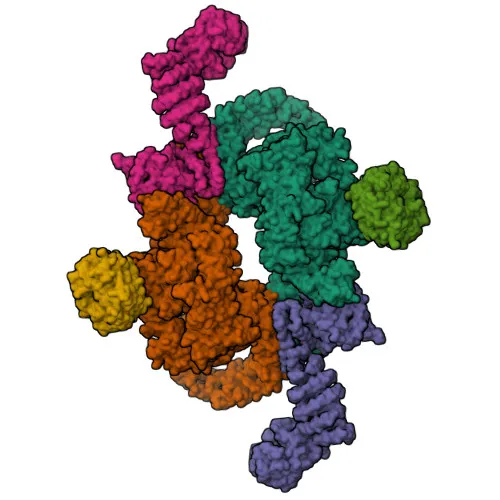
Biological Background: mTOR Function and Localization
- Serine/threonine-protein kinase that acts as a central regulator of cellular metabolism, growth, and survival in response to hormones, growth factors, nutrients, energy, and stress signals. Related references: PMID:12087098, PMID:12150925, PMID:12150926
- Functions as part of two distinct complexes, mTORC1 and mTORC2, each with unique downstream targets and regulatory mechanisms. Related references: PMID:15268862, PMID:15467718, PMID:18497260
- mTORC1 responds to nutrient and amino acid sufficiency, promoting protein synthesis via phosphorylation of EIF4EBP1 and RPS6KB1, and stimulating lipogenesis and nucleotide biosynthesis. Related references: PMID:12087098, PMID:12150925, PMID:12150926, PMID:23429703, PMID:23429704, PMID:23426360
- mTORC2 transduces growth factor signals to control proliferation, cytoskeletal organization, and anabolic output, primarily by phosphorylating AGC kinases such as AKT, PKC, and SGK1. Related references: PMID:15268862, PMID:15467718, PMID:21376236
- Subcellular localization includes lysosome, endoplasmic reticulum, Golgi, mitochondrial outer membrane, cytoplasm, nucleus, and phagosomes, reflecting its diverse functional contexts.
- Expressed in numerous tissues, with highest levels in testis.
- This antibody was raised against a synthetic phosphopeptide corresponding to residues surrounding Ser2481 of human mTOR, enabling specific detection of phosphorylation at this site.
- MTOR is subject to various post-translational modifications including phosphorylation, acetylation, and ubiquitination, as indicated by UniProt keywords.
Experimental Guidance and Technical Tips
- For Western blot, due to the high molecular weight of mTOR (289 kDa), use a low percentage polyacrylamide gel (e.g., 6–8%) and optimize transfer conditions to achieve efficient membrane transfer.
- To maintain phosphorylation at Ser2481, include phosphatase inhibitors in cell lysis buffers and avoid prolonged sample handling.
- The antibody has been validated for WB and ELISA with human and mouse samples; cross-reactivity with other species should be determined empirically.
- For optimal results, store the antibody as recommended and minimize freeze-thaw cycles.
CamelBio: Your One-Stop Sourcing Bridge
CamelBio serves as a comprehensive one-stop sourcing partner for IVD raw materials, offering validated antibody pairs, optimized monoclonal/polyclonal antibodies, and bulk ancillary reagents. With expertise in phospho-specific antibodies and cell signaling targets like mTOR, we assist diagnostic manufacturers and researchers in streamlining their raw material procurement from concept to clinic.
REQUEST A QUOTE
Our professional team will reply to you within one business day. Please feel free to contact us!