Phosphorylated Antibodies
Anti-Phospho-mTOR (S2481) Rabbit Polyclonal Antibody for WB, ELISA - P42345
Item Number : CM0000582
Price varies based on specs and customizations
- Application
- WB, ELISA
- Cross Reactivity
- Human, Mouse, Rat
- Protein Weight
- 289kDa

Shipping:
Contact us to get shipping details Enjoy On-time Dispatch Guarantee.
Why Choose Us
Easy ordering process, quality products, and dedicated support for your business success.
Core Product Specifications and Parameters
| Parameter | Value |
|---|---|
| Product Name | Phospho-mTOR-S2481 Rabbit pAb |
| Remarks/Alias | SKS; FRAP; FRAP1; FRAP2; RAFT1; RAPT1; Phospho-mTOR-S2481 |
| Species | Human |
| Gene ID (Human) | 2475 |
| Gene ID | 2475 |
| Immunogen | A synthetic phosphorylated peptide around S2481 of human mTOR (NP_004949.1) |
| Source | Rabbit |
| Category | Phosphorylated Antibodies |
| Application | WB, ELISA |
| Cross Reactivity | Human, Mouse, Rat |
| SWISS | P42345 |
| Protein Weight | 289kDa |
| Shipping | Ice bag |
Biological Background: mTOR Function and Localization
- mTOR is a serine/threonine protein kinase that acts as a central regulator of cellular metabolism, growth, and survival in response to hormones, growth factors, nutrients, and stress signals. Related references: PMID:12087098 PMID:12150925 PMID:12150926
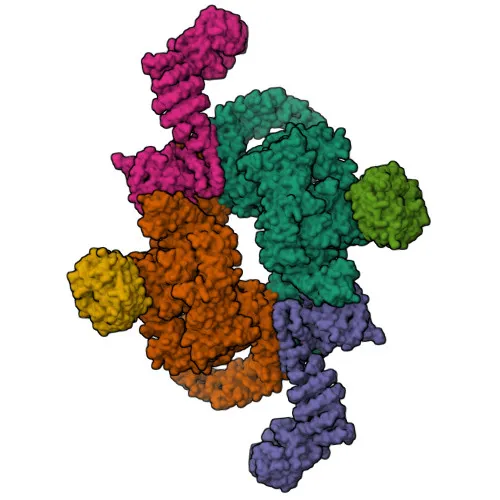
- mTOR functions as part of two structurally and functionally distinct complexes, mTORC1 and mTORC2, which mediate its diverse cellular effects. Related references: PMID:15268862 PMID:15467718 PMID:18497260
- mTORC1 promotes protein synthesis by phosphorylating key regulators such as EIF4EBP1 (releasing eIF4E) and RPS6KB1, thereby modulating ribosomal protein S6 and translation initiation factors. Related references: PMID:24403073 PMID:29236692 PMID:12087098 PMID:12150925 PMID:18925875
- mTORC2 phosphorylates and activates AGC kinases, including AKT, PKC, and SGK1, regulating processes such as proliferation, cytoskeletal organization, and anabolic output. Related references: PMID:15268862 PMID:15467718 PMID:24670654 PMID:21376236
- mTOR localizes to multiple cellular compartments, including the lysosome, endoplasmic reticulum, Golgi, mitochondrion, and plasma membrane, reflecting its pleiotropic functions.
- mTOR is expressed in numerous tissues with the highest levels in testis, and mutations in MTOR are associated with neurological disorders such as epilepsy and intellectual disability.
Experimental Guidance and Technical Tips
- Given the large molecular weight of mTOR (289 kDa), consider using low-percentage SDS-PAGE gels and extended transfer times for Western blotting.
- For phospho-specificity validation, treat cell lysates with lambda protein phosphatase before probing; the signal should be abolished upon dephosphorylation.
- In ELISA applications, compare binding to phosphorylated versus non-phosphorylated peptide antigens to confirm specificity.
- The antibody cross-reacts with human, mouse, and rat samples, making it suitable for multi-species studies; however, appropriate controls should be included for each species.
CamelBio: Your One-Stop Sourcing Bridge
CamelBio offers comprehensive one-stop sourcing solutions for IVD raw materials, from validated antibody pairs and optimized monoclonal/polyclonal antibodies to bulk ancillary reagents. For mTOR signaling research, this phospho-Ser2481 antibody can be integrated into custom assay development, and CamelBio can assist in procuring additional rare target raw materials to streamline your diagnostic pipeline. Our team supports every stage from concept to clinic, helping you accelerate product realization with reliable supply chains.
REQUEST A QUOTE
Our professional team will reply to you within one business day. Please feel free to contact us!