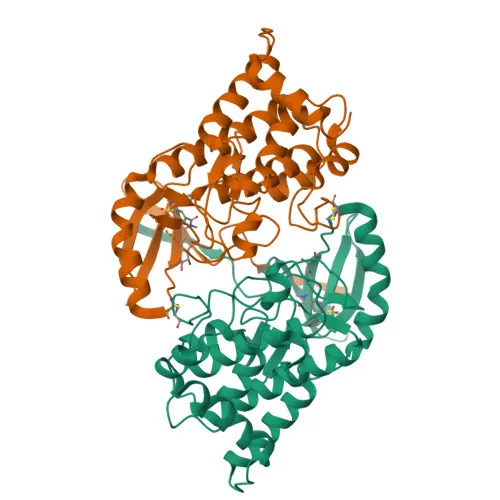
Phosphorylated Antibodies
Anti-Phospho-LIMK2-T505 Rabbit Polyclonal Antibody for WB and IF/ICC - P53671
Item Number : CM0001824
Price varies based on specs and customizations
- Application
- WB, IF/ICC
- Cross Reactivity
- Human, Mouse, Rat
- Protein Weight
- 72kDa

Shipping:
Contact us to get shipping details Enjoy On-time Dispatch Guarantee.
Why Choose Us
Easy ordering process, quality products, and dedicated support for your business success.
Core Product Specifications and Parameters
| Parameter | Value |
|---|---|
| Product Name | Phospho-LIMK2-T505 Rabbit pAb |
| Remarks/Alias | LIMK2; Phospho-LIMK2-T505 |
| Species | Human |
| GeneID (Human) | 3985 |
| GeneID | 3985 |
| Immunogen | Synthetic peptide: A phospho specific peptide corresponding to residues surrounding T505 of human LIMK2 |
| Source | Rabbit |
| Category | Phosphorylated Antibodies |
| Application | WB, IF/ICC |
| Cross Reactivity | Human, Mouse, Rat |
| SWISS | P53671 |
| Protein Weight | 72kDa |
| Shipping | Ice bag |
Biological Background: LIMK2 Function and Localization
- LIMK2 is a serine/threonine-protein kinase that acts downstream of Rho family GTPases, regulating actin filament dynamics and cell motility. Related references: PMID:10436159, PMID:11018042
- It phosphorylates TPPP to control astral microtubule organization and mitotic spindle orientation during early mitosis. Related references: PMID:22328514
- In vitro, LIMK2 phosphorylates myelin basic protein and histone (MBP), demonstrating broad substrate activity. Related references: PMID:8537403
- LIMK2 suppresses ciliogenesis by phosphorylating CFL1, disrupting ciliary vesicle trafficking, and driving YAP1/TEAD4-mediated transcriptional repression of AURKA and PLK1. Related references: PMID:25849865
- The protein contains LIM and PDZ domains, suggesting roles in protein-protein interactions and scaffolding.
- Localizes to the cytoplasm, cytoskeleton (spindle and centrosome), nucleus, and perinuclear region, consistent with its diverse functions.
- Classified as a transferase and phosphoprotein with metal-binding zinc finger motifs, indicative of its regulatory complexity.
Experimental Guidance and Technical Tips
- To preserve T505 phosphorylation during sample preparation, include phosphatase inhibitors in lysis buffers and avoid prolonged sample handling.
- For Western blot, expect a band at approximately 72 kDa; use fresh lysates and validate loading controls.
- In immunofluorescence, test fixation methods (e.g., methanol versus paraformaldehyde) to optimize phospho-epitope retention.
- Verify specificity using phosphatase-treated controls or peptide competition assays to confirm phospho-specific binding.
- The antibody reacts with human, mouse, and rat samples; cross-reactivity with other species should be tested empirically.
- Since the antibody is raised in rabbit, select an appropriate anti-rabbit secondary antibody for detection.
CamelBio: Your One-Stop Sourcing Bridge
CamelBio streamlines IVD raw-material procurement by offering a comprehensive portfolio of validated antibodies, including this phospho-specific LIMK2 reagent for actin dynamics and cell signaling research. From optimized monoclonal and polyclonal antibodies to bulk ancillary reagents and rare target sourcing, we support diagnostic manufacturers and laboratories in accelerating assay development. Visit our catalog to explore one-stop solutions that bridge from concept to clinical application.
Product Datasheet
Anti-Phospho-LIMK2-T505 Rabbit Polyclonal Antibody for WB and IF/ICC - P53671
REQUEST A QUOTE
Our professional team will reply to you within one business day. Please feel free to contact us!