Phosphorylated Antibodies
Anti-Phospho-KRAS-S89 Rabbit Polyclonal Antibody for WB, IHC-P, ELISA - P01116
Item Number : CM0001852
Price varies based on specs and customizations
- Application
- WB, IHC-P, ELISA
- Cross Reactivity
- Human, Mouse, Rat
- Protein Weight
- 22kDa

Shipping:
Contact us to get shipping details Enjoy On-time Dispatch Guarantee.
Why Choose Us
Easy ordering process, quality products, and dedicated support for your business success.
Core Product Specifications and Parameters
| Parameter | Value |
|---|---|
| Product Name | Phospho-KRAS-S89 Rabbit pAb |
| Remarks/Alias | NS; NS3; OES; CFC2; RALD; K-Ras; KRAS1; KRAS2; RASK2; KI-RAS; C-K-RAS; K-RAS2A; K-RAS2B; K-RAS4A; K-RAS4B; K-Ras 2; 'C-K-RAS; c-Ki-ras; c-Ki-ras2; Phospho-KRAS-S89 |
| Species | Human |
| Gene ID (Human) | 3845 |
| Gene ID | 3845 |
| Immunogen | A synthetic phosphorylated peptide around S89 of human KRAS (NP_001356715.1) |
| Source | Rabbit |
| Category | Phosphorylated Antibodies |
| Application | WB, IHC-P, ELISA |
| Cross Reactivity | Human, Mouse, Rat |
| SWISS | P01116 |
| Protein Weight | 22kDa |
| Shipping | Ice bag |
Biological Background: KRAS (GTPase KRas) Function and Localization
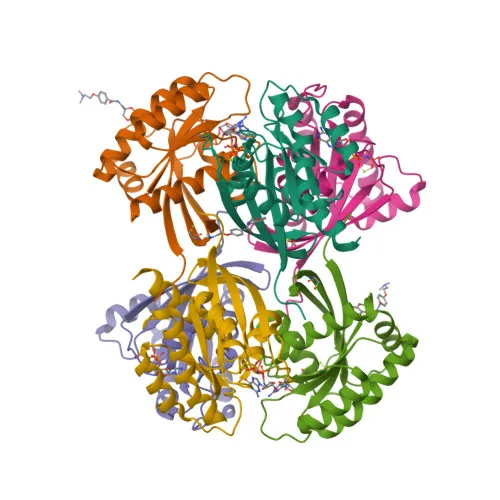
- KRAS (GTPase KRas), also known as K-Ras 2, Ki-Ras, c-K-ras, is encoded by the KRAS gene (also known as KRAS2, RASK2) and belongs to the Ras family of small GTPases.
- Serves as a signal transducer in the Ras-MAPK signaling pathway, regulating cell proliferation and survival. Ras proteins bind GDP/GTP and possess intrinsic GTPase activity. Related references: PMID:22711838 PMID:23698361 PMID:20949621 PMID:39809765
- Activates MAPK1/MAPK3, resulting in phosphorylation and subsequent degradation of GJA1 (By similarity).
- In colorectal cancer (CRC) cells, promotes oncogenic events by inducing transcriptional silencing of tumor suppressor genes (TSGs) in a ZNF304-dependent manner. Related references: PMID:24623306
- Recognized by LZTR1, which mediates its ubiquitination by a BCR (BTB-CUL3-RBX1) E3 ubiquitin-protein ligase complex. Related references: PMID:40934300
- Subcellular localization includes the cell membrane, endomembrane system, and cytoplasm.
- Tissue specificity: expressed throughout the epidermis, but weakly in the stratum corneum and dermis (at protein level).
- Post-translational modifications encompass acetylation, ubiquitination, prenylation, palmitoylation, and methylation, which regulate membrane association and activity.
Experimental Guidance and Technical Tips
- This antibody was raised against a synthetic phosphorylated peptide around serine 89 of human KRAS; it is designed to specifically recognize KRAS only when phosphorylated at S89. To confirm phospho-specificity, consider treating samples with lambda phosphatase and observe loss of signal in Western blot.
- Recommended applications include Western blot (WB), immunohistochemistry (IHC-P), and ELISA. For WB, human, mouse, and rat samples are expected to show a band at approximately 22 kDa. Validate the antibody in your specific experimental system by including positive and negative controls.
- For IHC-P, optimize antigen retrieval and antibody dilution; phospho-specific antibodies may require careful handling to preserve phosphorylation status.
- Due to the cross-reactivity across human, mouse, and rat, this antibody is suitable for translational studies; however, always verify reactivity in your model system.
CamelBio: Your One-Stop Sourcing Bridge
CamelBio provides one-stop sourcing for IVD raw materials, including validated antibody pairs and optimized monoclonal/polyclonal antibodies. This phospho-KRAS-S89 antibody supports cancer signaling research and oncogene studies, and is part of CamelBio's comprehensive portfolio of phosphorylated antibodies and ancillary reagents for assay development.
REQUEST A QUOTE
Our professional team will reply to you within one business day. Please feel free to contact us!