Phosphorylated Antibodies
Anti-Phospho-HSL-S660 Rabbit Polyclonal Antibody - Q05469
Item Number : CM0000862
Price varies based on specs and customizations
- Application
- WB, ELISA
- Cross Reactivity
- Human, Mouse
- Protein Weight
- 117kDa

Shipping:
Contact us to get shipping details Enjoy On-time Dispatch Guarantee.
Why Choose Us
Easy ordering process, quality products, and dedicated support for your business success.
Core Product Specifications and Parameters
| Parameter | Value |
|---|---|
| Product Name | Phospho-HSL-S660 Rabbit pAb |
| Remarks/Alias | HSL; LHS; REH; AOMS4; FPLD6; Phospho-HSL-S660 |
| Species | Human |
| Gene ID (Human) | 3991 |
| Immunogen | Synthetic peptide: A synthetic phosphorylated peptide around S660 of human LIPE (NP_005348.2). |
| Source | Rabbit |
| Category | Phosphorylated Antibodies |
| Application | WB, ELISA |
| Cross Reactivity | Human, Mouse |
| SWISS | Q05469 |
| Protein Weight | 117kDa |
| Shipping | Ice bag |
Biological Background: Hormone-sensitive lipase Function and Localization
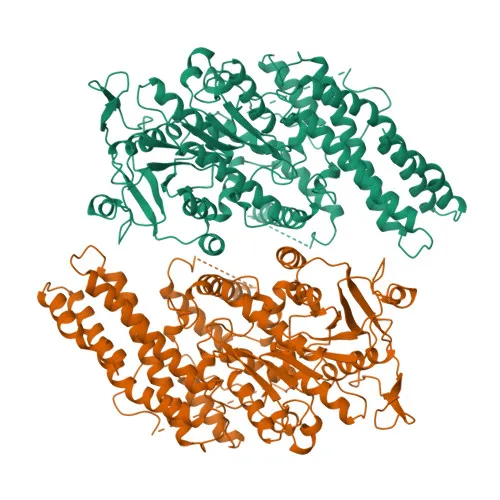
- Hormone-sensitive lipase (HSL), encoded by the LIPE gene, is a multifunctional enzyme with broad substrate specificity, catalyzing the hydrolysis of triacylglycerols (TAGs), diacylglycerols (DAGs), monoacylglycerols (MAGs), cholesteryl esters, and retinyl esters.
Related references:
PMID:15716583, PMID:15955102, PMID:19800417 - It exhibits a preference for DAGs over TAGs and MAGs, and preferentially hydrolyzes fatty acid esters at the sn-3 position of the glycerol backbone in DAGs.
Related references:
PMID:19800417 - HSL also hydrolyzes 2-arachidonoylglycerol (an endocannabinoid) and 2-acetyl monoalkylglycerol ether, a precursor for platelet-activating factor synthesis.
- In adipose tissue and heart, HSL primarily mobilizes stored triglycerides into free fatty acids, while in steroidogenic tissues, it converts cholesteryl esters to free cholesterol for steroid hormone production.
- The protein localizes to the cell membrane, caveolae, cytosol, and lipid droplets, reflecting its dynamic roles in lipid metabolism and signaling.
- HSL is subject to phosphorylation at multiple sites, including Ser660, which regulates its activity and subcellular distribution; it is classified as a phosphoprotein.
- The LIPE gene is alternatively spliced, producing isoforms with distinct tissue distributions; testis shows prominent expression.
Experimental Guidance and Technical Tips
- This antibody was raised against a synthetic phosphopeptide corresponding to the HSL Ser660 phosphorylation site. For phospho-specific detection, consider treating samples with phosphatase inhibitors during lysis and validate specificity using phosphatase treatment.
- For Western blot (WB), a band at ~117 kDa is expected. Ensure adequate blocking and antibody titration to minimize non-specific binding in complex tissue lysates.
- In ELISA, use a phospho-peptide as a positive control and non-phosphorylated peptide to confirm phosphorylation-state specificity.
- Cross-reactivity with human and mouse HSL is predicted; validate performance in the relevant species model before quantitative studies.
CamelBio: Your One-Stop Sourcing Bridge
CamelBio provides diagnostic manufacturers, laboratories, and research institutes with one-stop access to IVD raw materials, including validated antibody pairs, optimized monoclonal and polyclonal antibodies, and bulk ancillary reagents. For studies on hormone-sensitive lipase and metabolic disorders, we offer reliable phospho-specific antibodies like this anti-Phospho-HSL-S660 rabbit pAb and can source rare-target reagents for lipid metabolism research. Whether you need raw materials for assay development or production-scale supply, CamelBio supports your project from concept to clinic.
REQUEST A QUOTE
Our professional team will reply to you within one business day. Please feel free to contact us!