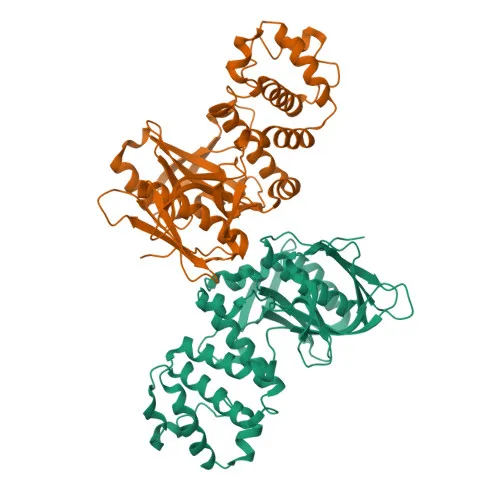
Phosphorylated Antibodies
Anti-Phospho-FAK-Y576/Y577 Rabbit Monoclonal Antibody for WB, ELISA - Q05397
Item Number : CM0001390
Price varies based on specs and customizations
- Application
- WB, ELISA
- Cross Reactivity
- Mouse
- Protein Weight
- 119kDa

Shipping:
Contact us to get shipping details Enjoy On-time Dispatch Guarantee.
Why Choose Us
Easy ordering process, quality products, and dedicated support for your business success.
Core Product Specifications and Parameters
| Parameter | Value |
|---|---|
| Product Name | Phospho-FAK-Y576/Y577 Rabbit mAb |
| Remarks/Alias | FAK; FADK; FAK1; FRNK; FADK 1; PPP1R71; p125FAK; pp125FAK |
| Species | Human |
| Gene ID (Human) | 5747 |
| Gene ID | 5747 |
| Immunogen | A synthetic phosphorylated peptide around Y576 & Y577 of human FAK (NP_722560.1). |
| Source | Rabbit |
| Category | Phosphorylated Antibodies |
| Application | WB, ELISA |
| Cross Reactivity | Mouse |
| SWISS | Q05397 |
| Protein Weight | 119kDa |
| Shipping | Ice bag |
Biological Background: FAK (Focal Adhesion Kinase 1) Function and Localization
- FAK (PTK2) is a non-receptor protein-tyrosine kinase encoded by the PTK2 gene; isoform 6 (FRNK) lacks the kinase domain and acts as an endogenous inhibitor of FAK signaling.
- It plays a central role in integrin-mediated signal transduction, regulating cell adhesion, spreading, migration, and cytoskeletal reorganization at focal adhesions.
- Upon activation, FAK forms signaling complexes with SRC family kinases, leading to phosphorylation of multiple downstream effectors including CAS family members, and promoting MAP kinase and PI3K/AKT pathways.
- Specifically, FAK phosphorylates NEDD9 following integrin stimulation, facilitating downstream effects on cell motility. Related references: PMID:9360983
- Subcellularly, FAK localizes to focal adhesions, the cell cortex, perinuclear cytoplasm, centrosomes, and the nucleus, reflecting its dynamic roles in signaling from the membrane to the nucleus.
- FAK is ubiquitously expressed, with detection in B- and T-lymphocytes, fibroblasts, and epithelial cells (PubMed:31630787). Related references: PMID:31630787
- Post-translational modifications include phosphorylation on multiple tyrosine residues (such as Y576/Y577 for activation), acetylation, and ubiquitination, which modulate its kinase activity, scaffolding functions, and protein stability.
- Key biological processes involving FAK include embryonic development, angiogenesis, neuronal migration, and osteoblast differentiation, highlighting its importance beyond cell adhesion.
Experimental Guidance and Technical Tips
- This antibody was raised against a synthetic phosphorylated peptide corresponding to residues surrounding Y576 and Y577 of human FAK. For Western blot, consider using a positive control such as lysates from cells stimulated with fibronectin or growth factors to induce FAK phosphorylation.
- To preserve phosphorylation signals, include phosphatase inhibitors in lysis buffers and avoid excessive sample handling.
- The antibody cross-reacts with mouse FAK, allowing its use in mouse model studies; however, validation in the specific sample system is recommended.
- For ELISA applications, coating with a phospho-peptide antigen may serve as a positive control to assess antibody specificity.
CamelBio: Your One-Stop Sourcing Bridge
CamelBio is a trusted one-stop provider of IVD raw materials, supporting diagnostic manufacturers and research laboratories with validated antibodies, antigen pairs, and ancillary reagents. This anti-phospho-FAK antibody is well-suited for researchers studying cell adhesion, migration, and cancer signaling pathways. Beyond this product, CamelBio offers custom sourcing of rare-target reagents and bulk supply options to accelerate your assay development and clinical translation.
Product Datasheet
Anti-Phospho-FAK-Y576/Y577 Rabbit Monoclonal Antibody for WB, ELISA - Q05397
REQUEST A QUOTE
Our professional team will reply to you within one business day. Please feel free to contact us!