Phosphorylated Antibodies
Anti-Phospho-ESRα-S118 Rabbit Polyclonal Antibody for WB, IF/ICC, ELISA - P03372
Item Number : CM0000770
Price varies based on specs and customizations
- Application
- WB, IF/ICC, ELISA
- Cross Reactivity
- Human
- Protein Weight
- 66kDa

Shipping:
Contact us to get shipping details Enjoy On-time Dispatch Guarantee.
Why Choose Us
Easy ordering process, quality products, and dedicated support for your business success.
Core Product Specifications and Parameters
| Parameter | Value |
|---|---|
| Product Name | Phospho-ESRα-S118 Rabbit pAb |
| Remarks/Alias | ER; ESR; Era; ESRA; ESTRR; NR3A1; Phospho-ESRα-S118 |
| Species | Human |
| GeneID (human) | 2099 |
| GeneID | 2099 |
| Immunogen | Synthetic peptide (A synthetic phosphorylated peptide around S118 of human Estrogen Receptor alpha (ESR1) (NP_000116.2).) |
| Source | Rabbit |
| Category | Phosphorylated Antibodies |
| Application | WB, IF/ICC, ELISA |
| Cross Reactivity | Human |
| SWISS | P03372 |
| Protein Weight | 66kDa |
| Shipping | Ice bag |
Biological Background: Estrogen Receptor alpha (ER-alpha) Function and Localization
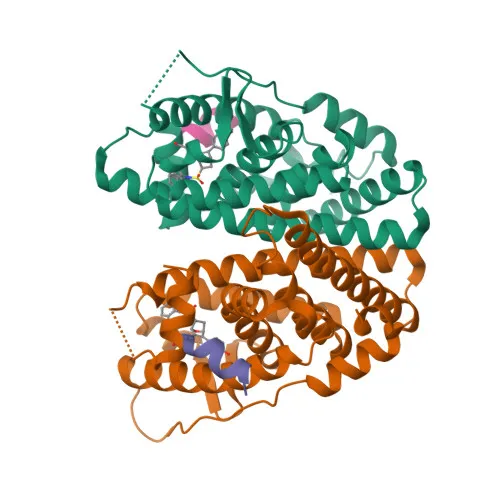
- Estrogen receptor alpha (ER-alpha, NR3A1) is a nuclear hormone receptor that mediates the biological effects of estrogens, regulating gene expression and cellular proliferation in target tissues.
- Ligand binding induces receptor dimerization and binding to estrogen response elements (EREs) on DNA, or interaction with other transcription factors (e.g., AP-1, Sp1) to modulate ERE-independent transcription.
- Phosphorylation at Serine 118 (S118) in the N-terminal AF-1 domain enhances ligand-independent transcriptional activity and coactivator recruitment.
- ER-alpha localizes to the nucleus, cytoplasm, cell membrane, and Golgi apparatus, supporting both genomic and rapid non-genomic signaling pathways.
- Widely expressed across tissues, but notably absent from the pituitary gland (PubMed:10970861). Related references: PMID:10970861
- Receptor isoforms lacking functional domains can act as dominant-negative regulators by competitive binding to ligands or DNA (PubMed:10970861). Related references: PMID:10970861
- Key post-translational modifications include phosphorylation, acetylation, ubiquitination, and sumoylation, influencing stability, localization, and activity.
Experimental Guidance and Technical Tips
- Because the immunogen is a synthetic phosphopeptide, verify specificity for the phosphorylated form; consider using a non-phosphorylated peptide control in competitive assays.
- For Western blotting, validate the detected band at ~66 kDa and include phosphatase inhibitor treatment to preserve phosphorylation signals.
- For immunofluorescence/immunocytochemistry (IF/ICC), optimize permeabilization and blocking conditions; note that ER-alpha can localize to multiple subcellular compartments, so include appropriate organelle markers.
- Reactivity has been confirmed in human samples; cross-reactivity with other species is not guaranteed—validate in your experimental system if using non-human samples.
- As a polyclonal antibody, lot-to-lot variability may occur; titrate and test each new lot in your assay.
CamelBio: Your One-Stop Sourcing Bridge
CamelBio provides a comprehensive sourcing solution for IVD raw materials, offering validated antibody pairs, recombinant proteins, and ancillary reagents to streamline assay development. For researchers focused on estrogen signaling and hormone receptor pathways, we supply optimized primary antibodies, including phospho-specific ER-alpha reagents, backed by a robust global supply network. Our procurement capabilities extend to bulk raw-material sourcing and rare target acquisition, helping transition your diagnostic projects from concept to clinic seamlessly.
REQUEST A QUOTE
Our professional team will reply to you within one business day. Please feel free to contact us!