Phosphorylated Antibodies
Anti-Phospho-DDR1 (Y792) Rabbit Polyclonal Antibody for WB, ELISA - Q08345
Item Number : CM0000869
Price varies based on specs and customizations
- Application
- WB, ELISA
- Cross Reactivity
- Human, Mouse, Rat
- Protein Weight
- 101 kDa

Shipping:
Contact us to get shipping details Enjoy On-time Dispatch Guarantee.
Why Choose Us
Easy ordering process, quality products, and dedicated support for your business success.
Core Product Specifications and Parameters
| Parameter | Value |
|---|---|
| Product Name | Phospho-DDR1-Y792 Rabbit pAb |
| Remarks/Alias | CAK, DDR, NEP, HGK2, PTK3, RTK6, TRKE, CD167, EDDR1, MCK10, NTRK4, PTK3A, Phospho-DDR1-Y792 |
| Species | Human |
| Gene ID (Human) | 780 |
| Gene ID | 780 |
| Immunogen | Synthetic phosphorylated peptide around Y792 of human DDR1 (NP_054699.2) |
| Source | Rabbit |
| Category | Phosphorylated Antibodies |
| Application | WB, ELISA |
| Cross Reactivity | Human, Mouse, Rat |
| SWISS | Q08345 |
| Protein Weight | 101 kDa |
| Shipping | Ice bag |
Biological Background: DDR1 Function and Localization
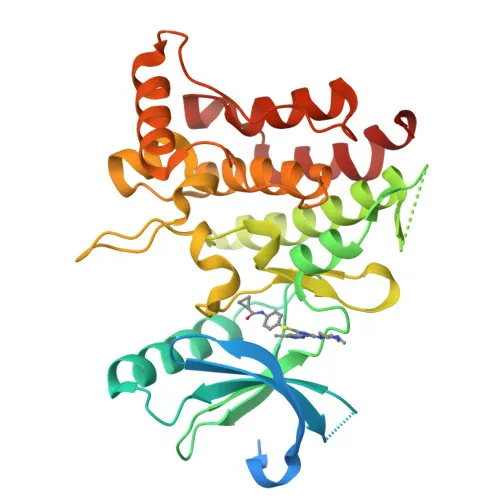
- DDR1, also known as CD167, CAK, or MCK-10, is a receptor tyrosine kinase that belongs to the discoidin domain receptor family.
- It functions as a cell surface receptor for fibrillar collagen, triggering intracellular signaling pathways involving SRC and MAP kinases upon ligand binding.
- DDR1 regulates extracellular matrix remodeling by up‑regulating matrix metalloproteinases MMP2, MMP7, and MMP9, thereby promoting cell migration and wound healing.
- The protein is essential for blastocyst implantation, mammary gland differentiation, and lactation, and contributes to arterial wound healing via smooth muscle cell migration.
- DDR1 is predominantly localized to the cell membrane, with evidence of a secreted form in some contexts.
- It is expressed at low levels in most adult tissues, with highest abundance in brain, lung, placenta, and kidney; it is also abundant in breast carcinoma cell lines and certain other cancer cells.
- Keywords: alternative splicing, ATP‑binding, calcium, disulfide bond, glycoprotein, kinase, metalloprotease activation, phosphoprotein, and receptor.
- The full‑length protein has a calculated molecular weight of 101 kDa and undergoes phosphorylation at tyrosine residues, including Y792, which plays a role in downstream signaling.
Experimental Guidance and Technical Tips
- The immunogen is a synthetic phosphorylated peptide surrounding Y792 of human DDR1; confirm phospho‑specificity by comparing signals with and without lambda protein phosphatase treatment.
- In Western blotting, a band near 101 kDa is expected; use freshly prepared lysates and phosphatase inhibitors to preserve phosphorylation.
- For ELISA, consider coating with the phosphorylated peptide and detecting with the antibody; include a non‑phosphorylated peptide control to assess specificity.
- To induce DDR1 phosphorylation in cell‑based assays, stimulate cells with collagen before lysis.
- Cross‑reactivity is reported for human, mouse, and rat; validate the antibody in the relevant species and tissue type, as expression levels can vary.
CamelBio: Your One-Stop Sourcing Bridge
CamelBio provides diagnostic manufacturers and research laboratories with streamlined access to high‑quality IVD raw materials, including validated antibody pairs, optimized monoclonal and polyclonal antibodies, and bulk ancillary reagents. For researchers focused on phospho‑DDR1 signaling in cancer, wound healing, or receptor tyrosine kinase pathways, we offer one‑stop sourcing of this rabbit polyclonal antibody and can assist with sourcing rare‑target reagents to accelerate your development from concept to clinic.
REQUEST A QUOTE
Our professional team will reply to you within one business day. Please feel free to contact us!