Phosphorylated Antibodies
Anti-Phospho-CDC37-S13 Rabbit Monoclonal Antibody for WB, ELISA - Q16543
Item Number : CM0001589
Price varies based on specs and customizations
- Application
- WB, ELISA
- Cross Reactivity
- Human, Mouse, Rat
- Protein Weight
- 44kDa

Shipping:
Contact us to get shipping details Enjoy On-time Dispatch Guarantee.
Why Choose Us
Easy ordering process, quality products, and dedicated support for your business success.
Core Product Specifications and Parameters
| Parameter | Value |
|---|---|
| Product Name | Phospho-CDC37-S13 Rabbit mAb |
| Remarks/Alias | P50CDC37; Phospho-CDC37-S13 |
| Species | Human |
| GeneID (Human) | 11140 |
| GeneID | 11140 |
| Immunogen | Synthetic Peptide |
| Source | Rabbit |
| Category | Phosphorylated Antibodies |
| Application | WB, ELISA |
| Cross Reactivity | Human, Mouse, Rat |
| SWISS | Q16543 |
| Protein Weight | 44kDa |
| Shipping | Ice bag |
Biological Background: CDC37 Function and Localization
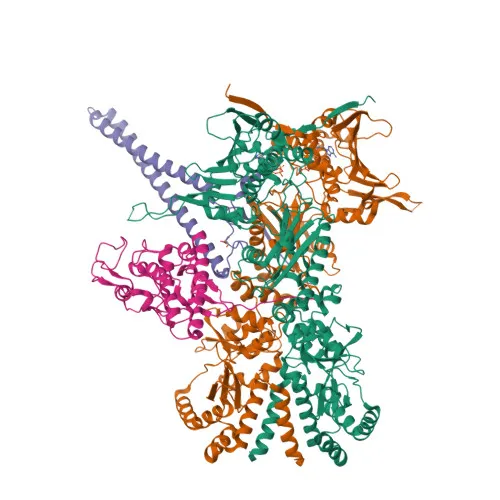
- CDC37 (p50Cdc37) is a conserved Hsp90 co-chaperone that directly binds and stabilizes a wide range of protein kinases, facilitating their folding and activation by the Hsp90 complex. Related references: PMID:8666233
- By presenting client kinases to Hsp90, CDC37 prevents their ubiquitination and proteasomal degradation, thereby maintaining cellular signaling homeostasis.
- CDC37 also modulates the Hsp90 chaperone cycle by inhibiting HSP90AA1 ATPase activity, which fine-tunes client protein processing. Related references: PMID:23569206
- This co-chaperone is predominantly localized in the cytoplasm, where the majority of its client kinase interactions occur.
- Phosphorylation at Ser13 is a critical regulatory event that influences CDC37's affinity for kinases and Hsp90, thereby controlling its co-chaperone activity.
- Additional post-translational modifications include acetylation and ubiquitin-like conjugation, underscoring a complex regulatory network that governs CDC37 function in health and disease.
Experimental Guidance and Technical Tips
- The immunogen is a synthetic phosphorylated peptide spanning Ser13; consider using phosphatase inhibitors in lysis buffers to maintain phosphorylation during sample preparation.
- For Western blot, select positive control cell lines or tissues with known CDC37 phosphorylation, and verify band specificity near 44 kDa.
- Cross-reactivity with mouse and rat enables translational studies; however, confirm antibody performance in each species as epitope conservation may vary.
- For ELISA, optimize coating antigen concentration and detection conditions using a suitable anti-rabbit secondary antibody.
CamelBio: Your One-Stop Sourcing Bridge
CamelBio streamlines the procurement of IVD raw materials for diagnostic manufacturers and research labs, offering validated antibody pairs, optimized monoclonal and polyclonal antibodies, and bulk ancillary reagents. For kinase biology and cancer research, our sourcing services cover critical targets like phospho-CDC37, ensuring reliable access to specialized reagents from early development to clinical application. Whether you need routine supplies or rare-target support, CamelBio serves as your trusted single point of contact from concept to clinic.
REQUEST A QUOTE
Our professional team will reply to you within one business day. Please feel free to contact us!