Phosphorylated Antibodies
Anti-Phospho-c-Myc (T58) Rabbit Polyclonal Antibody for WB, IHC-P, ELISA - P01106
Item Number : CM0001544
Price varies based on specs and customizations
- Application
- WB, IHC-P, ELISA
- Cross Reactivity
- Human, Mouse, Rat
- Protein Weight
- 51kDa

Shipping:
Contact us to get shipping details Enjoy On-time Dispatch Guarantee.
Why Choose Us
Easy ordering process, quality products, and dedicated support for your business success.
Core Product Specifications and Parameters
| Parameter | Specification |
|---|---|
| Product Name | Phospho-c-Myc-T58 Rabbit pAb |
| Remarks/Alias | MRTL; MYCC; c-Myc; bHLHe39; Phospho-c-Myc-T58 |
| Species | Human |
| Gene ID (Human) | 4609 |
| Gene ID | 4609 |
| Immunogen | A synthetic phosphorylated peptide around T58 of mouse MYC (NP_001170823.1) |
| Source | Rabbit |
| Category | Phosphorylated Antibodies |
| Application | WB, IHC-P, ELISA |
| Cross Reactivity | Human, Mouse, Rat |
| SWISS | P01106 |
| Protein Weight | 51kDa |
| Shipping | Ice bag |
Biological Background: Myc proto-oncogene protein Function and Localization
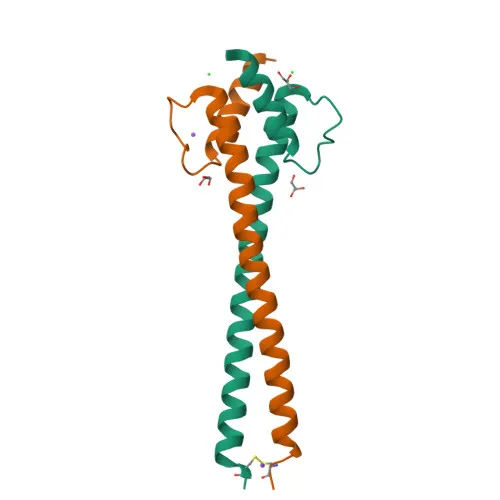
- Myc proto-oncogene protein, also known as c-Myc, is a member of the basic helix-loop-helix leucine zipper (bHLHZip) family of transcription factors. It is encoded by the MYC gene (Gene ID: 4609) and plays a central role in cell cycle progression, apoptosis, and cellular transformation.
- c-Myc binds DNA in a sequence-specific manner, recognizing the E-box consensus sequence 5'-CAC[GA]TG-3', and activates the transcription of numerous growth-related genes. Related references: PMID:24940000 PMID:25956029
- It directly binds to the VEGFA promoter and promotes VEGFA production, thereby stimulating sprouting angiogenesis. Related references: PMID:24940000 PMID:25956029
- c-Myc functions as a regulator of somatic cell reprogramming and controls the self-renewal capacity of embryonic stem cells.
- Together with the transcription initiation factor TAF6L, c-Myc activates target gene expression by promoting the release of paused RNA polymerase II.
- c-Myc positively regulates the transcription of HNRNPA1, HNRNPA2, and PTBP1, which in turn modulate the alternative splicing of pyruvate kinase PKM, favoring the production of the PKM2 isoform. Related references: PMID:20010808
- Subcellular localization includes the nucleus (nucleoplasm, nucleolus), cytoplasm, and chromosomes, reflecting its dynamic roles in transcription and genome organization.
- c-Myc undergoes extensive post-translational modifications, including phosphorylation (notably at T58), acetylation, ubiquitination, and O-linked glycosylation, which tightly regulate its stability, protein interactions, and transcriptional activity.
Experimental Guidance and Technical Tips
- Since this antibody specifically recognizes the phosphorylated T58 residue, include phosphatase inhibitors in your lysis buffer and during sample preparation to preserve the phospho-signal.
- For Western blotting, the predicted molecular weight is 51 kDa, but you may observe bands at higher apparent molecular weights (57–65 kDa) due to post-translational modifications; always run a molecular weight marker.
- Confirm antibody specificity by treating samples with lambda protein phosphatase or by peptide competition with the non-phosphorylated immunogen if available.
- For immunohistochemistry (IHC-P), optimize antigen retrieval conditions and primary antibody dilution; a suggested starting dilution for immunohistochemistry is 1:50–1:200, but this must be validated in your own system.
- This antibody has been reported to react with human, mouse, and rat samples; when working with other species, test cross-reactivity empirically.
CamelBio: Your One-Stop Sourcing Bridge
CamelBio provides diagnostic manufacturers, laboratories, and research institutes with a single point of access to a wide range of IVD raw materials, supporting every stage from concept to clinical application. Our phospho-c-Myc (T58) antibody is part of a growing portfolio of oncology-related reagents, and we can also supply validated antibody pairs, optimized monoclonal/polyclonal antibodies, and bulk ancillary reagents to streamline your assay development. For custom sourcing, scale-up, or technical consultation on rare or custom targets, contact CamelBio to accelerate your project while maintaining quality and traceability.
Product Datasheet
Anti-Phospho-c-Myc (T58) Rabbit Polyclonal Antibody for WB, IHC-P, ELISA - P01106
REQUEST A QUOTE
Our professional team will reply to you within one business day. Please feel free to contact us!