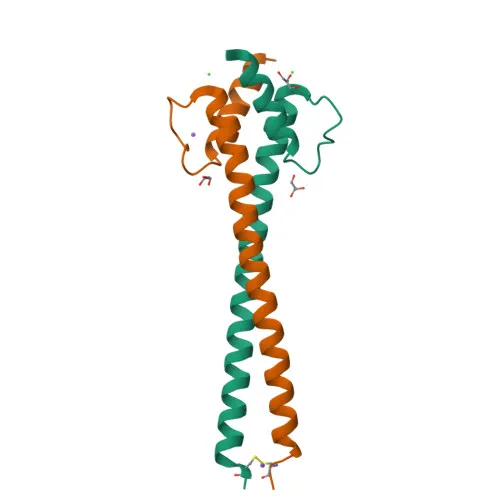
Phosphorylated Antibodies
Anti-Phospho-c-Myc (T358) Polyclonal Antibody for WB, ELISA - P01106
Item Number : CM0001406
Price varies based on specs and customizations
- Application
- WB, ELISA
- Cross Reactivity
- Human
- Protein Weight
- 51kDa

Shipping:
Contact us to get shipping details Enjoy On-time Dispatch Guarantee.
Why Choose Us
Easy ordering process, quality products, and dedicated support for your business success.
Core Product Specifications and Parameters
| Parameter | Value |
|---|---|
| Product Name | Phospho-c-Myc-T358 Rabbit pAb |
| Remarks/Alias | MRTL; MYCC; c-Myc; bHLHe39; Phospho-c-Myc-T358 |
| Species | Human |
| GeneID (Human) | 4609 |
| GeneID | 4609 |
| Immunogen | Synthetic peptide: A phospho specific peptide corresponding to residues surrounding T358 of human c-Myc |
| Source | Rabbit |
| Category | Phosphorylated Antibodies |
| Application | WB, ELISA |
| Cross Reactivity | Human |
| SWISS | P01106 |
| Protein Weight | 51kDa |
| Shipping | Ice bag |
Biological Background: c-Myc Function and Localization
- The c-Myc proto-oncogene protein (also known as MRTL, MYCC, bHLHe39) is a transcription factor that plays central roles in cell proliferation, growth, and apoptosis (PubMed:24940000, PubMed:25956029). Related references: PMID:24940000, PMID:25956029
- It binds both non-specifically and specifically to E-box motifs (5'-CAC[GA]TG-3') in promoters, activating growth-related genes and VEGFA to promote angiogenesis (PubMed:24940000, PubMed:25956029).
- Regulates somatic reprogramming and maintains self-renewal in embryonic stem cells (By similarity).
- Functions with TAF6L to release paused RNA polymerase II and positively regulates splicing factors HNRNPA1, HNRNPA2, and PTBP1, thereby modulating PKM alternative splicing to favor the M2 isoform (PubMed:20010808). Related references: PMID:20010808
- Localizes predominantly to the nucleus (nucleoplasm and nucleolus), but also appears in the cytoplasm and associates with chromosomes.
- Post-translationally modified by acetylation, ubiquitination, and phosphorylation. Phosphorylation at Thr358 (the epitope of this antibody) is one of many regulatory events influencing c-Myc stability and activity.
Experimental Guidance and Technical Tips
- For Western blotting, the predicted molecular weight is 51 kDa; however, due to extensive post-translational modifications, bands may appear at different sizes. Validate the antibody with appropriate positive and negative controls in your cell system.
- In ELISA, use the phospho-specific peptide for coating or competition to confirm specificity for the T358 phosphorylated form. Non-phosphorylated peptide may be employed as a negative control.
- Optimize primary antibody concentration for each application; starting points for WB are often between 1:500 and 1:2000, but empirical determination is recommended.
- Keep the antibody on ice during handling and avoid repeated freeze-thaw cycles to maintain activity.
CamelBio: Your One-Stop Sourcing Bridge
CamelBio supplies this high-quality anti-phospho-c-Myc (T358) polyclonal antibody as part of our extensive IVD raw-material portfolio. We empower diagnostic manufacturers and researchers with reliable reagents for oncogene and signal transduction studies, including validated antibody pairs, bulk monoclonal/polyclonal antibodies, and ancillary reagents. Partner with us for tailored sourcing solutions that accelerate your assay development from concept to clinic.
REQUEST A QUOTE
Our professional team will reply to you within one business day. Please feel free to contact us!