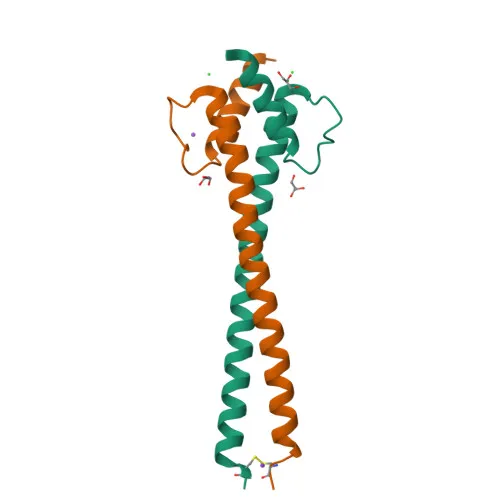
Phosphorylated Antibodies
Anti-Phospho-c-Myc-S373 Rabbit Polyclonal Antibody for WB - P01106
Item Number : CM0001565
Price varies based on specs and customizations
- Application
- WB
- Cross Reactivity
- Human
- Protein Weight
- 51kDa

Shipping:
Contact us to get shipping details Enjoy On-time Dispatch Guarantee.
Why Choose Us
Easy ordering process, quality products, and dedicated support for your business success.
Core Product Specifications and Parameters
| Parameter | Value |
|---|---|
| Product Name | Phospho-c-Myc-S373 Rabbit pAb |
| Remarks/Alias | MRTL; MYCC; c-Myc; bHLHe39; Phospho-c-Myc-S373 |
| Species | Human |
| Gene ID (Human) | 4609 |
| Gene ID | 4609 |
| Immunogen | A phospho specific peptide corresponding to residues surrounding S373 of human c-Myc |
| Source | Rabbit |
| Category | Phosphorylated Antibodies |
| Application | WB |
| Cross Reactivity | Human |
| SWISS | P01106 |
| Protein Weight | 51kDa |
| Shipping | Ice bag |
Biological Background: c-Myc Function and Localization
- c-Myc (MYC proto-oncogene protein), also known as bHLHe39 or transcription factor p64, is a member of the basic helix-loop-helix (bHLH) transcription factor family.
- It functions as a transcription factor that specifically recognizes E-box sequences (5'-CAC[GA]TG-3') and activates the expression of genes involved in cell growth, proliferation, and angiogenesis via VEGFA promoter binding. Related references: PMID:24940000 PMID:25956029
- c-Myc also regulates alternative splicing: it activates transcription of HNRNPA1, HNRNPA2, and PTBP1, which repress exon 9 inclusion in PKM pre-mRNA, favoring the PKM2 isoform production. Related references: PMID:20010808
- Subcellularly, c-Myc is predominantly found in the nucleus (nucleoplasm and nucleolus) but can also localize to the cytoplasm and associate with chromosomes.
- c-Myc is subject to multiple post-translational modifications, including phosphorylation, acetylation, and ubiquitination, which regulate its stability, activity, and degradation.
Experimental Guidance and Technical Tips
- This antibody was generated against a phospho-specific peptide surrounding Ser373 of human c-Myc. Verify phospho-specificity using phosphatase-treated samples or non-phosphopeptide competition in your experimental system.
- For Western blot analysis, optimal working dilutions should be determined empirically. Consider starting with a standard range (e.g., 1:500–1:2000) and adjust based on signal-to-noise ratio.
- To preserve phosphorylation signals, use lysis buffers supplemented with phosphatase inhibitors and avoid prolonged sample processing at room temperature.
- A band corresponding to the predicted molecular weight (~51 kDa) may be detected, but post-translational modifications or splice variants could give rise to additional bands.
CamelBio: Your One-Stop Sourcing Bridge
CamelBio is your integrated partner for IVD raw materials, offering validated antibody pairs, optimized monoclonals and polyclonals, bulk ancillary reagents, and rare-target sourcing to accelerate diagnostic development. This anti-phospho-c-Myc-S373 antibody extends our portfolio for oncology and transcription research, and we can assist in scaling your procurement from initial R&D to full commercial production. Reach out to explore how we can streamline your c-Myc-related assay development with one-stop service and supply.
REQUEST A QUOTE
Our professional team will reply to you within one business day. Please feel free to contact us!