Phosphorylated Antibodies
Anti-Phospho-BTK (Tyr223) Rabbit Monoclonal Antibody for WB and ELISA - Q06187
Item Number : CM0001764
Price varies based on specs and customizations
- Application
- WB, ELISA
- Cross Reactivity
- Human
- Protein Weight
- 76kDa

Shipping:
Contact us to get shipping details Enjoy On-time Dispatch Guarantee.
Why Choose Us
Easy ordering process, quality products, and dedicated support for your business success.
Core Product Specifications and Parameters
| Parameter | Value |
|---|---|
| Product Name | Phospho-BTK-Y223 Rabbit mAb |
| Remarks/Alias | AT; ATK; BPK; XLA; IMD1; AGMX1; IGHD3; PSCTK1; Phospho-BTK-Y223 |
| Species | Human |
| GeneID (Human) | 695 |
| GeneID | 695 |
| Immunogen | A synthetic phosphorylated peptide around Y223 of human BTK (Q06187) |
| Source | Rabbit |
| Category | Phosphorylated Antibodies |
| Application | WB, ELISA |
| Cross Reactivity | Human |
| SWISS | Q06187 |
| Protein Weight | 76kDa |
| Shipping | Ice bag |
Biological Background: BTK Function and Localization
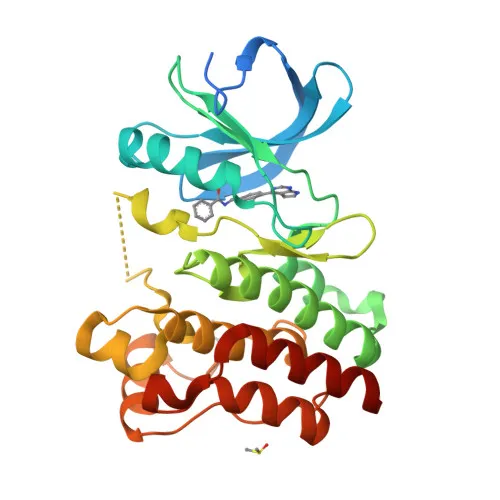
- Tyrosine-protein kinase BTK (Bruton tyrosine kinase) is a non-receptor tyrosine kinase essential for B-cell development, differentiation, and antigen receptor (BCR) signaling. It phosphorylates PLCG2 in cooperation with BLNK, triggering calcium mobilization and downstream PKC activation. Related references: PMID:19290921 PMID:11606584
- BTK acts as a signaling platform in cytokine receptor pathways and is a key component of the Toll-like receptor (TLR) pathway. It critically regulates TLR9 activation in splenic B-cells and induces TIRAP phosphorylation and degradation. Related references: PMID:16517732 PMID:17932028 PMID:16415872
- BTK regulates transcription by activating NF-kappa-B, linking TLR8/9 to NF-kappa-B, and directly phosphorylating transcription factors such as GTF2I and ARID3A to modulate gene expression. Related references: PMID:19290921 PMID:9012831 PMID:16738337
- BTK has a dual role in apoptosis and activates the NLRP3 inflammasome by phosphorylating NLRP3. Related references: PMID:9751072 PMID:34554188
- BTK contributes to STING1-mediated type I interferon responses by phosphorylating DDX41. Related references: PMID:25704810
- Subcellularly, BTK localizes to the cytoplasm, cell membrane, nucleus, and membrane rafts.
- Predominantly expressed in B-lymphocytes.
- Associated with keywords such as acetylation, alternative promoter usage, disease variant (X-linked agammaglobulinemia), SH2/SH3 domains, and zinc-finger, reflecting its diverse regulatory roles.
Experimental Guidance and Technical Tips
- Designed against a phosphorylated peptide around Tyr223, this antibody is phosphorylation-site specific. Validate phospho‑specificity by treating samples with phosphatase or using non‑phospho‑specific controls.
- For Western blotting, consider including phosphatase inhibitors during lysis and using BSA‑based blocking buffers to reduce non‑specific binding of phospho‑antibodies.
- Validate antibody performance in your target sample system, as cross‑reactivity is reported for human samples. Titrate the antibody for optimal signal in your ELISA setup.
- As a rabbit monoclonal antibody, expect consistent lot‑to‑lot reproducibility and high affinity, suitable for quantitative assays.
CamelBio: Your One-Stop Sourcing Bridge
CamelBio offers a comprehensive portfolio of IVD raw materials, including this phospho‑specific BTK antibody, to support diagnostic and research laboratories. We provide validated antibody pairs, optimized monoclonal/polyclonal antibodies, bulk ancillary reagents, and rare‑target sourcing capabilities. Partner with CamelBio to accelerate your B‑cell signaling and immune function assay development with reliable supply solutions.
REQUEST A QUOTE
Our professional team will reply to you within one business day. Please feel free to contact us!