Phosphorylated Antibodies
Anti-Phospho-BCAR1 (Y410) Polyclonal Antibody for WB - P56945
Item Number : CM0001193
Price varies based on specs and customizations
- Application
- WB, ELISA
- Cross Reactivity
- Human, Mouse
- Protein Weight
- 93kDa

Shipping:
Contact us to get shipping details Enjoy On-time Dispatch Guarantee.
Why Choose Us
Easy ordering process, quality products, and dedicated support for your business success.
Core Product Specifications and Parameters
| Parameter | Specification |
|---|---|
| Product Name | Phospho-BCAR1-Y410 Rabbit pAb |
| Remarks/Alias | CAS; CAS1; CASS1; CRKAS; P130Cas; Phospho-BCAR1-Y410 |
| Species | Human |
| GeneID (Human) | 9564 |
| GeneID | 9564 |
| Immunogen | Synthetic Peptide | A synthetic phosphorylated peptide around Y410 of human BCAR1 (NP_055382.2?). |
| Source | Rabbit |
| Category | Phosphorylated Antibodies |
| Application | WB, ELISA |
| Cross Reactivity | Human, Mouse |
| SWISS | P56945 |
| Protein Weight | 93kDa |
| Shipping | Ice bag |
Biological Background: BCAR1 (Breast cancer anti-estrogen resistance protein 1) Function and Localization
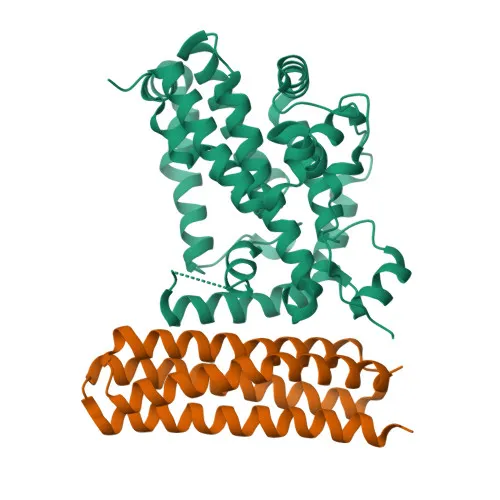
- BCAR1, also known as p130cas or CRK-associated substrate, is a docking protein encoded by the BCAR1 gene (also referred to as CAS, CASS1, CRKAS) in humans. It belongs to the Cas family of scaffolding proteins.
- Acts as a central coordinator for tyrosine kinase-based signaling linked to cell adhesion, mediating interactions with multiple partners to regulate focal adhesion dynamics.
Related references:
PMID:12432078 PMID:12832404 - Plays a role in promoting cell migration and branching morphogenesis, essential for processes such as embryonic development and cancer cell metastasis.
Related references:
PMID:12432078 PMID:12832404 PMID:17038317 - Participates in BCAR3-mediated inhibition of TGF-beta signaling, linking adhesion signals to growth factor pathways (By similarity).
- Localizes to focal adhesions at cell junctions, the cytoplasm, and extends into cell projections such as axons, consistent with its role in adhesion and motility.
- Widely expressed, with highest levels in testis; also detected in B-cells at protein level. Lower expression in liver, thymus, and peripheral blood leukocytes.
- Annotated as a phosphoprotein with an SH3 domain and an SH3-binding motif, enabling dynamic regulation by phosphorylation and interaction with adaptor proteins.
Experimental Guidance and Technical Tips
- This antibody was raised against a synthetic phosphopeptide around tyrosine 410. To confirm phosphorylation specificity, consider pre‑incubating the antibody with the non‑phosphorylated peptide or treating cell lysates with lambda phosphatase.
- For Western blot, optimize the blocking buffer and primary antibody dilution to minimize background. A band at ~93 kDa should be detected; additional bands may appear due to BCAR1 isoforms or post‑translational modifications.
- In ELISA, use the phosphorylated peptide as a positive control and the non‑phosphorylated peptide to assess specificity.
- Validate the antibody in your specific cell or tissue system, as phosphorylation levels of BCAR1‑Y410 may vary with stimulation conditions (e.g., integrin‑mediated adhesion).
CamelBio: Your One-Stop Sourcing Bridge
CamelBio serves as a comprehensive sourcing partner for IVD raw materials, offering validated antibody pairs, bulk ancillary reagents, and rare‑target raw‑material procurement. Our portfolio includes phospho‑specific antibodies like this anti‑BCAR1‑Y410, supporting research into cell adhesion and cancer resistance signaling. Whether you require customized monoclonal antibodies or dependable polyclonal reagents, CamelBio bridges the gap from discovery to diagnostic development.
REQUEST A QUOTE
Our professional team will reply to you within one business day. Please feel free to contact us!