Phosphorylated Antibodies
Anti-Phospho-AURKA-T288/AURKB-T232/AURKC-T198 Rabbit Polyclonal Antibody for WB, ELISA - O14965 / Q96GD4 / Q9UQB9
Item Number : CM0000808
Price varies based on specs and customizations
- Application
- WB, ELISA
- Cross Reactivity
- Human, Rat

Shipping:
Contact us to get shipping details Enjoy On-time Dispatch Guarantee.
Why Choose Us
Easy ordering process, quality products, and dedicated support for your business success.
Core Product Specifications and Parameters
| Parameter | Value |
|---|---|
| Product Name | Phospho-AURKA-T288/AURKB-T232/AURKC-T198 Rabbit pAb |
| Remarks/Alias | AURKA/AURKB/AURKC; Phospho-AURKA-T288/AURKB-T232/AURKC-T198 |
| Species | Human |
| GeneID (Human) | 6790/9212/6795 |
| GeneID | 6790/9212/6795 |
| Immunogen | Synthetic phosphorylated peptide around T288 of human AURKA (NP_003591.2) |
| Source | Rabbit |
| Category | Phosphorylated Antibodies |
| Application | WB, ELISA |
| Cross Reactivity | Human, Rat |
| SWISS | O14965/Q96GD4/Q9UQB9 |
| Shipping | Ice bag |
Biological Background: Aurora Kinase A (AURKA), Aurora Kinase B (AURKB), and Aurora Kinase C (AURKC) Function and Localization
- AURKA is a mitotic serine/threonine kinase that regulates multiple stages of cell division, including centrosome maturation, spindle assembly, and cytokinesis. Related references: PMID:11039908, PMID:12390251, PMID:17125279, PMID:14523000, PMID:26246606
- It phosphorylates numerous targets such as BRCA1, PLK1, and p53/TP53, linking mitotic regulation to the DNA damage response and oncogenic checkpoints. Related references: PMID:14702041, PMID:15128871
- AURKA localizes to the centrosome, spindle poles, and basal body of cilia; it also transiently associates with the cell cortex during metaphase. Related references: PMID:27335426
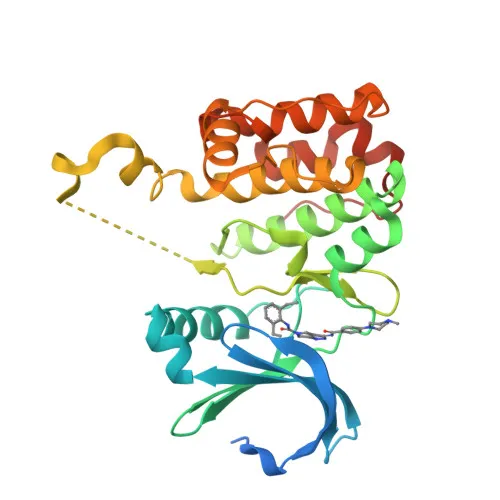
- The kinase activity of AURKA is controlled by autophosphorylation at Thr288 (T288) within its activation loop, a mechanism conserved in AURKB (T232) and AURKC (T198). Related references: PMID:11551964
- AURKA is highly expressed in testis and several cancer cell lines, consistent with its roles in proliferation and oncogenic transformation.
- AURKA regulates microtubule dynamics by phosphorylating KIF2A and HDAC6, and is required for cilia disassembly. Related references: PMID:19351716, PMID:17604723, PMID:20643351
- The protein belongs to the aurora kinase subfamily and contains conserved catalytic domains with ATP-binding and serine/threonine-protein kinase motifs.
- Additional post-translational modifications include isopeptide bond formation and ubiquitin conjugation, which may regulate its degradation.
Experimental Guidance and Technical Tips
- Use the antibody in Western blotting (WB) after confirming phosphorylation conditions; consider treating cells with phosphatase inhibitors during lysis.
- For ELISA, validate the phospho-peptide specificity by comparing signals against non-phosphorylated peptide controls.
- Since the antibody cross-reacts with human and rat, validate species-specific band patterns using appropriate cell lysates.
- Given the high sequence homology around the activation loop, the antibody may detect phosphorylated AURKB and AURKC; confirm specificity via knockdown or isoform-specific inhibitors.
CamelBio: Your One-Stop Sourcing Bridge
CamelBio supports diagnostic manufacturers and research labs by offering a comprehensive range of IVD raw materials including validated antibody pairs, optimized monoclonal and polyclonal antibodies, and bulk ancillary reagents. This phospho-specific aurora kinase antibody is part of our portfolio targeting cell cycle and oncology research, and our team can assist with sourcing rare target raw materials or custom antibody development. Partner with CamelBio for efficient, end-to-end material supply from concept to clinic.
REQUEST A QUOTE
Our professional team will reply to you within one business day. Please feel free to contact us!