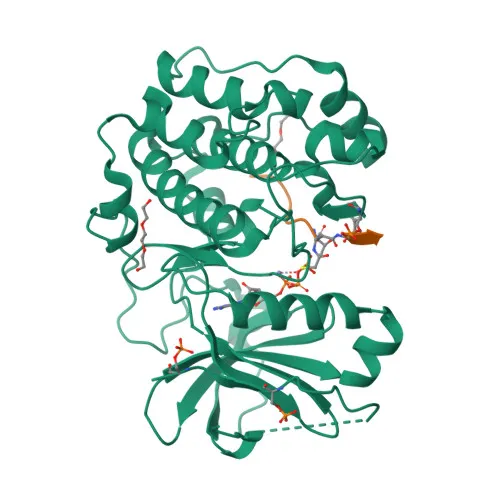
Phosphorylated Antibodies
Anti-Phospho-AKT1-S473 Monoclonal Antibody for WB, IHC-P, ELISA - P31749
Item Number : CM0001091
Price varies based on specs and customizations
- Application
- WB, IHC-P, ELISA
- Cross Reactivity
- Human, Mouse, Rat
- Protein Weight
- 56kDa

Shipping:
Contact us to get shipping details Enjoy On-time Dispatch Guarantee.
Why Choose Us
Easy ordering process, quality products, and dedicated support for your business success.
Core Product Specifications and Parameters
| Parameter | Value |
|---|---|
| Product Name | Phospho-AKT-S473 Rabbit mAb |
| Remarks/Alias | AKT; PKB; RAC; PRKBA; PKB-ALPHA; RAC-ALPHA; Phospho-AKT1-S473 |
| Species | Human |
| GeneID (Human) | 207 |
| GeneID | 207 |
| Immunogen | A synthetic phosphorylated peptide around S473 of human Akt1 (P31749) |
| Source | Rabbit |
| Category | Phosphorylated Antibodies |
| Application | WB, IHC-P, ELISA |
| Cross Reactivity | Human, Mouse, Rat |
| SWISS | P31749 |
| Protein Weight | 56kDa |
| Shipping | Ice bag |
Biological Background: RAC-alpha serine/threonine-protein kinase (AKT1) Function and Localization
- AKT1 is a serine/threonine-protein kinase that regulates metabolism, proliferation, cell survival, growth, and angiogenesis through phosphorylation of downstream substrates. Related references: PMID:11882383, PMID:15526160, PMID:15861136
- It phosphorylates TBC1D4 to promote insulin-stimulated glucose transport. Related references: PMID:11994271
- Through phosphorylation of TSC2, AKT1 activates the mTORC1 signaling pathway, enhancing protein synthesis. Related references: PMID:12150915, PMID:12172553
- AKT1 promotes cell survival by phosphorylating MAP3K5/ASK1 at Ser-83 to inhibit oxidative stress-induced apoptosis. Related references: PMID:11154276
- It phosphorylates FOXO transcription factors (FOXO1, FOXO3, FOXO4) to exclude them from the nucleus, suppressing pro-apoptotic gene expression. Related references: PMID:10358075
- Subcellular localization includes cytoplasm, nucleus, cell membrane, and mitochondrial intermembrane space, reflecting its diverse signaling roles.
- AKT1 is expressed in all human cell types, with elevated levels in prostate and breast cancers, and the phospho-Ser473 form is linked to cancer progression.
- Key post-translational modifications include phosphorylation at Ser473 and Thr308 for full activation, as well as acetylation and glycosylation.
Experimental Guidance and Technical Tips
- This antibody was raised against a synthetic phosphopeptide around Ser473 of human Akt1. The immunogen design targets the activated form of Akt1; non-phosphorylated Akt1 may not be detected.
- For Western blot (WB), consider using phosphatase inhibitors during sample preparation to preserve phosphorylation states. The predicted molecular weight is 56 kDa (P31749).
- For immunohistochemistry (IHC-P), antigen retrieval conditions and tissue fixation may influence phospho-epitope detection; validate in known positive control tissues (e.g., cancer specimens).
- For ELISA, ensure the coating conditions preserve the phospho-epitope; the antibody may be used in combination with a total Akt1 detection antibody for phospho/total ratio analysis.
- Cross-reactivity with mouse and rat Akt1 is expected based on sequence homology; differences in phospho-site accessibility may require species-specific validation.
CamelBio: Your One-Stop Sourcing Bridge
CamelBio offers diagnostic manufacturers and research labs a streamlined sourcing solution for IVD raw materials, including validated antibody pairs, optimized monoclonal and polyclonal antibodies, and bulk ancillary reagents. Our portfolio covers key signaling targets like phospho-AKT1 (S473) for oncology and metabolism research applications. From concept to clinic, CamelBio provides the supply chain reliability and technical support to accelerate your assay development.
Product Datasheet
Anti-Phospho-AKT1-S473 Monoclonal Antibody for WB, IHC-P, ELISA - P31749
REQUEST A QUOTE
Our professional team will reply to you within one business day. Please feel free to contact us!