Polyclonal Antibodies
Anti-PHIP Polyclonal Antibody for WB, IHC-P, IF/ICC, ELISA - Q8WWQ0
Item Number : CM0024788
Price varies based on specs and customizations
- Application
- WB, IHC-P, IF/ICC, ELISA
- Cross Reactivity
- Human, Mouse
- Protein Weight
- 207kDa

Shipping:
Contact us to get shipping details Enjoy On-time Dispatch Guarantee.
Why Choose Us
Easy ordering process, quality products, and dedicated support for your business success.
Core Product Specifications and Parameters
| Parameter | Value |
|---|---|
| Product Name | PHIP Rabbit pAb |
| Remarks/Alias | ndrp; BRWD2; DIDOD; WDR11; DCAF14; CHUJANS; PHIP |
| Species | Human |
| GeneID (Human) | 55023 |
| GeneID | 55023 |
| Immunogen | Recombinant fusion protein containing a sequence corresponding to amino acids 1542-1821 of human PHIP (NP_060404.3) |
| Source | Rabbit |
| Category | Polyclonal Antibodies |
| Application | WB, IHC-P, IF/ICC, ELISA |
| Cross Reactivity | Human, Mouse |
| SWISS | Q8WWQ0 |
| Protein Weight | 207kDa |
| Shipping | Ice bag |
Biological Background: PHIP Function and Localization
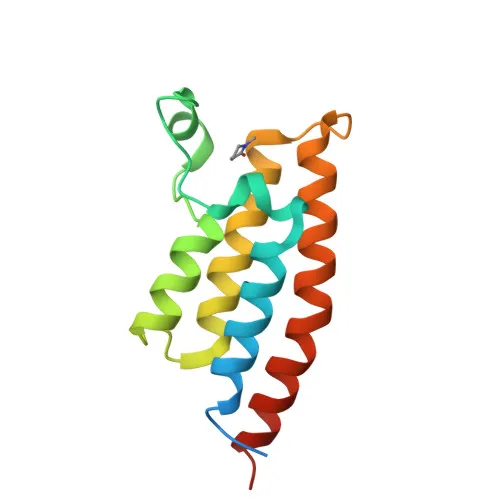
- PHIP (PH-interacting protein), also known as DCAF14 or WDR11, is a bromodomain-containing WD repeat protein encoded by the PHIP gene.
- It functions as a probable regulator of insulin and insulin-like growth factor (IGF) signaling pathways.
- PHIP stimulates cell proliferation through regulation of cyclin transcription and exerts anti-apoptotic effects via AKT1 phosphorylation and activation.
- The protein plays a role in the regulation of cell morphology and cytoskeletal organization.
- PHIP is predominantly localized in the nucleus, consistent with its roles in transcription and chromatin interaction.
- It is expressed in myeloma and epidermoid carcinoma cell lines and undergoes post-translational modifications including acetylation, phosphorylation, and ubiquitination.
- Disease variants in PHIP are associated with intellectual disability and neurodevelopmental disorders.
Experimental Guidance and Technical Tips
- The immunogen corresponds to the C-terminal region (amino acids 1542-1821) of human PHIP, ensuring reactivity with the full-length endogenous protein.
- For Western blotting, note the large predicted molecular weight of ~207 kDa; use a low-percentage polyacrylamide gel (e.g., 6-8%) and consider prolonged transfer times for optimal transfer.
- In immunohistochemistry (IHC-P) and immunofluorescence (IF/ICC), nuclear localization can be observed; validate in positive cell lines such as myeloma or epidermoid carcinoma cells and optimize antigen retrieval and permeabilization conditions.
- The recombinant immunogen can be utilized as a positive control in ELISA and other immunoassay formats.
- Cross-reactivity with mouse enables testing in mouse model systems; potential species-specific epitope differences should be assessed.
CamelBio: Your One-Stop Sourcing Bridge
CamelBio supports diagnostic manufacturers and research laboratories with a comprehensive portfolio of IVD raw materials. For targets like PHIP, which is implicated in insulin signaling and cancer research, we offer validated polyclonal and monoclonal antibodies, recombinant proteins, and ancillary reagents. Our supply chain expertise ensures consistent lot-to-lot performance to facilitate assay development and clinical translation.
REQUEST A QUOTE
Our professional team will reply to you within one business day. Please feel free to contact us!