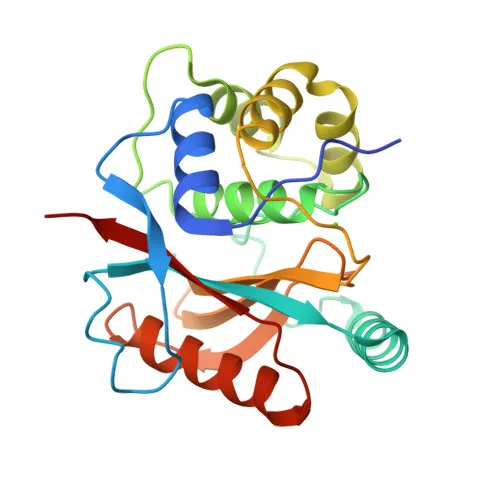
Polyclonal Antibodies
Anti-PGP9.5/UCHL1 Polyclonal Antibody for WB, ELISA - P09936
Item Number : CM0018096
Price varies based on specs and customizations
- Application
- WB, ELISA
- Cross Reactivity
- Human, Mouse
- Protein Weight
- 25kDa

Shipping:
Contact us to get shipping details Enjoy On-time Dispatch Guarantee.
Why Choose Us
Easy ordering process, quality products, and dedicated support for your business success.
Core Product Specifications and Parameters
| Parameter | Value |
|---|---|
| Product Name | PGP9.5/UCHL1 Rabbit pAb |
| Remarks/Alias | NDGOA; PARK5; PGP95; SPG79; PGP9.5; SPG79A; UCHL-1; Uch-L1; HEL-117; PGP 9.5; HEL-S-53; PGP9.5/UCHL1 |
| Species | Human |
| GeneID (Human) | 7345 |
| GeneID | 7345 |
| Immunogen | Recombinant protein |
| Source | Rabbit |
| Category | Polyclonal Antibodies |
| Application | WB, ELISA |
| Cross Reactivity | Human, Mouse |
| SWISS | P09936 |
| Protein Weight | 25kDa |
| Shipping | Ice bag |
Biological Background: PGP9.5/UCHL1 Function and Localization
-
PGP9.5/UCHL1, also known as neuron cytoplasmic protein 9.5 or ubiquitin thioesterase L1, is a member of the ubiquitin carboxyl-terminal hydrolase family, functioning as a deubiquitinase essential for maintaining the ubiquitin-proteasome system.
-
It specifically recognizes and hydrolyzes the C-terminal glycine of ubiquitin, thereby preserving a stable pool of free monoubiquitin that is critical for both ubiquitin-proteasome and autophagy-lysosome degradation pathways.
Related references: PMID:12408865 PMID:8639624 PMID:9774100 -
UCHL1 participates in diverse physiological processes including the maintenance of synaptic function, cardiac function, regulation of inflammatory responses, and osteoclastogenesis.
Related references: PMID:22212137 PMID:23359680 -
The enzyme deubiquitinates and stabilizes multiple substrate proteins such as WWTR1/TAZ, EGFR, HIF1A, and BACE1, thereby modulating signaling pathways involved in cell growth, hypoxia response, and neurodegeneration.
Related references: PMID:22212137 PMID:25615526 -
Through its action on BACE1, UCHL1 promotes the degradation of beta-site amyloid precursor protein cleaving enzyme 1, leading to reduced production of amyloid beta peptides—a hallmark of Alzheimer disease pathology.
Related references: PMID:22212137 -
Subcellularly, UCHL1 localizes predominantly to the cytoplasm and is also found associated with the endoplasmic reticulum membrane.
-
Tissue expression is highest in neurons, with the protein detected in cell bodies and processes throughout the neocortex; it is also present in cells of the diffuse neuroendocrine system and their tumors, but only weakly in the ovary. Notably, UCHL1 levels are downregulated in brain tissues from patients with Parkinson disease and Alzheimer disease.
-
Post-translational modifications include acetylation, phosphorylation, oxidation, and prenylation, and genetic variants have been linked to hereditary spastic paraplegia, Parkinson disease, and other neurodegenerative disorders.
Experimental Guidance and Technical Tips
-
For Western blot detection, a band of approximately 25 kDa is expected; however, due to potential post-translational modifications and protein aggregation, the observed molecular weight may vary.
-
Human brain tissue lysates or neuroblastoma cell lines (e.g., SH-SY5Y) may serve as positive controls given the neuronal expression of UCHL1; mouse brain samples can also be used to confirm cross-reactivity.
-
ELISA applications should consider coating with the recombinant immunogen (aa 59-223) as a standard and include appropriate negative controls to assess specificity.
-
Since this is a polyclonal antibody raised against a recombinant fusion protein, lot-to-lot consistency should be verified and pre-adsorption steps may help reduce non-specific binding if needed.
CamelBio: Your One-Stop Sourcing Bridge
CamelBio serves as your integrated sourcing partner for IVD raw materials, delivering a comprehensive portfolio that includes anti-PGP9.5/UCHL1 antibodies suitable for neurodegenerative disease research and diagnostic development. With expertise in supplying validated antibody pairs, high-titer polyclonal/monoclonal antibodies, and bulk ancillary reagents, CamelBio streamlines your assay development from concept to clinic. Our dedicated procurement support also extends to sourcing rare and custom targets, ensuring you have the critical reagents needed for robust, high-performance diagnostics.
REQUEST A QUOTE
Our professional team will reply to you within one business day. Please feel free to contact us!