Polyclonal Antibodies
Anti-PGE receptor EP4 (PTGER4) Rabbit pAb for WB, ELISA - P35408
Item Number : CM0020959
Price varies based on specs and customizations
- Application
- WB, ELISA
- Cross Reactivity
- Rat
- Protein Weight
- 53kDa

Shipping:
Contact us to get shipping details Enjoy On-time Dispatch Guarantee.
Why Choose Us
Easy ordering process, quality products, and dedicated support for your business success.
Core Product Specifications and Parameters
| Parameter | Value |
|---|---|
| Product Name | PGE receptor EP4 (PTGER4) Rabbit pAb |
| Remarks/Alias | EP4; EP4R; PGE receptor EP4 (PTGER4) |
| Species | Human |
| GeneID (Human) | 5734 |
| GeneID | 5734 |
| Immunogen | Recombinant fusion protein containing a sequence corresponding to amino acids 1-488 of human PGE receptor EP4 (PTGER4) (P35408) |
| Source | Rabbit |
| Category | Polyclonal Antibodies |
| Application | WB, ELISA |
| Cross Reactivity | Rat |
| SWISS | P35408 |
| Protein Weight | 53kDa |
| Shipping | Ice bag |
Biological Background: PGE receptor EP4 (PTGER4) Function and Localization
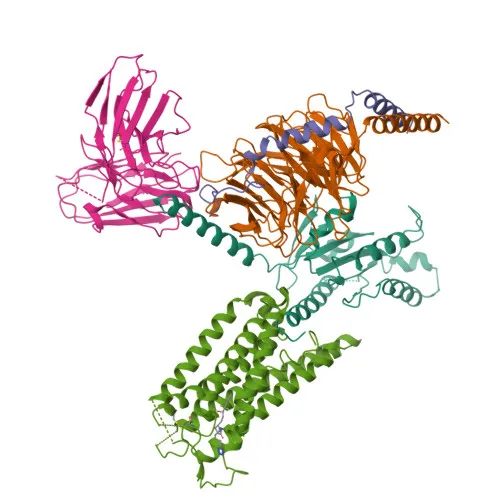
- The PTGER4 gene encodes the prostaglandin E2 receptor EP4 subtype, also known as the prostanoid EP4 receptor, a member of the G protein-coupled receptor (GPCR) family.
- EP4 functions as a receptor specifically for prostaglandin E2 (PGE2), activating adenylate cyclase via G(s) protein coupling, thereby increasing intracellular cAMP levels.
- This signaling pathway mediates smooth muscle relaxation and is implicated in various physiological processes, including the regulation of renal hemodynamics, intestinal epithelial transport, adrenal aldosterone secretion, and uterine function.
- The receptor localizes to the cell membrane, consistent with its role as a transmembrane signaling protein.
- According to UniProtKB, EP4 is post-translationally modified by glycosylation and phosphorylation, and contains disulfide bonds critical for its structure.
- Tissue expression analysis indicates high levels in the intestine and peripheral blood mononuclear cells, with lower expression in lung, kidney, thymus, uterus, vasculature, and brain; it is absent from liver, heart, retina, and skeletal muscle.
Experimental Guidance and Technical Tips
- The rabbit polyclonal antibody was raised against full-length recombinant human PTGER4 (amino acids 1-488). It may recognize multiple epitopes, enhancing sensitivity in Western blotting.
- In Western blot, a band of approximately 53 kDa is expected. Confirm expression using human or rat tissue lysates known to express PTGER4, such as intestinal tissue or peripheral blood mononuclear cells.
- For ELISA applications, this polyclonal antibody can be paired with an anti-EP4 monoclonal antibody to establish a sandwich assay. Titration and cross-reactivity optimization are recommended.
- The reported cross-reactivity with rat suggests potential use in rodent models; validate specificity in the target species and tissue.
- As a GPCR, ensure that sample preparation preserves membrane protein integrity; avoid overly harsh denaturing conditions that may compromise epitope recognition.
CamelBio: Your One-Stop Sourcing Bridge
CamelBio streamlines the supply of high-quality IVD raw materials for diagnostic manufacturers and research institutes. For prostaglandin E2 receptor EP4 studies, we provide validated antibody pairs, optimized monoclonal and polyclonal antibodies, and bulk ancillary reagents to support your assay development. Our team also assists with rare GPCR target sourcing and offers technical consultation from concept to clinical application.
REQUEST A QUOTE
Our professional team will reply to you within one business day. Please feel free to contact us!