Polyclonal Antibodies
Anti-PGD Rabbit Polyclonal Antibody for WB, IHC-P, IF/ICC, ELISA - P52209
Item Number : CM0026518
Price varies based on specs and customizations
- Application
- WB, IHC-P, IF/ICC, ELISA
- Cross Reactivity
- Human, Mouse, Rat
- Protein Weight
- 53kDa

Shipping:
Contact us to get shipping details Enjoy On-time Dispatch Guarantee.
Why Choose Us
Easy ordering process, quality products, and dedicated support for your business success.
Core Product Specifications and Parameters
| Parameter | Value |
|---|---|
| Product Name | PGD Rabbit pAb |
| Remarks/Alias | 6PGD; PGD |
| Species | Human |
| GeneID (Human) | 5226 |
| GeneID | 5226 |
| Immunogen | Recombinant fusion protein containing a sequence corresponding to amino acids 184-483 of human PGD (NP_002622.2). |
| Source | Rabbit |
| Category | Polyclonal Antibodies |
| Application | WB, IHC-P, IF/ICC, ELISA |
| Cross Reactivity | Human, Mouse, Rat |
| SWISS | P52209 |
| Protein Weight | 53kDa |
| Shipping | Ice bag |
Biological Background: PGD (6-phosphogluconate dehydrogenase) Function and Localization
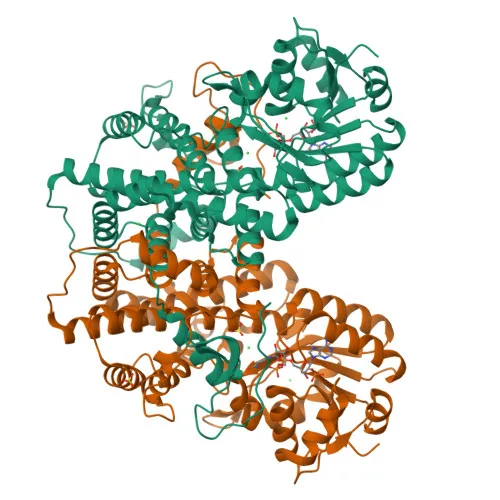
- The PGD gene encodes 6-phosphogluconate dehydrogenase, a cytoplasmic enzyme of the pentose phosphate pathway, also known as 6PGD.
- It catalyzes the oxidative decarboxylation of 6-phosphogluconate to ribulose 5-phosphate and CO₂, simultaneously reducing NADP to NADPH.
- This reaction is the third step in the pentose phosphate pathway, providing ribose-5-phosphate for nucleotide synthesis and NADPH for reductive biosynthesis and antioxidant defense.
- Subcellularly, PGD localizes to the cytoplasm (UniProt annotation).
- The protein undergoes post-translational modifications, including acetylation and phosphorylation (UniProt keywords), which may regulate its activity.
- Alternative splicing of the PGD gene transcript generates multiple isoforms (UniProt keyword).
- PGD is classified as an oxidoreductase and is essential for gluconate utilization and cellular redox balance.
Experimental Guidance and Technical Tips
- The immunogen is a recombinant protein spanning amino acids 184–483 of human PGD, covering a large portion of the catalytic domain; the antibody is expected to detect total PGD.
- For Western blot, the predicted molecular weight is ~53 kDa; however, due to possible post-translational modifications or alternative splicing, additional bands may appear—validate under reducing conditions.
- When performing IHC-P, consider heat-induced antigen retrieval (e.g., citrate buffer pH 6.0) and optimize antibody dilution for the specific tissue.
- For IF/ICC, fix cells with 4% paraformaldehyde and permeabilize with 0.1% Triton X-100; include a blocking step to reduce non-specific binding.
- The antibody cross-reacts with mouse and rat PGD, enabling analysis of these species; verify performance in your model system by including positive and negative controls.
- As a polyclonal antibody, lot-to-lot consistency should be assessed; always include a loading control and appropriate normalization in quantitative assays.
CamelBio: Your One-Stop Sourcing Bridge
CamelBio is your trusted one-stop sourcing partner for IVD raw materials, offering this anti-PGD polyclonal antibody alongside a comprehensive portfolio of validated antibody pairs, optimized monoclonal and polyclonal antibodies, bulk ancillary reagents, and rare target sourcing. We support metabolic and pentose phosphate pathway research and diagnostic development from concept to clinic. Let us help you efficiently secure high-quality raw materials for your next project.
Product Datasheet
Anti-PGD Rabbit Polyclonal Antibody for WB, IHC-P, IF/ICC, ELISA - P52209
REQUEST A QUOTE
Our professional team will reply to you within one business day. Please feel free to contact us!