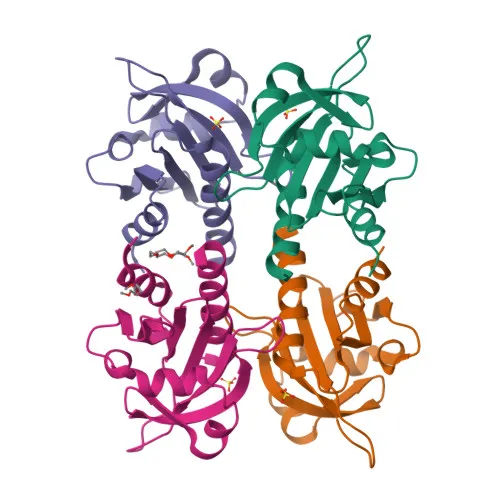
Polyclonal Antibodies
Anti-PFN2 Polyclonal Antibody for WB, ELISA - P35080
Item Number : CM0022259
Price varies based on specs and customizations
- Application
- WB, ELISA
- Cross Reactivity
- Human, Mouse, Rat
- Protein Weight
- 15kDa

Shipping:
Contact us to get shipping details Enjoy On-time Dispatch Guarantee.
Why Choose Us
Easy ordering process, quality products, and dedicated support for your business success.
Core Product Specifications and Parameters
| Parameter | Value |
|---|---|
| Product Name | PFN2 Rabbit pAb |
| Remarks/Alias | PFL; D3S1319E; PFN2 |
| Species | Human |
| GeneID (Human) | 5217 |
| GeneID | 5217 |
| Immunogen | Recombinant protein corresponding to a sequence within amino acids 1-140 of human PFN2 (NP_444252.1). |
| Source | Rabbit |
| Category | Polyclonal Antibodies |
| Application | WB, ELISA |
| Cross Reactivity | Human, Mouse, Rat |
| SWISS | P35080 |
| Protein Weight | 15kDa |
| Shipping | Ice bag |
Biological Background: Profilin-2 Function and Localization
- Profilin-2 (PFN2), also known as Profilin II, is an actin-binding protein that modulates cytoskeletal dynamics by regulating actin polymerization in a concentration-dependent manner.
- At low concentrations, profilin-2 promotes actin polymerization, while at high concentrations it sequesters actin monomers and inhibits filament formation.
- PFN2 binds phosphatidylinositol 4,5-bisphosphate (PIP2), thereby inhibiting the hydrolysis of PIP2 to inositol trisphosphate (IP3) and diacylglycerol (DG), which links actin dynamics to phosphoinositide signaling.
- The protein is localized to the cytoplasm and associates with the cytoskeleton, consistent with its role in actin remodeling.
- PFN2 is highly expressed in brain, skeletal muscle, and kidney, with lower levels in heart, placenta, lung, and liver, suggesting tissue-specific functions in motility and structural organization.
- Alternative splicing of the PFN2 gene generates multiple transcript variants, contributing to isoform diversity (keyword: Alternative splicing).
- Post-translational modifications include acetylation (keyword: Acetylation), which may regulate protein stability or interactions.
- Profilin-2 is subject to direct protein sequencing and proteomics identification, validating its endogenous expression (keyword: Direct protein sequencing, Proteomics identification).
Experimental Guidance and Technical Tips
- The immunogen is a recombinant protein covering amino acids 1-140 of human PFN2 (NP_444252.1). Consider that the antibody may detect both full-length profilin-2 and N-terminal fragments.
- For western blotting, PFN2 has a predicted molecular weight of approximately 15 kDa; we recommend using appropriate gel percentages and transfer conditions for small proteins.
- Due to the cytoplasmic localization, consider preparing whole-cell lysates with suitable buffers, and validate expression in cell lines or tissues with known PFN2 abundance (e.g., brain, skeletal muscle).
- Cross-reactivity is indicated for human, mouse, and rat; however, we recommend verifying sequence homology for other species if needed.
- ELISA applications may require optimization of coating conditions and detection antibodies; consider pairing with a validated secondary antibody and appropriate controls.
CamelBio: Your One-Stop Sourcing Bridge
CamelBio streamlines procurement for diagnostic manufacturers and research laboratories by providing validated antibody pairs, optimized monoclonal/polyclonal antibodies, and bulk ancillary reagents covering the full IVD raw-material spectrum. For PFN2-related projects, we offer polyclonal antibodies suitable for cytoskeleton and actin dynamics research, along with rare target raw-material sourcing. We are your one-stop bridge from concept to clinic, ensuring reliable supply chains for IVD development.
REQUEST A QUOTE
Our professional team will reply to you within one business day. Please feel free to contact us!