Polyclonal Antibodies
Anti-PFKP Polyclonal Antibody for WB, IHC-P, IF/ICC, ELISA - Q01813
Item Number : CM0025500
Price varies based on specs and customizations
- Application
- WB, IHC-P, IF/ICC, ELISA
- Cross Reactivity
- Human, Mouse, Rat
- Protein Weight
- 86kDa

Shipping:
Contact us to get shipping details Enjoy On-time Dispatch Guarantee.
Why Choose Us
Easy ordering process, quality products, and dedicated support for your business success.
Core Product Specifications and Parameters
| Parameter | Value |
|---|---|
| Product Name | PFKP Rabbit pAb |
| Remarks/Alias | PFKF; PFK-C; PFK-P; ATP-PFK; PFKP |
| Species | Human |
| Gene ID (Human) | 5214 |
| Immunogen | Recombinant fusion protein containing a sequence corresponding to amino acids 336-540 of human PFKP (NP_002618.1) |
| Source | Rabbit |
| Category | Polyclonal Antibodies |
| Application | WB, IHC-P, IF/ICC, ELISA |
| Cross Reactivity | Human, Mouse, Rat |
| SWISS | Q01813 |
| Protein Weight | 86kDa |
| Shipping | Ice bag |
Biological Background: PFKP Function and Localization
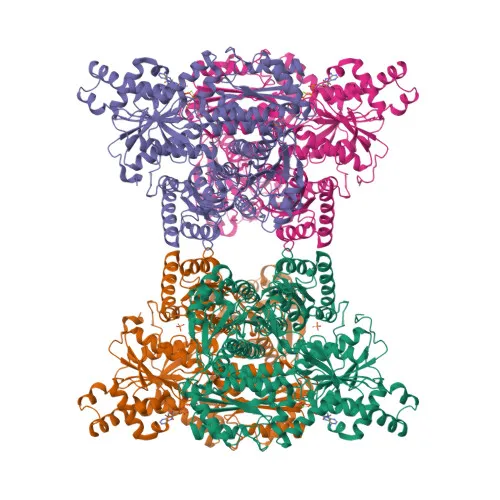
- PFKP encodes ATP-dependent 6-phosphofructokinase, platelet type (also known as PFK-C or phosphofructo-1-kinase isozyme C), a key regulatory enzyme in glycolysis.
- It catalyzes the phosphorylation of D-fructose 6-phosphate to fructose 1,6-bisphosphate using ATP, the first irreversible step specific to glycolysis.
- PFKP is one of three phosphofructokinase isozymes in humans; the others are liver (PFKL) and muscle (PFKM) types, each with distinct tissue expression patterns.
- The protein localizes predominantly to the cytoplasm, consistent with its role in glycolysis.
- PFKP is subject to various post-translational modifications including acetylation and phosphorylation, which modulate its enzymatic activity and allosteric regulation.
- As an allosteric enzyme, PFKP is regulated by key metabolites such as ATP, ADP, AMP, and fructose-2,6-bisphosphate, reflecting cellular energy status.
- Keywords indicate involvement in metal-binding (magnesium) and nucleotide-binding, essential for its catalytic mechanism.
Experimental Guidance and Technical Tips
- The immunogen (aa 336-540) lies within a conserved central domain; consider verifying immunoreactivity across species (human, mouse, rat) based on sequence alignment.
- For Western blotting, a band around 86 kDa is expected; use appropriate molecular weight markers and optimize protein loading.
- In immunohistochemistry (IHC-P) and immunofluorescence (IF/ICC), include appropriate controls (e.g., isotype control or peptide blocking) to confirm signal specificity.
- For ELISA, consider coating antigen and optimizing antibody dilution in the relevant sample matrix.
CamelBio: Your One-Stop Sourcing Bridge
CamelBio provides diagnostic manufacturers, labs, and research institutes with one-stop access to IVD raw materials, technical services, and consulting—covering every stage from concept to clinic. For glycolysis research and metabolic disorders, we supply validated PFKP antibodies, antibody pairs, and ancillary reagents to accelerate your assay development. Whether you need bulk monoclonal/polyclonal antibodies or rare target sourcing, CamelBio is your trusted partner.
REQUEST A QUOTE
Our professional team will reply to you within one business day. Please feel free to contact us!