Polyclonal Antibodies
Anti-PFKM Polyclonal Antibody for WB, IF/ICC, ELISA - P08237
Item Number : CM0027290
Price varies based on specs and customizations
- Application
- WB, IF/ICC, ELISA
- Cross Reactivity
- Human, Mouse, Rat
- Protein Weight
- 85kDa

Shipping:
Contact us to get shipping details Enjoy On-time Dispatch Guarantee.
Why Choose Us
Easy ordering process, quality products, and dedicated support for your business success.
Core Product Specifications and Parameters
| Parameter | Value |
|---|---|
| Product Name | PFKM Rabbit pAb |
| Remarks/Alias | GSD7; PFK1; PFKA; PFKX; PFK-1; PFK-A; ATP-PFK; PPP1R122; PFKM |
| Species | Human |
| GeneID (Human) | 5213 |
| GeneID | 5213 |
| Immunogen | Recombinant protein|Recombinant fusion protein containing a sequence corresponding to amino acids 501-780 of human PFKM (NP_001160160.1) |
| Source | Rabbit |
| Category | Polyclonal Antibodies |
| Application | WB, IF/ICC, ELISA |
| Cross Reactivity | Human, Mouse, Rat |
| SWISS | P08237 |
| Protein Weight | 85kDa |
| Shipping | Ice bag |
Biological Background: PFKM Function and Localization
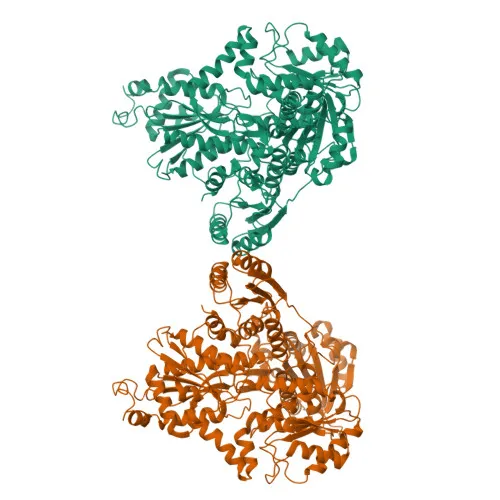
- PFKM (ATP-dependent 6-phosphofructokinase, muscle type) is also known as phosphofructokinase-1 isozyme A (PFK-A), phosphohexokinase, and other aliases (GSD7, PFK1, PFKA, PFKX, PFK-1, PFK-A, ATP-PFK, PPP1R122). It belongs to the phosphofructokinase family and is the muscle-specific isoform.
- PFKM catalyzes the phosphorylation of D-fructose 6-phosphate to fructose 1,6-bisphosphate using ATP, representing the first irreversible and rate-limiting step of glycolysis. This reaction commits glucose to energy production.
- The enzyme is located in the cytoplasm, consistent with its role in the glycolytic pathway.
- PFKM is subject to multiple post-translational modifications, including acetylation, phosphorylation, hydroxylation, and glycosylation, which may regulate its activity and stability. It is also an allosteric enzyme that responds to cellular energy status.
- Mutations in PFKM are associated with glycogen storage disease type VII (GSD7, Tarui disease), characterized by exercise intolerance and muscle cramps due to impaired glycolysis.
- Alternative splicing generates different isoforms, and the protein has been identified through large-scale proteomics studies as part of the reference proteome.
Experimental Guidance and Technical Tips
- The immunogen is a recombinant protein fragment covering amino acids 501-780, a region that may confer isoform specificity; verify cross-reactivity with other PFK isozymes if required.
- For Western blot (WB), the predicted molecular weight is approximately 85 kDa; use appropriate gel percentage and transfer conditions.
- In immunofluorescence/immunocytochemistry (IF/ICC), confirm localization in the cytoplasm of muscle or glycolytically active cell lines; include appropriate controls for signal specificity.
- ELISA applications may require optimization of coating and detection conditions; the polyclonal nature of the antibody can aid in sensitive detection.
- This antibody cross-reacts with human, mouse, and rat PFKM, making it suitable for multi-species studies; validate in your specific sample system.
CamelBio: Your One-Stop Sourcing Bridge
CamelBio supports diagnostic manufacturers and research laboratories with comprehensive IVD raw material procurement, including validated antibody pairs, optimized monoclonal and polyclonal antibodies, and bulk ancillary reagents. This anti-PFKM polyclonal antibody is a valuable tool for glycolysis and metabolic research, as well as for studying glycogen storage diseases. For rare or custom targets, CamelBio offers specialized sourcing and technical consulting to streamline your assay development from concept to clinic.
REQUEST A QUOTE
Our professional team will reply to you within one business day. Please feel free to contact us!