Polyclonal Antibodies
Anti-PFKL Rabbit Polyclonal Antibody for WB, IF/ICC, ELISA - P17858
Item Number : CM0026967
Price varies based on specs and customizations
- Application
- WB, IF/ICC, ELISA
- Cross Reactivity
- Human, Mouse, Rat
- Protein Weight
- 85kDa

Shipping:
Contact us to get shipping details Enjoy On-time Dispatch Guarantee.
Why Choose Us
Easy ordering process, quality products, and dedicated support for your business success.
Core Product Specifications and Parameters
| Parameter | Value |
|---|---|
| Product Name | PFKL Rabbit pAb |
| Remarks/Alias | PFK-B; PFK-L; ATP-PFK; PFKL |
| Species | Human |
| GeneID (Human) | 5211 |
| GeneID | 5211 |
| Immunogen | Recombinant fusion protein containing a sequence corresponding to amino acids 700-780 of human PFKL (NP_002617.3) |
| Source | Rabbit |
| Category | Polyclonal Antibodies |
| Application | WB, IF/ICC, ELISA |
| Cross Reactivity | Human, Mouse, Rat |
| SWISS | P17858 |
| Protein Weight | 85kDa |
| Shipping | Ice bag |
Biological Background: PFKL Function and Localization
- PFKL (ATP-dependent 6-phosphofructokinase, liver type) is also known as 6-phosphofructokinase type B (PFK-B) and phosphohexokinase. It catalyzes the phosphorylation of D-fructose 6-phosphate to fructose 1,6-bisphosphate using ATP, the first committing step of glycolysis. Related references: PMID:22923583
- In macrophages, PFKL negatively regulates the phagocyte oxidative burst by controlling NADPH biosynthesis and reactive oxygen species production, driving a metabolic switch toward glycolysis upon activation (By similarity).
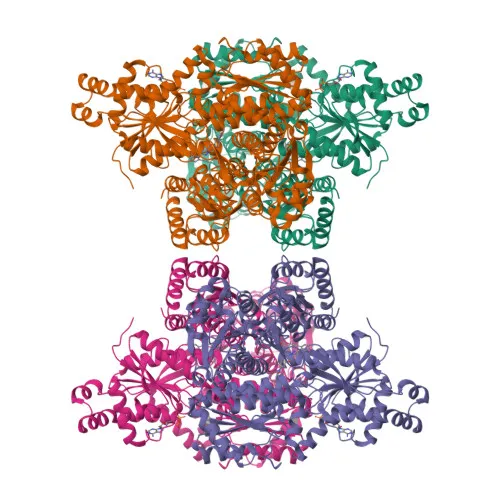
- The enzyme is an allosteric enzyme, subject to regulation by various metabolites, and exists as a homotetramer or in heterotetramers with other phosphofructokinase isozymes (PFKM and PFKP).
- PFKL is predominantly localized in the cytoplasm, consistent with its role in glycolysis.
- Post‑translational modifications of PFKL include acetylation and phosphorylation, which may modulate its activity and stability.
- The protein is a member of the phosphofructokinase family and is a transferase with ATP‑binding and magnesium metal‑binding sites.
Experimental Guidance and Technical Tips
- The immunogen corresponds to amino acids 700–780 in the C‑terminal region of human PFKL. Verify antibody specificity in your sample system by using appropriate controls.
- For Western blot, a specific band at approximately 85 kDa is expected. Consider using a molecular weight marker to confirm band identity.
- Cross‑reactivity is reported for human, mouse, and rat; validate the antibody in these species by performing a species‑specific control (e.g., tissue lysate).
- For immunofluorescence/immunocytochemistry, optimize fixation and permeabilization conditions; a cytoplasmic staining pattern is anticipated based on the protein’s subcellular localization.
- In ELISA, test the antibody as a capture or detection reagent with recombinant PFKL or native protein from cell lysates; determine optimal antibody dilution experimentally.
CamelBio: Your One-Stop Sourcing Bridge
CamelBio supplies diagnostic manufacturers and research laboratories with validated antibody pairs, optimized monoclonal and polyclonal antibodies, and ancillary bulk reagents, supporting your IVD development from concept to clinic. This anti‑PFKL antibody is a valuable tool for glycolysis and metabolic disorder research. Through our one‑stop sourcing platform, we can also help obtain rare‑target raw materials and provide technical consulting for your assay development needs.
REQUEST A QUOTE
Our professional team will reply to you within one business day. Please feel free to contact us!