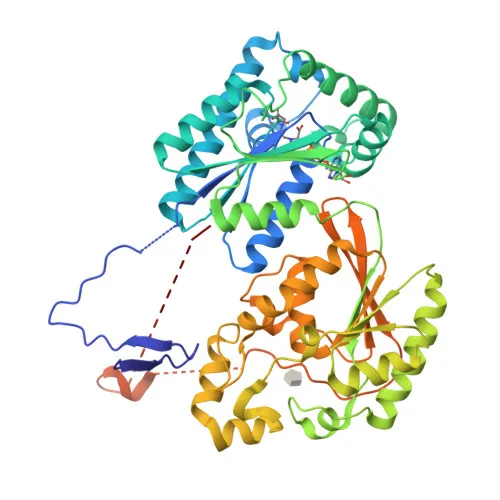
Monoclonal Antibodies
Anti-PFKFB3 Rabbit Monoclonal Antibody (iPFK-2) for WB, IHC-P, ELISA - Q16875
Item Number : CM0007052
Price varies based on specs and customizations
- Application
- WB, IHC-P, ELISA
- Cross Reactivity
- Human, Mouse, Rat
- Protein Weight
- 57kDa/58kDa/59kDa/60kDa

Shipping:
Contact us to get shipping details Enjoy On-time Dispatch Guarantee.
Why Choose Us
Easy ordering process, quality products, and dedicated support for your business success.
Core Product Specifications and Parameters
| Parameter | Value |
|---|---|
| Product Name | PFKFB3 Rabbit mAb |
| Remarks/Alias | PFK2; IPFK2; iPFK-2; PFKFB3 |
| Species | Human |
| Gene ID (Human) | 5209 |
| Gene ID | 5209 |
| Immunogen | A synthetic peptide corresponding to a sequence within amino acids 400-500 of human PFKFB3 (NP_004557.1) |
| Source | Rabbit |
| Category | Monoclonal Antibodies |
| Application | WB, IHC-P, ELISA |
| Cross Reactivity | Human, Mouse, Rat |
| SWISS | Q16875 |
| Protein Weight | 57kDa/58kDa/59kDa/60kDa |
| Shipping | Ice bag |
Biological Background: PFKFB3 Function and Localization
- PFKFB3 is also known as 6PF-2-K/Fru-2,6-P2ase brain/placenta-type isozyme, iPFK-2, and renal carcinoma antigen NY-REN-56, highlighting its role in fructose 2,6-bisphosphate metabolism.
- The enzyme catalyzes both the synthesis and degradation of fructose 2,6-bisphosphate, a potent allosteric activator of phosphofructokinase-1 and thus a key regulator of glycolysis.
- PFKFB3 is a bifunctional enzyme possessing both kinase (6-phosphofructo-2-kinase) and phosphatase (fructose-2,6-bisphosphatase) activities, classifying it as a multifunctional enzyme.
- It contains ATP-binding and nucleotide-binding domains, consistent with its kinase activity and transferase classification.
- The protein is subject to phosphorylation, indicating regulatory control by signaling pathways, and has been identified in large-scale proteomics screens.
- Alternative splicing of the PFKFB3 gene generates multiple isoforms, reflected in the observed protein weight range of 57–60 kDa.
- PFKFB3 is ubiquitously expressed across human tissues, underscoring its fundamental role in cellular metabolism.
Experimental Guidance and Technical Tips
- The immunogen corresponds to a conserved peptide region (aa 400–500), suggesting the antibody may recognize multiple PFKFB3 isoforms across human, mouse, and rat samples. Validate species cross-reactivity in your specific assay system.
- For Western Blot, expect bands between 57–60 kDa; consider using reducing conditions and test multiple lysate concentrations to optimize signal-to-noise.
- In IHC-P, standard antigen retrieval methods (e.g., citrate buffer, pH 6.0) may be suitable; however, optimal conditions should be empirically determined.
- For ELISA applications, preliminary checkerboard titrations against the immunogen peptide or recombinant protein are recommended to establish linear range and sensitivity.
CamelBio: Your One-Stop Sourcing Bridge
CamelBio serves as a comprehensive sourcing partner for IVD raw materials, connecting diagnostic developers with high-quality reagents like this PFKFB3 monoclonal antibody for glycolysis and cancer metabolism research. We supply validated monoclonal/polyclonal antibodies, bulk ancillary reagents, and offer assistance in sourcing rare-target raw materials to streamline your assay development from concept to clinical application.
Product Datasheet
Anti-PFKFB3 Rabbit Monoclonal Antibody (iPFK-2) for WB, IHC-P, ELISA - Q16875
REQUEST A QUOTE
Our professional team will reply to you within one business day. Please feel free to contact us!