Polyclonal Antibodies
Anti-PFDN5 Polyclonal Antibody for WB, IF/ICC, ELISA - Q99471
Item Number : CM0029874
Price varies based on specs and customizations
- Application
- WB, IF/ICC, ELISA
- Cross Reactivity
- Human, Mouse, Rat
- Protein Weight
- 17kDa

Shipping:
Contact us to get shipping details Enjoy On-time Dispatch Guarantee.
Why Choose Us
Easy ordering process, quality products, and dedicated support for your business success.
Core Product Specifications and Parameters
| Parameter | Value |
|---|---|
| Product Name | PFDN5 Rabbit pAb |
| Remarks/Alias | MM1; MM-1; PFD5; PFDN5 |
| Species | Human |
| GeneID (Human) | 5204 |
| GeneID | 5204 |
| Immunogen | Recombinant protein |
| Source | Rabbit |
| Category | Polyclonal Antibodies |
| Application | WB, IF/ICC, ELISA |
| Cross Reactivity | Human, Mouse, Rat |
| SWISS | Q99471 |
| Protein Weight | 17kDa |
| Shipping | Ice bag |
Biological Background: PHDN5 Function and Localization
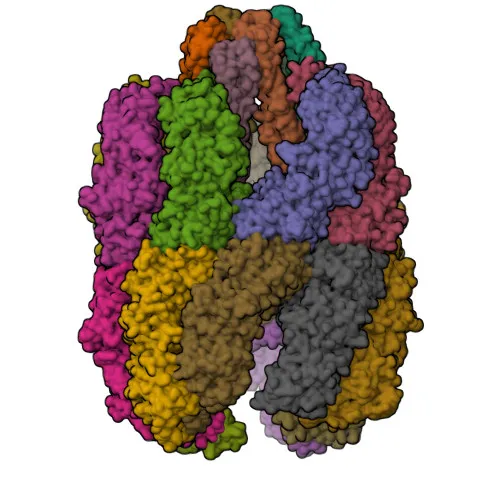
- PFDN5, also known as Prefoldin subunit 5 or Myc modulator 1 (MM-1), is a component of the prefoldin chaperone complex that facilitates protein folding.
- It binds specifically to cytosolic chaperonin (c-CPN) and transfers nascent polypeptide chains to promote folding in a competitive environment of nonnative proteins.
- PFDN5 also functions as a transcriptional repressor by binding to MYC and inhibiting MYC-mediated transcriptional activity.
- The protein localizes to both the nucleus and cytoplasm, allowing it to participate in chaperone functions and transcriptional regulation.
- PFDN5 is subject to post-translational modifications including phosphorylation and acetylation, which may modulate its activity and interactions.
- The gene undergoes alternative splicing, potentially generating multiple protein isoforms with distinct functions.
- PFDN5 is highly expressed in pancreas and skeletal muscle, with moderate expression in other tissues, suggesting tissue-specific roles in protein homeostasis and MYC regulation.
Experimental Guidance and Technical Tips
- For Western blot (WB), a 15% or gradient gel is recommended due to the small predicted molecular weight (~17 kDa). Include appropriate molecular weight markers.
- As a polyclonal antibody, it may recognize multiple isoforms or bands resulting from alternative splicing or post-translational modifications. Validate specificity using control lysates or knockdown samples.
- In immunofluorescence (IF/ICC), expect both nuclear and cytoplasmic staining. Use appropriate fixation and permeabilization protocols to preserve epitopes.
- For ELISA, consider using recombinant PFDN5 or cell lysates from high-expressing tissues (e.g., pancreas, skeletal muscle) to optimize coating and detection conditions.
- When using for mouse or rat samples, verify cross-reactivity in the relevant species through pilot experiments, as cross-reactivity is predicted but should be confirmed.
- The antibody targets the N-terminal 1-154 region, which may be present in all known isoforms; however, check for sequence conservation across species and splice variants.
CamelBio: Your One-Stop Sourcing Bridge
CamelBio provides diagnostic manufacturers and research labs with one-stop access to high-quality IVD raw materials, including this anti-PFDN5 polyclonal antibody. Beyond antibodies, we supply validated antibody pairs, bulk ancillary reagents, and custom sourcing for rare targets, supporting your assay development from concept to clinic. Partner with CamelBio for reliable, scalable raw-material solutions in protein folding and cancer research.
REQUEST A QUOTE
Our professional team will reply to you within one business day. Please feel free to contact us!