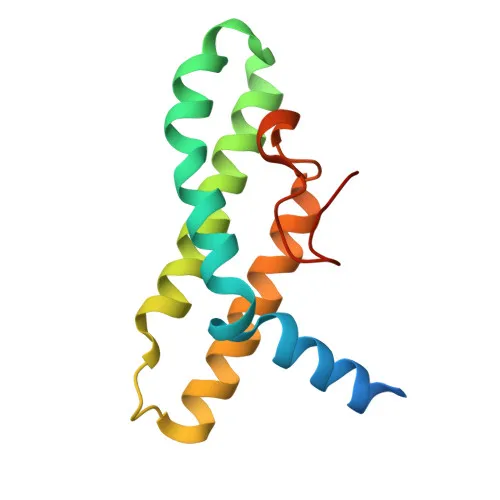
Polyclonal Antibodies
Anti-PEX19 Rabbit Polyclonal Antibody for WB, IF-P, ELISA - P40855
Item Number : CM0028415
Price varies based on specs and customizations
- Application
- WB, IF-P, ELISA
- Cross Reactivity
- Human, Mouse, Rat
- Protein Weight
- 33kDa

Shipping:
Contact us to get shipping details Enjoy On-time Dispatch Guarantee.
Why Choose Us
Easy ordering process, quality products, and dedicated support for your business success.
Core Product Specifications and Parameters
| Parameter | Value |
|---|---|
| Product Name | PEX19 Rabbit pAb |
| Remarks/Alias | PXF; HK33; PMP1; PMPI; PXMP1; PBD12A; D1S2223E; PEX19 |
| Species | Human |
| GeneID (Human) | 5824 |
| GeneID | 5824 |
| Immunogen | Recombinant fusion protein containing a sequence corresponding to amino acids 1-299 of human PEX19 (NP_002848.1) |
| Source | Rabbit |
| Category | Polyclonal Antibodies |
| Application | WB, IF-P, ELISA |
| Cross Reactivity | Human, Mouse, Rat |
| SWISS | P40855 |
| Protein Weight | 33kDa |
| Shipping | Ice bag |
Biological Background: PEX19 Function and Localization
- PEX19, also known as Peroxin-19 or 33 kDa housekeeping protein, is essential for early peroxisomal biogenesis.
- It functions as a cytosolic chaperone and import receptor for peroxisomal membrane proteins (PMPs): it binds newly synthesized PMPs via their hydrophobic domains and targets them to the peroxisome by interacting with PEX3 on the membrane.
- PEX19 also mediates nuclear exclusion of CDKN2A, preventing its interaction with MDM2 and subsequently promoting TP53 degradation.
- The protein is encoded by the PEX19 gene (GeneID: 5824) and exhibits ubiquitous tissue expression; isoform 1 predominates in most tissues, whereas isoform 2 is the main form in utero.
- Subcellularly, PEX19 is predominantly cytoplasmic but also associates with the peroxisome membrane.
- Post-translational modifications including acetylation, methylation, phosphorylation, and farnesylation regulate its membrane association and chaperone activity.
- Mutations in PEX19 are linked to peroxisome biogenesis disorders such as Zellweger syndrome (Keywords: Peroxisome biogenesis disorder, Zellweger syndrome).
Experimental Guidance and Technical Tips
- The immunogen used encompasses the full-length human PEX19 sequence (amino acids 1-299), enabling recognition of both major isoforms.
- For Western blot (WB), expect a main band around 33 kDa; note that post-translational modifications (e.g., farnesylation) may cause slight shifts or additional bands.
- In immunofluorescence-paraformaldehyde (IF-P) experiments, consider permeabilization protocols to detect both cytoplasmic and peroxisome membrane populations; colocalization with peroxisomal markers is recommended.
- For ELISA, the antibody may be used to capture or detect recombinant or endogenous PEX19; validate in your sample matrix.
- Cross-reactivity with mouse and rat PEX19 has been shown; however, verify performance in the specific tissue or cell line of interest.
CamelBio: Your One-Stop Sourcing Bridge
As a dedicated one-stop IVD raw-material supplier, CamelBio bridges the gap between diagnostic developers and high-quality reagents like this anti-PEX19 polyclonal antibody, tailored for peroxisome research and Zellweger syndrome studies. Beyond antibodies, we offer validated antibody pairs, optimized monoclonal and polyclonal antibodies, bulk ancillary reagents, and custom sourcing for rare targets to support your entire development pipeline. Partner with CamelBio for reliable, scalable solutions from concept to clinic.
REQUEST A QUOTE
Our professional team will reply to you within one business day. Please feel free to contact us!