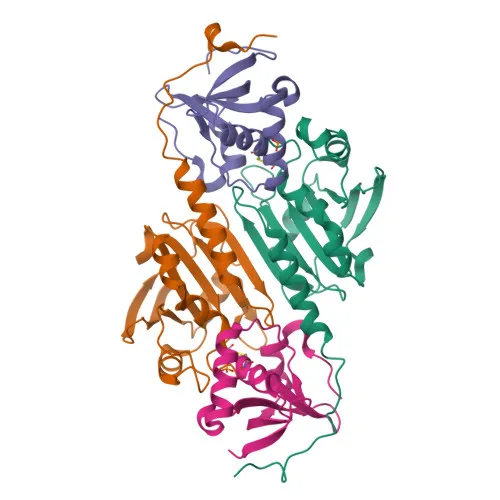
Polyclonal Antibodies
Anti-Peroxiredoxin 1/PAG Polyclonal Antibody for WB and ELISA - Q06830
Item Number : CM0016387
Price varies based on specs and customizations
- Application
- WB, ELISA
- Cross Reactivity
- Human, Mouse
- Protein Weight
- 22kDa

Shipping:
Contact us to get shipping details Enjoy On-time Dispatch Guarantee.
Why Choose Us
Easy ordering process, quality products, and dedicated support for your business success.
Core Product Specifications and Parameters
| Parameter | Value |
|---|---|
| Product Name | Peroxiredoxin 1/PAG Rabbit pAb |
| Remarks/Alias | PAG; PAGA; PAGB; PRX1; PRXI; MSP23; NKEFA; TDPX2; NKEF-A; Peroxiredoxin 1/PAG |
| Species | Human |
| GeneID (Human) | 5052 |
| GeneID | 5052 |
| Immunogen | Recombinant fusion protein containing a sequence corresponding to amino acids 1-199 of human Peroxiredoxin 1/PAG (NP_001189360.1) |
| Source | Rabbit |
| Category | Polyclonal Antibodies |
| Application | WB, ELISA |
| Cross Reactivity | Human, Mouse |
| SWISS | Q06830 |
| Protein Weight | 22kDa |
| Shipping | Ice bag |
Biological Background: Peroxiredoxin 1 (PRDX1) Function and Localization
- Peroxiredoxin-1 (PRDX1) is a thiol-specific peroxidase that catalyzes the reduction of hydrogen peroxide and organic hydroperoxides to water and alcohols, serving as a key antioxidant enzyme. Related references: PMID:9497357
- It functions as a sensor of hydrogen peroxide-mediated signaling events and may modulate intracellular H2O2 concentrations to regulate growth factor and tumor necrosis factor-alpha signaling cascades. Related references: PMID:9497357
- Also known as Natural killer cell-enhancing factor A (NKEF-A), Proliferation-associated gene protein (PAG), Thioredoxin peroxidase 2, and Thioredoxin-dependent peroxiredoxin 1.
- The PRDX1 gene (GeneID: 5052) encodes a protein of 199 amino acids with a molecular weight of approximately 22 kDa.
- It is localized primarily in the cytoplasm and has been identified in melanosomes.
- Post-translational modifications include acetylation, phosphorylation, disulfide bond formation, and isopeptide bonds (ubiquitin-like conjugation), which are critical for its regulation.
- Reduces an intramolecular disulfide bond in GDPD5, gating its ability to drive postmitotic motor neuron differentiation (by similarity).
Experimental Guidance and Technical Tips
- The immunogen is a recombinant full-length Peroxiredoxin-1 protein; therefore, the antibody may detect both reduced and oxidized forms. Consider using reducing and non-reducing SDS-PAGE conditions for Western blot to distinguish redox states.
- For ELISA, validate using recombinant Peroxiredoxin-1 protein as a positive control and optimize coating and detection conditions.
- Confirm antibody specificity in relevant human and mouse cell lines or tissue lysates, as cross-reactivity with these species is indicated.
- Given its role in oxidative stress, include appropriate antioxidant controls (e.g., NAC) when studying stimulus-induced peroxiredoxin modifications.
CamelBio: Your One-Stop Sourcing Bridge
CamelBio provides diagnostic manufacturers and research labs with one-stop access to IVD raw materials, technical services, and consulting. This Peroxiredoxin 1 antibody supports oxidative stress and cancer research, and we can supply validated antibody pairs, optimized monoclonal/polyclonal antibodies, and bulk ancillary reagents. For rare or custom targets, our team streamlines sourcing from discovery to clinical application.
Product Datasheet
Anti-Peroxiredoxin 1/PAG Polyclonal Antibody for WB and ELISA - Q06830
REQUEST A QUOTE
Our professional team will reply to you within one business day. Please feel free to contact us!