Polyclonal Antibodies
Anti-PEPD Rabbit Polyclonal Antibody for WB, ELISA - P12955
Item Number : CM0028311
Price varies based on specs and customizations
- Application
- WB, ELISA
- Cross Reactivity
- Human, Mouse, Rat
- Protein Weight
- 54kDa

Shipping:
Contact us to get shipping details Enjoy On-time Dispatch Guarantee.
Why Choose Us
Easy ordering process, quality products, and dedicated support for your business success.
Core Product Specifications and Parameters
| Parameter | Value |
|---|---|
| Product Name | PEPD Rabbit pAb |
| Remarks/Alias | PROLIDASE; PEPD |
| Species | Human |
| Gene ID (Human) | 5184 |
| Gene ID | 5184 |
| Immunogen | Recombinant protein; Recombinant fusion protein containing a sequence corresponding to amino acids 288-424 of human PEPD (NP_000276.2). |
| Source | Rabbit |
| Category | Polyclonal Antibodies |
| Application | WB, ELISA |
| Cross Reactivity | Human, Mouse, Rat |
| SWISS | P12955 |
| Protein Weight | 54kDa |
| Shipping | Ice bag |
Biological Background: PEPD (Prolidase) Function and Localization
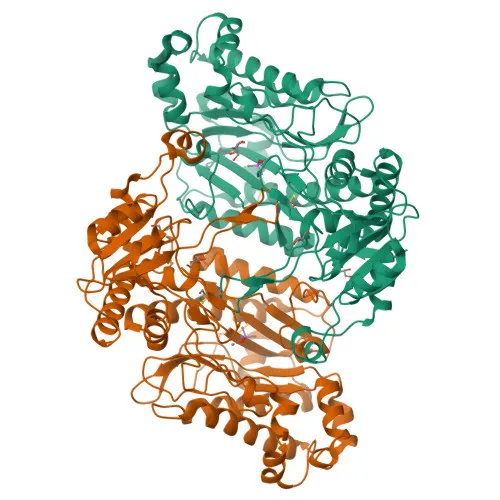
- PEPD, also known as prolidase, is a member of the metalloprotease family that requires manganese as a cofactor for its enzymatic activity.
- It functions as a dipeptidase, catalyzing the hydrolysis of dipeptides with a prolyl (Xaa-Pro) or hydroxyprolyl residue at the C-terminus. Preferred substrates include Gly-Pro, but it can also cleave Ala-Pro, Met-Pro, Phe-Pro, Val-Pro, and Leu-Pro. Related references: PMID:17081196 PMID:35165443
- PEPD plays a crucial role in collagen metabolism due to the high abundance of iminoacids in collagen, facilitating the final steps of collagen degradation. Related references: PMID:2925654
- Post-translational modifications of PEPD include acetylation and phosphorylation, which may regulate its activity or stability.
- Alternative splicing of the PEPD gene generates multiple isoforms, potentially contributing to functional diversity.
- Mutations in PEPD are associated with prolidase deficiency, a rare autosomal recessive disorder characterized by severe skin lesions, intellectual disability, and other systemic manifestations.
Experimental Guidance and Technical Tips
- The immunogen used corresponds to amino acids 288–424 of human PEPD. This region may be conserved across isoforms and species, supporting the reported cross-reactivity with mouse and rat.
- For Western blotting, the predicted molecular weight of PEPD is approximately 54 kDa. Verify the band size in your specific sample system, accounting for possible post-translational modifications or isoform variations.
- In ELISA applications, use appropriate positive and negative controls to establish assay specificity and sensitivity.
- Consider optimizing antibody concentrations and buffer conditions empirically, as performance can vary with experimental design and sample type.
CamelBio: Your One-Stop Sourcing Bridge
CamelBio provides diagnostic manufacturers and research laboratories with comprehensive access to high-quality IVD raw materials, including validated antibody pairs, optimized monoclonal and polyclonal antibodies, and bulk ancillary reagents. This anti-PEPD antibody supports research into collagen metabolism and related disorders, and our team is equipped to assist with customized sourcing for rare targets. Partner with CamelBio to streamline your development pipeline from concept to clinic.
REQUEST A QUOTE
Our professional team will reply to you within one business day. Please feel free to contact us!