Monoclonal Antibodies
Anti-PEBP1 Rabbit Monoclonal Antibody for WB, ELISA - P30086
Item Number : CM0002649
Price varies based on specs and customizations
- Application
- WB, ELISA
- Cross Reactivity
- Human, Mouse, Rat
- Protein Weight
- 21kDa

Shipping:
Contact us to get shipping details Enjoy On-time Dispatch Guarantee.
Why Choose Us
Easy ordering process, quality products, and dedicated support for your business success.
Core Product Specifications and Parameters
| Parameter | Value |
|---|---|
| Product Name | PEBP1 Rabbit mAb |
| Remarks/Alias | PBP; HCNP; PEBP; RKIP; HCNPpp; PEBP-1; HEL-210; HEL-S-34; HEL-S-96; PEBP1 |
| Species | Human |
| Gene ID (Human) | 5037 |
| Gene ID | 5037 |
| Immunogen | Synthetic Peptide - A synthetic peptide corresponding to a sequence within amino acids 1-100 of human PEBP1 (P30086). |
| Source | Rabbit |
| Category | Monoclonal Antibodies |
| Application | WB, ELISA |
| Cross Reactivity | Human, Mouse, Rat |
| SWISS | P30086 |
| Protein Weight | 21kDa |
| Shipping | Ice bag |
Biological Background: PEBP1 Function and Localization
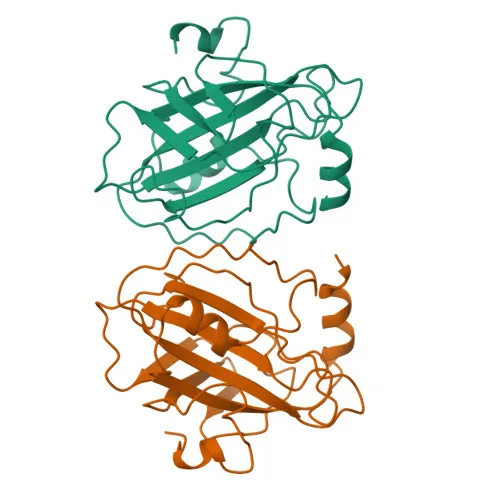
- PEBP1 (Phosphatidylethanolamine-binding protein 1), also known as RKIP, HCNP, and PBP, is a 21 kDa cytosolic protein belonging to the phosphatidylethanolamine-binding protein family. It is encoded by the PEBP1 gene on chromosome 12q24.23.
- The protein binds ATP, opioids, and phosphatidylethanolamine with relatively high affinity, and exhibits lower affinity for phosphatidylinositol and phosphatidylcholine.
- It acts as a serine protease inhibitor, suppressing the activity of thrombin, neuropsin, and chymotrypsin, while not affecting trypsin, tissue-type plasminogen activator, or elastase (by similarity).
- PEBP1 serves as a key negative regulator of the RAF/MEK/ERK signaling cascade by binding to RAF1, disrupting the RAF1-MEK complex, and competitively inhibiting MEK phosphorylation.
- As the precursor of hippocampal cholinergic neurostimulating peptide (HCNP), it enhances choline acetyltransferase production in presynaptic cholinergic neurons, potentially through a specific receptor-mediated mechanism (by similarity).
- The protein undergoes phosphorylation and contains an ATP-binding site; it is localized predominantly in the cytoplasm and has been identified in high-throughput proteomics analyses.
- UniProt lists a molecular weight of 21,057 Da, consistent with the observed 21 kDa band; intramolecular disulfide bonds contribute to its structural stability.
Experimental Guidance and Technical Tips
- The synthetic immunogen (aa 1-100) is designed to be specific to the N-terminal region; confirm specificity by peptide competition assay and sequence alignment across target species.
- For western blotting, a band near 21 kDa is expected in human, mouse, and rat samples; use appropriate positive and negative controls to verify performance.
- Optimize antibody dilutions for individual assay formats; note that recommended starting dilutions from supplier are typical guidelines and should be validated in your specific experimental system.
- When using this antibody in ELISA, consider pairing with a detection antibody that recognizes a distinct epitope to avoid competition.
CamelBio: Your One-Stop Sourcing Bridge
CamelBio offers diagnostic manufacturers and research institutions one-stop access to IVD raw materials, supported by technical and regulatory consulting from concept to commercialization. This anti-PEBP1 (RKIP/HCNP) rabbit monoclonal antibody is suited for investigations into MAPK signaling, neurobiology, and cancer biomarker development. Beyond single-antibody supply, we provide validated antibody pairs, bulk ancillary reagents, and customized sourcing for rare targets to streamline your assay development workflow.
REQUEST A QUOTE
Our professional team will reply to you within one business day. Please feel free to contact us!