Polyclonal Antibodies
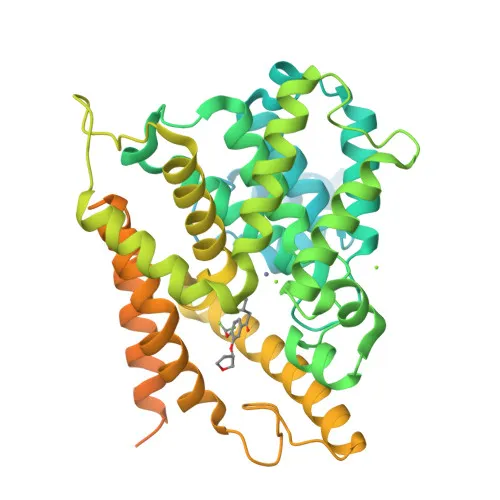
Anti-PDE4D Polyclonal Antibody for WB, ELISA - Q08499
Item Number : CM0018722
Price varies based on specs and customizations
- Application
- WB, ELISA
- Cross Reactivity
- Human, Rat
- Protein Weight
- 91kDa

Shipping:
Contact us to get shipping details Enjoy On-time Dispatch Guarantee.
Why Choose Us
Easy ordering process, quality products, and dedicated support for your business success.
Core Product Specifications and Parameters
| Parameter | Value |
|---|---|
| Product Name | PDE4D Rabbit pAb |
| Remarks/Alias | DPDE3; PDE43; STRK1; ACRDYS2; HSPDE4D; PDE4DN2; PDE4D |
| Species | Human |
| GeneID (Human) | 5144 |
| GeneID | 5144 |
| Immunogen | Recombinant fusion protein containing a sequence corresponding to amino acids 249-518 of human PDE4D (NP_001184152.1) |
| Source | Rabbit |
| Category | Polyclonal Antibodies |
| Application | WB, ELISA |
| Cross Reactivity | Human, Rat |
| SWISS | Q08499 |
| Protein Weight | 91kDa |
| Shipping | Ice bag |
Biological Background: PDE4D Function and Localization
- PDE4D is a cAMP-specific phosphodiesterase that hydrolyzes the second messenger cAMP, a critical regulator of numerous physiological processes including cell signaling and metabolism.
- The protein belongs to the PDE4 family of phosphodiesterases, which are characterized by their high affinity and specificity for cAMP.
- PDE4D is expressed as multiple isoforms via alternative splicing, contributing to functional diversity and tissue-specific regulation.
- Subcellularly, PDE4D localizes to the apical cell membrane, cytoplasm, and specific cytoskeletal structures including the centrosome and microtubule organizing center, suggesting roles in localized cAMP signaling.
- Tissue expression is widespread, with highest levels in skeletal muscle; it is also detected in brain, placenta, lung, kidney, heart, and colonic epithelial cells, indicating broad physiological involvement.
- Post-translational modifications include phosphorylation, isopeptide bond formation, and ubiquitination, which may modulate its activity, stability, and interaction with signaling complexes.
- The PDE4D gene is associated with acrodysostosis (ACRDYS2) and stroke susceptibility (STRK1) when mutated, highlighting its clinical relevance.
Experimental Guidance and Technical Tips
- The immunogen corresponds to a central region (aa 249-518) of PDE4D, which includes part of the catalytic domain; this design may allow detection of multiple isoforms, but isoform-specific validation is recommended.
- For Western blotting, a band around 91 kDa is expected in human and rat samples, though isoform-specific bands may vary; use appropriate loading controls and consider tissue-specific expression patterns.
- In ELISA, the polyclonal nature may provide robust signal, but pairing with a detection antibody targeting a different epitope is advisable for sandwich assays.
- Given the protein’s association with membranes and cytoskeleton, include detergent-based lysis buffers to ensure effective solubilization.
CamelBio: Your One-Stop Sourcing Bridge
CamelBio serves as a comprehensive sourcing partner for diagnostic manufacturers and research laboratories, offering a wide range of IVD raw materials including validated antibody pairs, monoclonal and polyclonal antibodies, and ancillary reagents. For cAMP signaling research, we supply high-quality PDE4D antibodies and can assist in sourcing specialized raw materials tailored to your assay development needs. Our streamlined supply chain ensures consistent delivery of bulk reagents, helping you accelerate your projects from concept to clinic.
REQUEST A QUOTE
Our professional team will reply to you within one business day. Please feel free to contact us!