Polyclonal Antibodies
Anti-PD-L1/CD274 Rabbit Polyclonal Antibody for WB, IHC-P, ELISA - Q9NZQ7
Item Number : CM0017539
Price varies based on specs and customizations
- Application
- WB, IHC-P, ELISA
- Cross Reactivity
- Human, Mouse, Rat
- Protein Weight
- 33kDa

Shipping:
Contact us to get shipping details Enjoy On-time Dispatch Guarantee.
Why Choose Us
Easy ordering process, quality products, and dedicated support for your business success.
Core Product Specifications and Parameters
| Parameter | Value |
|---|---|
| Product Name | PD-L1/CD274 Rabbit pAb |
| Remarks/Alias | B7-H; B7H1; PDL1; PD-L1; hPD-L1; PDCD1L1; PDCD1LG1; PD-L1/CD274 |
| Species | Human |
| GeneID (Human) | 29126 |
| GeneID | 29126 |
| Immunogen | A synthetic peptide corresponding to a sequence within amino acids 19-238 of human PD-L1/CD274 (NP_054862.1). |
| Source | Rabbit |
| Category | Polyclonal Antibodies |
| Application | WB, IHC-P, ELISA |
| Cross Reactivity | Human, Mouse, Rat |
| SWISS | Q9NZQ7 |
| Protein Weight | 33kDa |
| Shipping | Ice bag |
Biological Background: PD-L1 Function and Localization
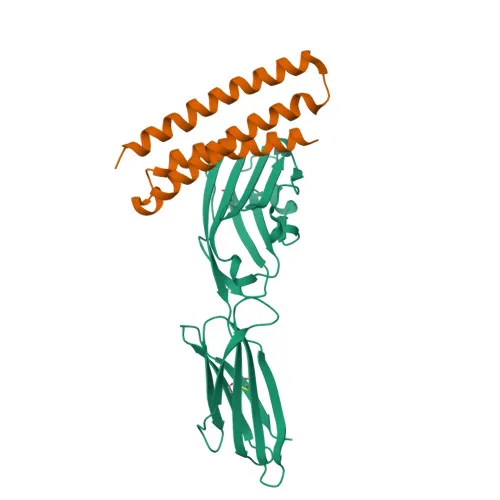
- PD-L1 (Programmed cell death 1 ligand 1), also known as B7-H1 or CD274, is a type I transmembrane protein belonging to the immunoglobulin superfamily. It contains one Ig-like V-type domain and one Ig-like C2-type domain, and undergoes alternative splicing and glycosylation.
- As a ligand for the inhibitory receptor PDCD1/PD-1, PD-L1 plays a critical role in maintaining peripheral immune tolerance, modulating the activation threshold of T-cells and limiting T-cell effector responses. Related references: PMID:11015443 PMID:28813410 PMID:28813417
- The PDCD1-mediated inhibitory pathway is exploited by tumors to suppress anti-tumor immunity, enabling immune evasion. Blockade of PD-L1/PD-1 interaction can reverse T-cell exhaustion and restore anti-tumor responses, underpinning its importance in cancer immunotherapy. Related references: PMID:28813410 PMID:28813417
- PD-L1 may also costimulate T-cell subsets that predominantly produce interleukin-10 (IL-10) through an unknown activating receptor. Related references: PMID:10581077
- In response to hypoxia, PD-L1 can translocate into the nucleus via interaction with phosphorylated STAT3, where it acts as a transcription coactivator to promote GSDMC transcription and induce pyroptosis. Related references: PMID:32929201
- Subcellularly, PD-L1 is primarily localized on the cell membrane, but is also found on early and recycling endosomes, in the nucleus, and can be secreted.
- Tissue expression is broad; PD-L1 is highly expressed in the heart, skeletal muscle, placenta, and lung, with moderate expression in immune cells including activated T- and B-cells, dendritic cells, and monocytes.
Experimental Guidance and Technical Tips
- The immunogen (extracellular domain residues 19–238) targets a region likely accessible on native PD-L1, making this antibody suitable for detection of both membrane-bound and soluble forms. For Western blot, consider using reducing conditions and load an appropriate amount of protein; a band around 33kDa is expected.
- For IHC-P, antigen retrieval (heat-induced in citrate buffer, pH 6.0) may enhance detection; titrate antibody to optimize specific staining. Validate in known positive tissues such as placenta or tumor samples.
- Given cross-reactivity with mouse and rat, this antibody can be used for interspecies studies. In such cases, verify signal specificity using appropriate controls (e.g., knockout tissue).
- Since PD-L1 is often glycosylated and may appear as a smear or multiple bands in some systems, denaturing and reducing conditions are recommended for WB.
CamelBio: Your One-Stop Sourcing Bridge
CamelBio provides diagnostic manufacturers and research laboratories with a comprehensive range of IVD raw materials and technical support, from target discovery to clinical application. This anti-PD-L1 antibody is part of our immune checkpoint portfolio, complemented by validated pairs, recombinant proteins, and ancillary reagents. For customized bulk orders or sourcing of rare targets, CamelBio ensures reliable supply and expert consultation to accelerate your assay development.
Product Datasheet
Anti-PD-L1/CD274 Rabbit Polyclonal Antibody for WB, IHC-P, ELISA - Q9NZQ7
REQUEST A QUOTE
Our professional team will reply to you within one business day. Please feel free to contact us!