Polyclonal Antibodies
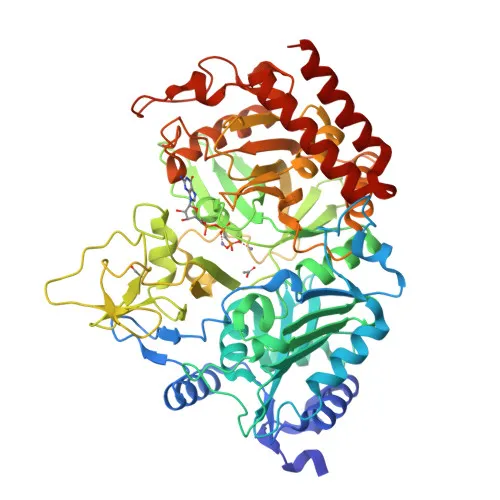
Anti-PCK1 Rabbit Polyclonal Antibody for WB - P35558
Item Number : CM0020916
Price varies based on specs and customizations
- Application
- WB, IP, IF/ICC, IF-P, ELISA
- Cross Reactivity
- Human, Mouse, Rat
- Protein Weight
- 69kDa

Shipping:
Contact us to get shipping details Enjoy On-time Dispatch Guarantee.
Why Choose Us
Easy ordering process, quality products, and dedicated support for your business success.
Core Product Specifications and Parameters
| Parameter | Value |
|---|---|
| Product Name | PCK1 Rabbit pAb |
| Remarks/Alias | PCKDC; PEPCK1; PEPCKC; PEPCK-C; PCK1 |
| Species | Human |
| GeneID (Human) | 5105 |
| GeneID | 5105 |
| Immunogen | Recombinant protein|Recombinant fusion protein containing a sequence corresponding to amino acids 490-622 of human PCK1 (NP_002582.3). |
| Source | Rabbit |
| Category | Polyclonal Antibodies |
| Application | WB, IP, IF/ICC, IF-P, ELISA |
| Cross Reactivity | Human, Mouse, Rat |
| SWISS | P35558 |
| Protein Weight | 69kDa |
| Shipping | Ice bag |
Biological Background: PCK1 Function and Localization
- Catalyzes reversible decarboxylation and phosphorylation of oxaloacetate to phosphoenolpyruvate (PEP), serving as the rate-limiting enzyme in gluconeogenesis.
Related references: PMID:24863970, PMID:26971250, PMID:28216384 - Regulates cataplerosis and anaplerosis: at low glucose, converts oxaloacetate to PEP; at high glucose, promotes the reverse reaction to replenish citric acid cycle intermediates.
Related references: PMID:30193097 - Acts as a protein kinase when phosphorylated at Ser-90 by AKT1, translocating to the endoplasmic reticulum to phosphorylate INSIG proteins, thereby activating SREBP-mediated lipogenesis.
Related references: PMID:32322062 - Predominantly expressed in liver, kidney, and adipocytes.
- Subcellular localization includes cytoplasm, cytosol, and endoplasmic reticulum.
- Requires GTP and manganese as cofactors; undergoes acetylation, phosphorylation, and ubiquitination that modulate activity and stability.
- Alternative splicing generates multiple isoforms with potential functional diversity.
Experimental Guidance and Technical Tips
- For Western blot, optimize dilution between 1:500 and 1:2000 using liver or kidney lysates as positive controls. The predicted band is ~69 kDa.
- In immunoprecipitation, consider using 1–2 µg antibody per 500 µg lysate under standard non-denaturing conditions.
- For immunofluorescence, fix and permeabilize cells; PCK1 signal is expected in the cytoplasm and ER, not at the plasma membrane.
- ELISA: The antibody can be used as a capture or detection reagent; pairing with a validated matched antibody is recommended for sandwich assays.
- Validate cross-reactivity in mouse and rat samples before large-scale studies.
CamelBio: Your One-Stop Sourcing Bridge
CamelBio connects diagnostic developers and researchers with premium IVD raw materials, from validated antibody pairs and recombinant proteins to bulk ancillary reagents. This anti-PCK1 polyclonal antibody supports metabolic disease and gluconeogenesis studies, and our team can assist with customized sourcing for rare targets, matched detection pairs, and scalable manufacturing solutions. Tell us your workflow needs, and we’ll bridge the gap from concept to clinic.
REQUEST A QUOTE
Our professional team will reply to you within one business day. Please feel free to contact us!