Monoclonal Antibodies
Anti-Paxillin Monoclonal Antibody for WB, ELISA - P49023
Item Number : CM0003674
Price varies based on specs and customizations
- Application
- WB, ELISA
- Cross Reactivity
- Human, Mouse, Rat
- Protein Weight
- 65kDa/61kDa/66kDa/47kDa

Shipping:
Contact us to get shipping details Enjoy On-time Dispatch Guarantee.
Why Choose Us
Easy ordering process, quality products, and dedicated support for your business success.
Core Product Specifications and Parameters
| Parameter | Value |
|---|---|
| Product Name | Paxillin Rabbit mAb |
| Remarks/Alias | Paxillin; PXN; paxillin |
| Species | Human |
| Gene ID (Human) | 5829 |
| Gene ID | 5829 |
| Immunogen | Synthetic Peptide|A synthetic peptide corresponding to a sequence within amino acids 1-100 of human Paxillin (P49023). |
| Source | Rabbit |
| Category | Monoclonal Antibodies |
| Application | WB, ELISA |
| Cross Reactivity | Human, Mouse, Rat |
| SWISS | P49023 |
| Protein Weight | 65kDa/61kDa/66kDa/47kDa |
| Shipping | Ice bag |
Biological Background: Paxillin Function and Localization
- Paxillin is a cytoskeletal protein primarily involved in linking actin filaments to the extracellular matrix at focal adhesions.
- It serves as a scaffold to recruit signaling and structural proteins, such as TRIM15, to sites of cell adhesion, facilitating dynamic regulation of cell migration and morphology.
- Encoded by the PXN gene, paxillin undergoes alternative splicing, leading to multiple isoforms that may account for observed molecular weight variations (e.g., 65 kDa, 61 kDa, 66 kDa, 47 kDa).
- The protein localizes to the cytoplasm, cytoskeleton, and cell cortex, with enrichment at cell junctions and focal adhesions.
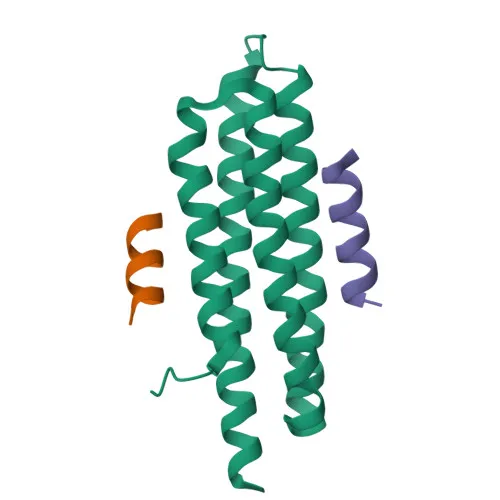
- Paxillin contains LIM domains and zinc-binding motifs, classifying it as a LIM domain protein involved in protein-protein interactions.
- It is subject to regulatory post‑translational modifications, including phosphorylation and acetylation, which modulate its activity and binding partners.
- As a phosphoprotein, paxillin plays a critical role in integrin signaling, linking extracellular cues to intracellular pathways controlling adhesion, spreading, and motility.
Experimental Guidance and Technical Tips
- The immunogen corresponds to an N‑terminal peptide (amino acids 1–100) of human paxillin; consider this sequence coverage when designing site‑specific detection assays.
- Recombinant rabbit monoclonal antibodies typically offer consistent specificity; nonetheless, validation in the relevant sample system (e.g., human, mouse, or rat cell lysates) is recommended.
- Western blot (WB) may detect multiple bands due to isoforms or post‑translational modifications; use appropriate controls to confirm target identity.
- For ELISA, standard titration and blocking protocols should be optimized to minimize nonspecific binding, especially in complex matrices.
- Given the cross‑reactivity across human, mouse, and rat, this antibody may be suitable for comparative studies in these species; verify reactivity with the specific experimental model.
CamelBio: Your One-Stop Sourcing Bridge
CamelBio supports diagnostic developers and researchers by providing reliable access to IVD raw materials like the Paxillin Rabbit mAb, a critical tool for investigating focal adhesion dynamics and cell adhesion pathways. As a comprehensive sourcing partner, we offer validated antibody pairs, optimized monoclonal and polyclonal antibodies, bulk ancillary reagents, andassistance in procuring rare‑target reagents to streamline your project from concept to clinic.
REQUEST A QUOTE
Our professional team will reply to you within one business day. Please feel free to contact us!