Polyclonal Antibodies
Anti-PAX3 Rabbit Polyclonal Antibody for WB, IHC-P, IF/ICC, ELISA - P23760
Item Number : CM0019638
Price varies based on specs and customizations
- Application
- WB, IHC-P, IF/ICC, ELISA
- Cross Reactivity
- Human, Mouse, Rat
- Protein Weight
- 53 kDa

Shipping:
Contact us to get shipping details Enjoy On-time Dispatch Guarantee.
Why Choose Us
Easy ordering process, quality products, and dedicated support for your business success.
Core Product Specifications and Parameters
| Parameter | Value |
|---|---|
| Product Name | PAX3 Rabbit pAb |
| Remarks/Alias | WS1; WS3; CDHS; HUP2; PAX-3; PAX3 |
| Species | Human |
| Gene ID (Human) | 5077 |
| Gene ID | 5077 |
| Immunogen | Recombinant protein|Recombinant fusion protein containing a sequence corresponding to amino acids 1-236 of human PAX3 (NP_852122.1). |
| Source | Rabbit |
| Category | Polyclonal Antibodies |
| Application | WB, IHC-P, IF/ICC, ELISA |
| Cross Reactivity | Human, Mouse, Rat |
| SWISS | P23760 |
| Protein Weight | 53 kDa |
| Shipping | Ice bag |
Biological Background: PAX3 Function and Localization
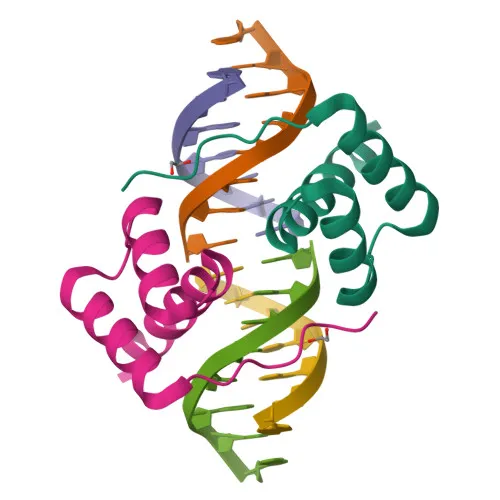
- PAX3 is a member of the paired box (PAX) family of transcription factors, also known as HuP2 or PAX-3, encoded by the PAX3 gene.
- It functions as a transcriptional regulator involved in cell proliferation, migration, and apoptosis, and plays essential roles in neural development and myogenesis.
- PAX3 acts as a transcriptional activator of the MITF gene, cooperating synergistically with SOX10.
Related references:
PMID:21965087 - The protein localizes predominantly to the nucleus, consistent with its function as a DNA-binding transcription factor.
- Mutations in PAX3 are associated with Waardenburg syndrome types 1 and 3 (WS1, WS3) and craniofacial-deafness-hand syndrome (CDHS), reflecting its importance in developmental processes.
- PAX3 is subject to chromosomal rearrangements that contribute to oncogenesis, such as in alveolar rhabdomyosarcoma, and is classified as a proto-oncogene.
- Post-translational modifications of PAX3 include phosphorylation, which may modulate its activity and interactions.
- Alternative splicing generates multiple transcript variants encoding different isoforms, possibly contributing to functional diversity.
Experimental Guidance and Technical Tips
- The immunogen corresponds to the N-terminal region (amino acids 1–236) of human PAX3 (isoform 1). This region contains the paired domain and is highly conserved across human, mouse, and rat, supporting the reported cross-reactivity.
- For Western blot, a specific band near the predicted molecular weight of 53 kDa is anticipated. Optimize protein loading and transfer conditions for best results.
- In immunohistochemistry (paraffin-embedded) and immunofluorescence, validate antigen retrieval methods (e.g., heat-induced epitope retrieval) and fixation protocols to ensure adequate signal.
- For ELISA, consider coating with recombinant PAX3 protein or peptide and use appropriate blocking and detection strategies. Titrate antibody concentrations to achieve optimal signal-to-noise ratio.
- Multiple transcript variants exist, so depending on the cell or tissue type, additional isoforms may be detected. Confirm expected molecular weights using appropriate controls.
CamelBio: Your One-Stop Sourcing Bridge
CamelBio streamlines the sourcing of high-quality IVD raw materials, offering validated antibody pairs, optimized monoclonal and polyclonal antibodies, and bulk ancillary reagents. With a focus on rare and critical targets like PAX3, we support research in neural development, myogenesis, and genetic disorders such as Waardenburg syndrome. Let CamelBio be your efficient partner, bridging the gap from concept to clinic with reliable material supply and technical support.
Product Datasheet
Anti-PAX3 Rabbit Polyclonal Antibody for WB, IHC-P, IF/ICC, ELISA - P23760
REQUEST A QUOTE
Our professional team will reply to you within one business day. Please feel free to contact us!