Polyclonal Antibodies
Anti-PARP4 Rabbit Polyclonal Antibody for WB, ELISA - Q9UKK3
Item Number : CM0022485
Price varies based on specs and customizations
- Application
- WB, ELISA
- Cross Reactivity
- Human, Mouse, Rat
- Protein Weight
- 193kDa

Shipping:
Contact us to get shipping details Enjoy On-time Dispatch Guarantee.
Why Choose Us
Easy ordering process, quality products, and dedicated support for your business success.
Core Product Specifications and Parameters
| Parameter | Value |
|---|---|
| Product Name | PARP4 Rabbit pAb |
| Remarks/Alias | PH5P; p193; ARTD4; PARPL; VPARP; VWA5C; PARP-4; VAULT3; ADPRTL1; PARP4 |
| Species | Human |
| GeneID (human) | 143 |
| GeneID | 143 |
| Immunogen | Recombinant protein |
| Source | Rabbit |
| Category | Polyclonal Antibodies |
| Application | WB, ELISA |
| Cross Reactivity | Human, Mouse, Rat |
| SWISS | Q9UKK3 |
| Protein Weight | 193kDa |
| Shipping | Ice bag |
Biological Background: PARP4 Function and Localization
- PARP4 is a mono-ADP-ribosyltransferase that mediates the transfer of ADP-ribose to target proteins, a post-translational modification involved in various cellular processes.
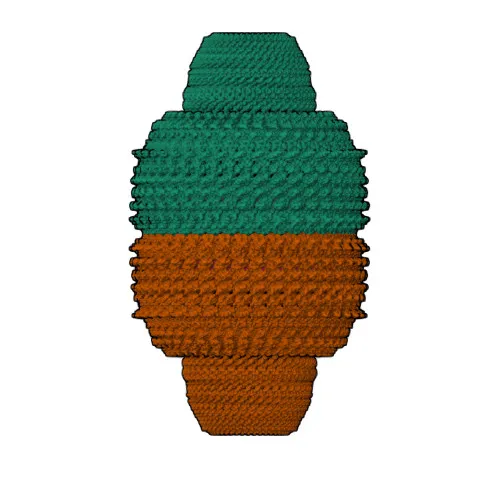
Related references: PMID:25043379 - It is a major component of the vault ribonucleoprotein complex, the largest known ribonucleoprotein particle, which is implicated in cargo transport and signal transduction.
Related references: PMID:40691181 - PARP4 belongs to the poly(ADP-ribose) polymerase family and is also known as ARTD4 (ADP-ribosyltransferase diphtheria toxin-like 4), sharing conserved domains with other PARP enzymes.
- The protein localizes to both the cytoplasm and the nucleus, and additionally associates with the cytoskeleton and mitotic spindle, suggestive of dynamic roles in cell architecture and division.
- Post-translational modifications include phosphorylation and methylation, which may regulate its enzymatic activity and inter-molecular interactions.
- PARP4 is widely expressed, with the highest levels observed in the kidney; significant expression is also found in heart, placenta, lung, liver, skeletal muscle, spleen, leukocytes, and pancreas.
Experimental Guidance and Technical Tips
- The immunogen corresponds to the N-terminal 1–300 amino acids of human PARP4. This region is conserved in mouse and rat, which correlates with the observed cross-reactivity; however, sequence alignment should be confirmed for other species.
- For Western blot, a band near 193 kDa is expected for full-length PARP4. Signal intensity may vary depending on sample type, lysis buffer, and endogenous expression levels; consider using whole-cell lysates from kidney or other PARP4-expressing tissues.
- In ELISA applications, antibody concentration and coating conditions should be empirically optimized. Cross-reactivity with other PARP family members or unrelated proteins should be ruled out using appropriate controls.
- Because PARP4 is a component of the vault complex, immunoprecipitation and co-immunoprecipitation experiments may require mild lysis conditions (e.g., non-denaturing detergents) to preserve protein-protein interactions. Always validate antibody specificity with knockdown or knockout controls.
CamelBio: Your One-Stop Sourcing Bridge
CamelBio offers a streamlined sourcing experience for IVD raw materials, supplying validated antibody pairs, bulk reagents, and ancillary products for PARP4-targeted assay development. From monoclonal and polyclonal antibodies to rare target reagents, our supply chain supports diagnostic manufacturers with one-step access to high-quality materials and technical consulting. Whether you need optimized antibodies for sandwich ELISA or consistent lot-to-lot performance in Western blot, CamelBio is equipped to bridge the gap from concept to clinic.
REQUEST A QUOTE
Our professional team will reply to you within one business day. Please feel free to contact us!