Polyclonal Antibodies
Anti-pan 14-3-3 Rabbit Polyclonal Antibody for WB, ELISA - P27348 / P31946 / P61981 / P62258 / P63104 / Q04917 / P31947
Item Number : CM0022017
Price varies based on specs and customizations
- Application
- WB, ELISA
- Cross Reactivity
- Human, Mouse, Rat, African green monkey
- Protein Weight
- 27kDa/28kDa

Shipping:
Contact us to get shipping details Enjoy On-time Dispatch Guarantee.
Why Choose Us
Easy ordering process, quality products, and dedicated support for your business success.
Core Product Specifications and Parameters
| Parameter | Value |
|---|---|
| Product Name | pan 14-3-3 Rabbit pAb |
| Remarks/Alias | YWHA; S1C5; HS1; 14-3-3; pan 14-3-3 |
| Species | Human |
| GeneID (human) | 10971/7529/7532/7531/7534/7533/2810 |
| GeneID | 10971/7529/7532/7531/7534/7533/2810 |
| Immunogen | Recombinant protein of human pan 14-3-3 |
| Source | Rabbit |
| Category | Polyclonal Antibodies |
| Application | WB, ELISA |
| Cross Reactivity | Human, Mouse, Rat, African green monkey |
| SWISS | P27348/P31946/P61981/P62258/P63104/Q04917/P31947 |
| Protein Weight | 27kDa/28kDa |
| Shipping | Ice bag |
Biological Background: 14-3-3 Protein Family Function and Localization
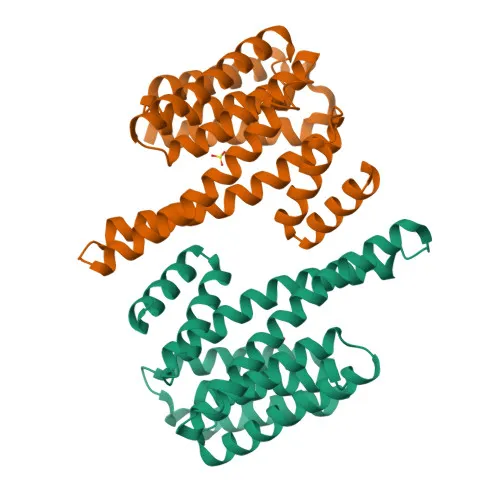
- The 14-3-3 protein family consists of highly conserved adapter proteins that regulate a broad spectrum of general and specialized signaling pathways.
- These proteins bind to phosphorylated serine/threonine motifs on numerous partners, thereby modulating their activity, localization, and stability.
- 14-3-3 protein theta (encoded by P27348), also known as 14-3-3 protein tau or HS1, is expressed abundantly in brain, heart, and pancreas, with lower levels in kidney and placenta.
- Subcellularly, 14-3-3 proteins localize predominantly to the cytoplasm, where they interact with diverse signaling molecules.
- Key post-translational modifications on 14-3-3 theta include acetylation, nitration, phosphorylation, and ubiquitination, which may fine-tune its regulatory functions.
- 14-3-3 theta negatively regulates the kinase activity of PDPK1 and is upregulated in the lumbar spinal cord of sporadic ALS patients with predominant lower motor neuron involvement.
Experimental Guidance and Technical Tips
- For Western blotting, consider an initial dilution range of 1:500 to 1:2000, with optimization by dilution series in the relevant sample system.
- When studying phosphorylation-dependent interactions, use blocking buffers designed for phospho-specific antibodies, as 14-3-3 proteins bind phosphoserine/threonine motifs.
- In ELISA applications, confirm coating antigen compatibility and validate performance with appropriate positive and negative controls.
- Due to pan reactivity, multiple bands near 27–28 kDa may appear; verify isoform specificity using isoform-specific antibodies if discrimination is needed.
- The recombinant full-length immunogen suggests the antibody may recognize both native and denatured conformations; for reducing SDS-PAGE, include reducing agents like DTT or β-mercaptoethanol.
CamelBio: Your One-Stop Sourcing Bridge
CamelBio provides diagnostic manufacturers and research institutes with streamlined access to validated antibody pairs, optimized monoclonal and polyclonal antibodies, bulk ancillary reagents, and rare target raw-material sourcing for 14-3-3 and cell signaling research. Our one-stop procurement platform supports your workflow from assay development to clinical validation, ensuring robust supply chain continuity for high-performance IVD kits. This pan 14-3-3 Rabbit pAb exemplifies our commitment to supplying specific and versatile detection reagents for multigene families.
Product Datasheet
Anti-pan 14-3-3 Rabbit Polyclonal Antibody for WB, ELISA - P27348 / P31946 / P61981 / P62258 / P63104 / Q04917 / P31947
REQUEST A QUOTE
Our professional team will reply to you within one business day. Please feel free to contact us!