Monoclonal Antibodies
Anti-Palladin Rabbit mAb for WB, ELISA - Q8WX93
Item Number : CM0005210
Price varies based on specs and customizations
- Application
- WB, ELISA
- Cross Reactivity
- Human
- Protein Weight
- 151kDa

Shipping:
Contact us to get shipping details Enjoy On-time Dispatch Guarantee.
Why Choose Us
Easy ordering process, quality products, and dedicated support for your business success.
Core Product Specifications and Parameters
| Parameter | Value |
|---|---|
| Product Name | Palladin Rabbit mAb |
| Remarks/Alias | MYN; PNCA1; CGI151; SIH002; CGI-151; Palladin |
| Species | Human |
| Gene ID | 23022 |
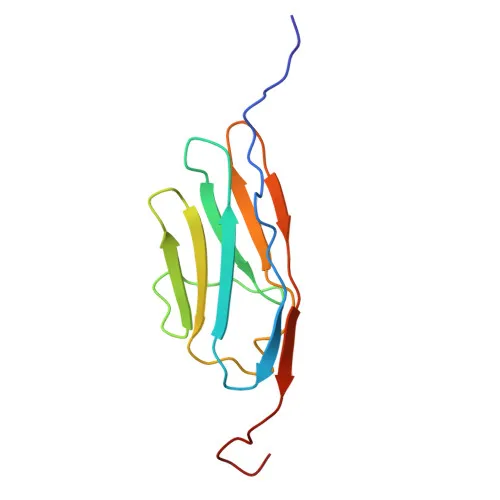
| Immunogen | Recombinant fusion protein containing a sequence corresponding to amino acids 1-100 of human Palladin (NP_001159582.1) |
| Source | Rabbit |
| Category | Monoclonal Antibodies |
| Application | WB, ELISA |
| Cross Reactivity | Human |
| SWISS | Q8WX93 |
| Protein Weight | 151kDa |
| Shipping | Ice bag |
Biological Background: Palladin Function and Localization
- Palladin is a cytoskeletal protein essential for organizing the actin cytoskeleton, influencing cell morphology, motility, adhesion, and cell-extracellular matrix interactions (FUNCTION).
- It may serve as a scaffolding molecule that modulates actin polymerization and the assembly of actin filaments into higher-order structures, interacting with both monomeric and filamentous actin-binding proteins (FUNCTION).
- Palladin localizes to dynamic actin-rich sites, including lamellipodia, membrane ruffles, podosomes, focal adhesions, sarcomeric Z-lines, and neuronal growth cones (SUBCELLULAR LOCATION).
- The protein is expressed in both muscle and non-muscle tissues, with high levels in prostate, ovary, colon, and kidney, but low or absent in spleen, skeletal muscle, lung, and peripheral blood lymphocytes (TISSUE SPECIFICITY).
- Overexpression has been observed in several sporadic pancreatic cancer cell lines (TISSUE SPECIFICITY).
- Alternative splicing generates multiple isoforms, which may have functional differences (FUNCTION; KEYWORDS: Alternative splicing).
- Post-translational modifications include phosphorylation, and the presence of immunoglobulin-like domains and disulfide bonds (KEYWORDS: Phosphoprotein, Disulfide bond, Immunoglobulin domain, Repeat).
- Palladin is also involved in targeting alpha-actinin (ACTN) to specific subcellular foci and plays a role in dendritic cell maturation (FUNCTION).
Experimental Guidance and Technical Tips
- The immunogen spans amino acids 1-100 of human Palladin (NP_001159582.1); verify reactivity with your isoform(s) of interest, as alternative splicing may produce variants lacking this N-terminal region.
- In Western blotting, expect a band around 150-151 kDa; molecular weight may shift due to phosphorylation and isoform diversity. Validate using a palladin-positive cell lysate.
- This antibody is recommended for ELISA; optimize coating conditions and detection with an appropriate anti-rabbit secondary antibody.
- Cross-reactivity has been confirmed for human samples; for other species, perform empirical validation.
- If adapting for immunocytochemistry, consider fixation and permeabilization protocols that preserve cytoskeletal structures.
CamelBio: Your One-Stop Sourcing Bridge
CamelBio streamlines the procurement of IVD raw materials, including validated monoclonal antibodies like this anti-Palladin clone. Whether you require antibody pairs for ELISA development, bulk production-grade antibodies, or ancillary reagents for cytoskeleton and oncology research, our integrated supply chain supports your development pathway from concept to clinic.
REQUEST A QUOTE
Our professional team will reply to you within one business day. Please feel free to contact us!