Polyclonal Antibodies
Anti-PAIP1 Polyclonal Antibody for WB, ELISA - Q9H074
Item Number : CM0026007
Price varies based on specs and customizations
- Application
- WB, ELISA
- Cross Reactivity
- Human, Mouse, Rat
- Protein Weight
- 54kDa

Shipping:
Contact us to get shipping details Enjoy On-time Dispatch Guarantee.
Why Choose Us
Easy ordering process, quality products, and dedicated support for your business success.
Core Product Specifications and Parameters
| Parameter | Value |
|---|---|
| Product Name | PAIP1 Rabbit pAb |
| Remarks/Alias | PAIP1 |
| Species | Human |
| Gene ID | 10605 |
| Immunogen | Recombinant fusion protein containing a sequence corresponding to amino acids 1-260 of human PAIP1 (NP_877590.1) |
| Source | Rabbit |
| Category | Polyclonal Antibodies |
| Application | WB, ELISA |
| Cross Reactivity | Human, Mouse, Rat |
| SWISS | Q9H074 |
| Protein Weight | 54kDa |
| Shipping | Ice bag |
Biological Background: PAIP1 Function and Localization
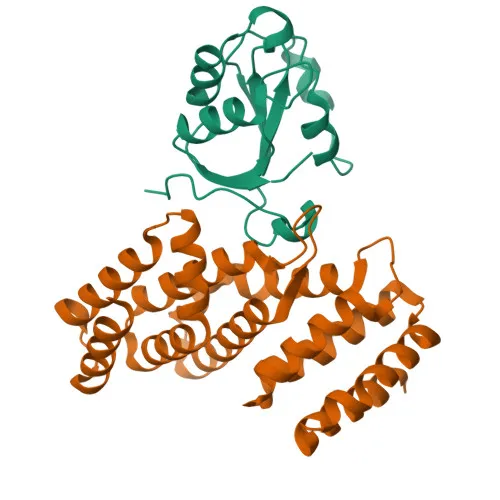
- Polyadenylate-binding protein-interacting protein 1 (PAIP1) functions as a coactivator of translation initiation for poly(A)-containing mRNAs, enhancing protein synthesis.
- Its stimulatory activity is mediated through interaction with PABPC1, where it competes with the inhibitory protein PAIP2 for binding.
- PAIP1 associates with EIF4A and PABPC1, potentially bridging the 5' and 3' ends of mRNA to facilitate efficient translation.
- The protein is implicated in translationally coupled mRNA turnover and plays a role in the cytoplasmic deadenylation and decay interplay of FOS mRNA via the major coding-region determinant of instability (mCRD) domain.
- Upon infection with SARS coronavirus, PAIP1 interacts with the viral NSP3 protein, which is important for viral protein synthesis.
- Subcellular localization is primarily cytoplasmic, consistent with its role in translation regulation.
- The protein undergoes post-translational modifications including acetylation and methylation, and multiple isoforms exist due to alternative splicing.
Experimental Guidance and Technical Tips
- The immunogen covers the N-terminal region (aa 1–260), which is conserved across human, mouse, and rat PAIP1; verify cross-reactivity in your specific sample system.
- For Western blot, an observed band at ~54 kDa is expected; consider using positive control lysates from human, mouse, or rat cell lines.
- For ELISA applications, optimize coating concentration and detection conditions empirically; the polyclonal nature may require batch-to-batch re-optimization.
- When investigating translation regulation, confirm PAIP1 knockdown or overexpression effects on target mRNA translation in your experimental model.
CamelBio: Your One-Stop Sourcing Bridge
CamelBio offers this anti-PAIP1 polyclonal antibody as part of a comprehensive IVD raw-material portfolio supporting translation and RNA biology research. From validated antibody pairs and optimized monoclonal/polyclonal antibodies to bulk ancillary reagents, we provide reliable sourcing solutions that help diagnostic manufacturers accelerate assay development. Contact us to explore custom supply options tailored to your unique workflow requirements.
REQUEST A QUOTE
Our professional team will reply to you within one business day. Please feel free to contact us!