Monoclonal Antibodies
Anti-PAH Monoclonal Antibody for WB, IF/ICC, IF-P, ELISA - P00439
Item Number : CM0002417
Price varies based on specs and customizations
- Application
- WB, IF/ICC, IF-P, ELISA
- Cross Reactivity
- Human, Mouse, Rat
- Protein Weight
- 52kDa

Shipping:
Contact us to get shipping details Enjoy On-time Dispatch Guarantee.
Why Choose Us
Easy ordering process, quality products, and dedicated support for your business success.
Core Product Specifications and Parameters
| Parameter | Value |
|---|---|
| Product Name | PAH Rabbit mAb |
| Remarks/Alias | PH; PKU; PKU1; PAH |
| Species | Human |
| Gene ID | 5053 |
| Immunogen | Synthetic peptide corresponding to a sequence within amino acids 1-100 of human PAH (P00439) |
| Source | Rabbit |
| Category | Monoclonal Antibodies |
| Application | WB, IF/ICC, IF-P, ELISA |
| Cross Reactivity | Human, Mouse, Rat |
| SWISS | P00439 |
| Protein Weight | 52kDa |
| Shipping | Ice bag |
Biological Background: PAH Function and Localization
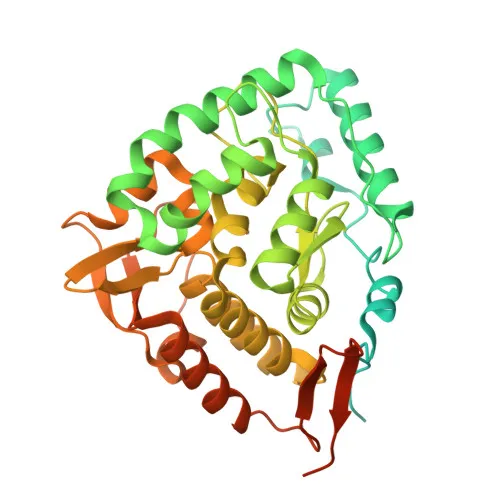
- Phenylalanine-4-hydroxylase (PAH), also known as Phe-4-monooxygenase, is encoded by the PAH gene. It is the key enzyme in phenylalanine catabolism, catalyzing the hydroxylation of L-phenylalanine to L-tyrosine.
- As a member of the aromatic amino acid hydroxylase family, PAH requires iron as a cofactor and operates as an allosteric enzyme, with its activity tightly regulated by substrate and cofactor binding.
- PAH is post-translationally modified by phosphorylation, which modulates its catalytic function and protein stability.
- Genetic variants in PAH are linked to phenylketonuria (PKU), an autosomal recessive metabolic disorder characterized by accumulation of phenylalanine, leading to intellectual disability if untreated. The enzyme is listed under disease variants for phenylketonuria in UniProt.
- Proteomics-based identification confirms PAH expression across multiple tissues, although its primary role is hepatic.
Experimental Guidance and Technical Tips
- The immunogen is a synthetic peptide from the N-terminal region (amino acids 1–100), suggesting the antibody likely recognizes a linear epitope. Consider whether the target epitope is accessible in native or fixed conformations for each application.
- For Western blot, a band at approximately 52 kDa is expected under reducing conditions. Include appropriate positive controls (e.g., human, mouse, or rat liver lysates) and a molecular weight marker.
- In immunofluorescence (IF/ICC) and IF-P, validate fixation and permeabilization methods, as the epitope may be sensitive to cross-linking or masking. Testing multiple conditions is recommended.
- For ELISA, use the antibody as a capture or detection reagent after confirming reactivity with the recombinant or native antigen in your assay system. Pairing with a different clonal antibody may enhance sensitivity.
- Cross-reactivity with human, mouse, and rat PAH is indicated; however, always confirm specificity in the relevant species and tissue context, as sequence homology with other hydroxylases could lead to off-target binding.
CamelBio: Your One-Stop Sourcing Bridge
CamelBio serves as a comprehensive sourcing partner for IVD manufacturers and research institutions, offering streamlined access to critical raw materials such as this anti-PAH monoclonal antibody. With deep expertise in enzyme-related biomarker development, we provide validated antibody pairs, bulk ancillary reagents, and rare-target sourcing services to support your phenylketonuria diagnostics and phenylalanine metabolism research. Our one-stop platform accelerates your transition from concept to clinic, ensuring reliable supply and technical consistency.
REQUEST A QUOTE
Our professional team will reply to you within one business day. Please feel free to contact us!