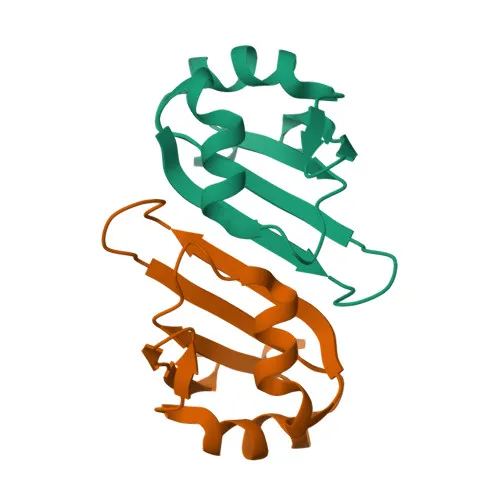
Monoclonal Antibodies
Anti-PABPN1 Rabbit Monoclonal Antibody for WB, IF/ICC, IF-P, IHC-P, ELISA - Q86U42
Item Number : CM0003130
Price varies based on specs and customizations
- Application
- WB, IF/ICC, IF-P, IHC-P, ELISA
- Cross Reactivity
- Human, Mouse, Rat
- Protein Weight
- 31kDa/33kDa

Shipping:
Contact us to get shipping details Enjoy On-time Dispatch Guarantee.
Why Choose Us
Easy ordering process, quality products, and dedicated support for your business success.
Core Product Specifications and Parameters
| Parameter | Value |
|---|---|
| Product Name | PABPN1 Rabbit mAb |
| Remarks/Alias | OPMD, PAB2, PABII, PABP2, PABP-2, PABPN1 |
| Species | Human |
| Gene ID (Human) | 8106 |
| Gene ID | 8106 |
| Immunogen | A synthetic peptide corresponding to a sequence within amino acids 1-100 of human PABPN1 (Q86U42). |
| Source | Rabbit |
| Category | Monoclonal Antibodies |
| Application | WB, IF/ICC, IF-P, IHC-P, ELISA |
| Cross Reactivity | Human, Mouse, Rat |
| SWISS | Q86U42 |
| Protein Weight | 31kDa/33kDa |
| Shipping | Ice bag |
Biological Background: PABPN1 Function and Localization
- PABPN1, also known as Polyadenylate-binding protein 2, Nuclear poly(A)-binding protein 1, or Poly(A)-binding protein II, is a ubiquitously expressed RNA-binding protein.
- It plays a key role in the 3'-end formation of mRNA precursors by stimulating poly(A) polymerase (PAPOLA) to add a poly(A) tail of 200–250 nucleotides, increasing polymerase processivity and controlling tail length.
- PABPN1 is involved in multiple stages of mRNA metabolism, including nucleocytoplasmic trafficking and nonsense-mediated decay (NMD).
- It cooperates with SKIP to synergistically activate E-box-mediated transcription through MYOD1, potentially regulating muscle-specific gene expression. Related references: PMID:11371506
- As a subunit of the trimeric poly(A) tail exosome targeting (PAXT) complex, PABPN1 directs a subset of long and polyadenylated RNAs for exosomal degradation. Related references: PMID:27871484
- The protein binds poly(A) and poly(G) with high affinity and may protect the poly(A) tail from degradation.
- Subcellular localization includes the nucleus, nuclear speckles, and cytoplasm.
- Post-translational modifications include acetylation, methylation, and phosphorylation; mutations in PABPN1, such as a GCG trinucleotide repeat expansion, are associated with oculopharyngeal muscular dystrophy (OPMD).
Experimental Guidance and Technical Tips
- As a rabbit monoclonal antibody, it offers high specificity and low background; consider validating in your specific assay system.
- The immunogen corresponds to the N-terminal 1–100 amino acids of human PABPN1; thus, the antibody may recognize the N-terminal region.
- For Western blot, the predicted molecular weight is around 31–33 kDa; note that the endogenous protein may exhibit a slightly different mobility due to post-translational modifications.
- In immunofluorescence (IF/ICC) and IF-P, expect nuclear and nuclear speckle staining patterns; cytoplasmic signal may also be observed.
- For immunohistochemistry (IHC-P), optimize antigen retrieval and antibody dilution using positive control tissues known to express PABPN1 (e.g., skeletal muscle).
- In ELISA applications, the antibody can be used as a capture or detection reagent; pair with an appropriate matched antibody for sandwich ELISA development.
CamelBio: Your One-Stop Sourcing Bridge
CamelBio provides diagnostic manufacturers and laboratories with one-stop access to IVD raw materials, technical services, and consulting. For mRNA processing research, we supply validated antibody pairs, optimized monoclonal and polyclonal antibodies, bulk ancillary reagents, and support rare target raw-material sourcing. Partner with CamelBio to streamline your development from concept to clinic.
REQUEST A QUOTE
Our professional team will reply to you within one business day. Please feel free to contact us!