Polyclonal Antibodies
Anti-PABPN1 Polyclonal Antibody for WB and ELISA - Q86U42
Item Number : CM0028652
Price varies based on specs and customizations
- Application
- WB, ELISA
- Cross Reactivity
- Human, Mouse
- Protein Weight
- 33kDa

Shipping:
Contact us to get shipping details Enjoy On-time Dispatch Guarantee.
Why Choose Us
Easy ordering process, quality products, and dedicated support for your business success.
Core Product Specifications and Parameters
| Parameter | Value |
|---|---|
| Product Name | PABPN1 Rabbit pAb |
| Remarks/Alias | OPMD; PAB2; PABII; PABP2; PABP-2; PABPN1 |
| Species | Human |
| Gene ID | 8106 |
| Immunogen | A synthetic peptide corresponding to a sequence within amino acids 1-100 of human PABPN1 (NP_004634.1) |
| Source | Rabbit |
| Category | Polyclonal Antibodies |
| Application | WB, ELISA |
| Cross Reactivity | Human, Mouse |
| SWISS | Q86U42 |
| Protein Weight | 33kDa |
| Shipping | Ice bag |
Biological Background: PABPN1 Function and Localization
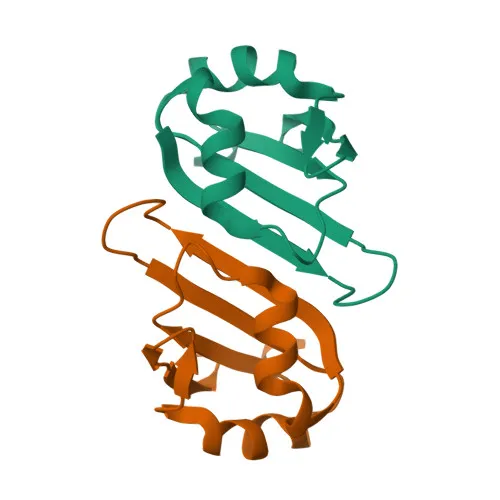
- Polyadenylate-binding protein 2 (PABPN1), also known as nuclear poly(A)-binding protein 1, poly(A)-binding protein II (PABII), or polyadenylate-binding nuclear protein 1, is encoded by the PABPN1 gene (synonyms PAB2, PABP2) in humans.
- Plays an essential role in the 3'-end formation of mRNA precursors (pre-mRNA) by directing the addition of a poly(A) tail of 200-250 nt to the upstream cleavage product. It stimulates poly(A) polymerase (PAPOLA), conferring processivity and controlling poly(A) tail length.
- Present at various stages of mRNA metabolism including nucleocytoplasmic trafficking and nonsense-mediated decay (NMD). It may also protect the poly(A) tail from degradation.
- Cooperates with SKIP to synergistically activate E-box-mediated transcription through MYOD1, potentially regulating the expression of muscle-specific genes. Related references: PMID:11371506
- Subunit of the trimeric poly(A) tail exosome targeting (PAXT) complex, a complex that directs a subset of long and polyadenylated RNAs for exosomal degradation. Related references: PMID:27871484
- Subcellular localization includes the nucleus, cytoplasm, and nuclear speckles.
- Tissue specificity is ubiquitous, with expression detected across many tissues.
- Post-translational modifications include acetylation, methylation, and phosphorylation. The protein is associated with the disease oculopharyngeal muscular dystrophy (OPMD) due to a triplet repeat expansion.
Experimental Guidance and Technical Tips
- The immunogen corresponds to the N-terminal region (amino acids 1-100) of human PABPN1, which is predicted to produce an antibody recognizing the full-length protein in Western blot at ~33 kDa. Consider using whole-cell lysates or nuclear extracts for detection.
- For ELISA applications, the polyclonal nature may provide enhanced sensitivity; however, validate in the relevant sample system, especially when analyzing tissues or cells from mouse models.
- Cross-reactivity with mouse PABPN1 has been reported, but assess potential batch-to-batch variation by including appropriate controls.
CamelBio: Your One-Stop Sourcing Bridge
CamelBio empowers diagnostic manufacturers and research laboratories with streamlined access to high-quality IVD raw materials. For investigations into mRNA processing, muscular dystrophy, or nuclear poly(A) metabolism, we offer validated antibody pairs, optimized monoclonal/polyclonal antibodies, and bulk ancillary reagents. Our network also supports sourcing of rare-target raw materials, helping you accelerate projects from concept to clinic.
REQUEST A QUOTE
Our professional team will reply to you within one business day. Please feel free to contact us!