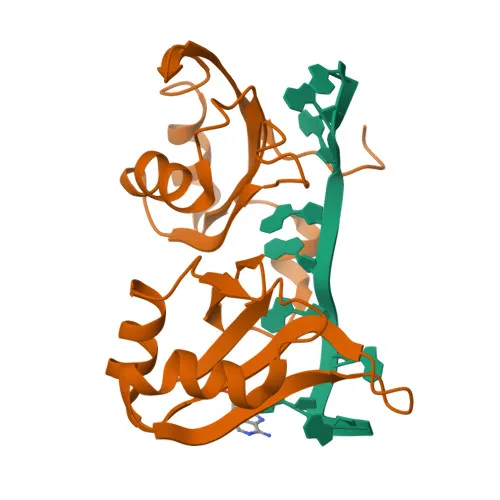
Polyclonal Antibodies
Anti-PABPC1 Polyclonal Antibody for WB, IHC-P, IF/ICC, ELISA - P11940
Item Number : CM0015808
Price varies based on specs and customizations
- Application
- WB, IHC-P, IF/ICC, ELISA
- Cross Reactivity
- Human, Mouse, Rat
- Protein Weight
- 71kDa

Shipping:
Contact us to get shipping details Enjoy On-time Dispatch Guarantee.
Why Choose Us
Easy ordering process, quality products, and dedicated support for your business success.
Core Product Specifications and Parameters
| Parameter | Value |
|---|---|
| Product Name | pAbPC1 Rabbit pAb |
| Remarks/Alias | PAB1; PABP; PABP1; PABPC2; PABPL1; pAbPC1 |
| Species | Human |
| Gene ID (human) | 26986 |
| Gene ID | 26986 |
| Immunogen | Synthetic Peptide |
| Source | Rabbit |
| Category | Polyclonal Antibodies |
| Application | WB, IHC-P, IF/ICC, ELISA |
| Cross Reactivity | Human, Mouse, Rat |
| SWISS | P11940 |
| Protein Weight | 71kDa |
| Shipping | Ice bag |
Biological Background: PABPC1 Function and Localization
- PABPC1 (Polyadenylate-binding protein 1) is a ubiquitously expressed RNA-binding protein that specifically interacts with the poly(A) tail of mRNAs, playing a central role in post-transcriptional gene regulation. Related references: PMID:11051545, PMID:17212783, PMID:25480299
- It modulates translational initiation, with its activity enhanced by PAIP1 and inhibited by PAIP2, highlighting its regulatory interplay in protein synthesis. Related references: PMID:11051545, PMID:20573744
- PABPC1 contributes to mRNA stability by protecting long poly(A) tails from uridylation and is involved in translationally coupled mRNA turnover. Related references: PMID:25480299, PMID:11051545
- It participates in nonsense-mediated mRNA decay (NMD) through competitive interaction with UPF1 and ribosome‑bound release factors for PTC recognition. Related references: PMID:18447585
- PABPC1 recognizes N6‑methyladenosine (m6A)‑modified mRNAs and thereby regulates the stability of specific targets such as MYC. Related references: PMID:32245947
- Subcellularly, PABPC1 localizes primarily to the cytoplasm but can also be found in stress granules, the nucleus, and cell projections like lamellipodia, reflecting its dynamic roles.
- Post‑translational modifications including phosphorylation and acetylation have been identified on PABPC1, suggesting additional layers of functional regulation.
- Additionally, PABPC1 positively regulates the replication of dengue virus, indicative of its involvement in host-virus interactions.
Experimental Guidance and Technical Tips
- The immunogen corresponds to a highly conserved region (residues 350‑450), supporting robust detection of PABPC1 orthologs across human, mouse, and rat samples.
- For Western blotting, a band at approximately 71 kDa is anticipated; include relevant controls and validate band specificity in your experimental system.
- Optimize antibody dilution for immunohistochemistry (IHC‑P) and immunofluorescence (IF/ICC) through a series of pilot experiments, as staining patterns may vary with tissue fixation and antigen retrieval methods.
- The antibody is also suitable for ELISA-based assays; titration under your specific assay conditions is recommended.
CamelBio: Your One-Stop Sourcing Bridge
CamelBio streamlines IVD development by providing both this high‑quality anti‑PABPC1 polyclonal antibody and access to a broad portfolio of antibody pairs, recombinant proteins, and ancillary reagents. Whether you need bulk raw materials for large‑scale assay manufacturing or assistance sourcing antibodies against rare RNA‑binding targets, our one‑stop platform bridges the gap from concept to clinic.
Product Datasheet
Anti-PABPC1 Polyclonal Antibody for WB, IHC-P, IF/ICC, ELISA - P11940
REQUEST A QUOTE
Our professional team will reply to you within one business day. Please feel free to contact us!