Polyclonal Antibodies
Anti-P23/PTGES3 Rabbit Polyclonal Antibody for WB and ELISA - Q15185
Item Number : CM0030506
Price varies based on specs and customizations
- Application
- WB, ELISA
- Cross Reactivity
- Human, Mouse, Rat
- Protein Weight
- 19kDa

Shipping:
Contact us to get shipping details Enjoy On-time Dispatch Guarantee.
Why Choose Us
Easy ordering process, quality products, and dedicated support for your business success.
Core Product Specifications and Parameters
| Parameter | Value |
|---|---|
| Product Name | P23/PTGES3 Rabbit pAb |
| Remarks/Alias | P23; TEBP; cPGES; P23/PTGES3 |
| Species | Human |
| Gene ID (Human) | 10728 |
| Gene ID | 10728 |
| Immunogen | A synthetic peptide corresponding to a sequence within amino acids 1-100 of human P23/P23/PTGES3 (NP_006592.3). |
| Source | Rabbit |
| Category | Polyclonal Antibodies |
| Application | WB, ELISA |
| Cross Reactivity | Human, Mouse, Rat |
| SWISS | Q15185 |
| Protein Weight | 19kDa |
| Shipping | Ice bag |
Biological Background: P23/PTGES3 Function and Localization
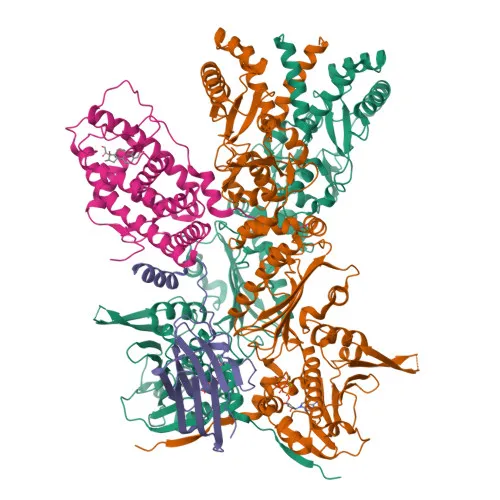
- Prostaglandin E synthase 3 (PTGES3), also known as cytosolic prostaglandin E2 synthase (cPGES), Hsp90 co-chaperone, progesterone receptor complex p23, and telomerase-binding protein p23, is a multifunctional protein.
- Functions as a cytosolic prostaglandin synthase that catalyzes the oxidoreduction of prostaglandin endoperoxide H2 (PGH2) to prostaglandin E2 (PGE2). Related references: PMID:10922363
- Acts as a molecular chaperone that localizes to genomic response elements in a hormone-dependent manner, disrupting receptor-mediated transcriptional activation by promoting disassembly of transcriptional regulatory complexes. Related references: PMID:11274138, PMID:12077419
- Facilitates HIF alpha proteins hydroxylation via interaction with EGLN1/PHD2, leading to recruitment of EGLN1/PHD2 to the HSP90 pathway. Related references: PMID:24711448
- Localizes predominantly to the cytoplasm.
- Undergoes multiple post-translational modifications, including acetylation, phosphorylation, isopeptide bond formation, and ubiquitin-like conjugation; alternative splicing produces multiple isoforms.
- Associated with diverse biological processes such as fatty acid biosynthesis, lipid metabolism, protein chaperoning, and isomerase activity, as indicated by UniProt keywords.
Experimental Guidance and Technical Tips
- The immunogen used (N-terminal amino acids 1-100) may exhibit high sequence conservation across human, mouse, and rat, consistent with the observed cross-reactivity. Validate antibody specificity in your model system using appropriate controls.
- In Western blotting, expect a band near 19 kDa; use positive (e.g., recombinant protein or cell lysate with confirmed expression) and negative controls to confirm specificity.
- For ELISA, titrate the antibody to determine the optimal working concentration for your assay conditions.
- Consider pre-adsorption or blocking peptide controls to further confirm signal specificity if needed.
CamelBio: Your One-Stop Sourcing Bridge
CamelBio provides a comprehensive, one-stop sourcing solution for IVD raw materials, including high-quality antibodies like this anti-PTEGS3 polyclonal antibody to accelerate your prostaglandin and molecular chaperone research. Our portfolio features validated antibody pairs, optimized monoclonal and polyclonal antibodies, bulk ancillary reagents, and customized sourcing for rare targets, supporting every stage from concept to clinic. Partner with us to streamline your diagnostic development with reliable and efficient raw-material supply.
REQUEST A QUOTE
Our professional team will reply to you within one business day. Please feel free to contact us!