Polyclonal Antibodies
Anti-P Glycoprotein Polyclonal Antibody for WB, IF/ICC, ELISA - P08183
Item Number : CM0018597
Price varies based on specs and customizations
- Application
- WB, IF/ICC, ELISA
- Cross Reactivity
- Mouse, Rat
- Protein Weight
- 141kDa

Shipping:
Contact us to get shipping details Enjoy On-time Dispatch Guarantee.
Why Choose Us
Easy ordering process, quality products, and dedicated support for your business success.
Core Product Specifications and Parameters
| Parameter | Value |
|---|---|
| Product Name | P Glycoprotein Rabbit pAb |
| Remarks/Alias | CLCS; MDR1; P-GP; PGY1; ABC20; CD243; GP170; p-170; P Glycoprotein |
| Species | Human |
| GeneID | 5243 |
| Immunogen | Recombinant protein|Recombinant fusion protein containing a sequence corresponding to amino acids 603-692 of human P Glycoprotein (NP_000918.2). |
| Source | Rabbit |
| Category | Polyclonal Antibodies |
| Application | WB, IF/ICC, ELISA |
| Cross Reactivity | Mouse, Rat |
| SWISS | P08183 |
| Protein Weight | 141kDa |
| Shipping | Ice bag |
Biological Background: P Glycoprotein Function and Localization
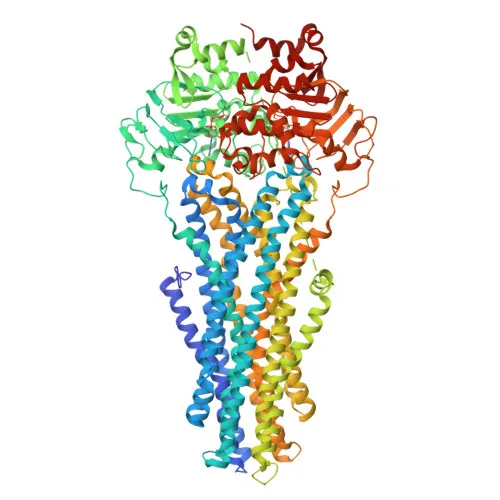
- The ATP-dependent translocase ABCB1, also known as P-glycoprotein (P-gp) or Multidrug resistance protein 1 (MDR1), belongs to the ATP-binding cassette (ABC) transporter superfamily.
- Acts as an energy-dependent efflux pump for a wide range of drugs across the cell membrane, contributing to decreased intracellular drug accumulation and multidrug resistance phenotypes. Related references: PMID:2897240 PMID:35970996 PMID:9038218
- Catalyzes the transmembrane flop (outward translocation) of phospholipids from the cytoplasmic to the exoplasmic leaflet of the apical membrane, including phosphatidylcholine, phosphatidylethanolamine, beta-D-glucosylceramides, and sphingomyelins. Related references: PMID:8898203
- Localizes predominantly at the apical cell membrane and is also detected in the cytoplasm, enabling its role in barrier tissues and excretory organs.
- Expressed in small intestine, liver, kidney, and brain, with proteomic evidence confirming small intestinal expression. Related references: PMID:28408210
- Post-translationally modified by glycosylation and phosphorylation, which can influence its stability, trafficking, and transport activity.
- Multiple transcript variants encoding distinct isoforms are generated through alternative splicing.
Experimental Guidance and Technical Tips
- The immunogen corresponds to an internal region (amino acids 603-692) of human P-glycoprotein; therefore, the antibody may recognize cytoplasmic epitopes in permeabilized samples.
- For WB, P-glycoprotein migrates at ~141 kDa; consider using appropriate gel percentages and transfer conditions for high molecular weight proteins.
- Cross-reactivity with mouse and rat has been demonstrated; validate the antibody in your specific sample system to confirm species reactivity and optimal dilution.
- In IF/ICC, fixation and permeabilization steps should be optimized to preserve epitope accessibility.
- For ELISA applications, consider testing a range of coating buffers and detection formats to maximize signal-to-noise ratio.
CamelBio: Your One-Stop Sourcing Bridge
CamelBio provides diagnostic manufacturers, research laboratories, and academic institutes with a comprehensive, one-stop sourcing solution for IVD raw materials. Our portfolio includes validated antibody pairs, optimized monoclonal and polyclonal antibodies, and bulk ancillary reagents, all backed by technical and sourcing support. For studies on drug transport, multidrug resistance, or pharmacokinetics, we can supply high-quality anti-P-glycoprotein antibodies and assist with rare target raw-material procurement, helping you accelerate your journey from concept to clinic.
Product Datasheet
Anti-P Glycoprotein Polyclonal Antibody for WB, IF/ICC, ELISA - P08183
REQUEST A QUOTE
Our professional team will reply to you within one business day. Please feel free to contact us!