Polyclonal Antibodies
Anti-OXCT1 Rabbit Polyclonal Antibody for WB, ELISA - P55809
Item Number : CM0030265
Price varies based on specs and customizations
- Application
- WB, ELISA
- Cross Reactivity
- Human, Mouse, Rat
- Protein Weight
- 56kDa

Shipping:
Contact us to get shipping details Enjoy On-time Dispatch Guarantee.
Why Choose Us
Easy ordering process, quality products, and dedicated support for your business success.
Core Product Specifications and Parameters
| Parameter | Value |
|---|---|
| Product Name | OXCT1 Rabbit pAb |
| Remarks/Alias | OXCT; SCOT; OXCT1 |
| Species | Human |
| Gene ID | 5019 |
| Immunogen | Recombinant fusion protein containing a sequence corresponding to amino acids 261-520 of human OXCT1 (NP_000427.1) |
| Source | Rabbit |
| Category | Polyclonal Antibodies |
| Application | WB, ELISA |
| Cross Reactivity | Human, Mouse, Rat |
| SWISS | P55809 |
| Protein Weight | 56kDa |
| Shipping | Ice bag |
Biological Background: OXCT1 Function and Localization
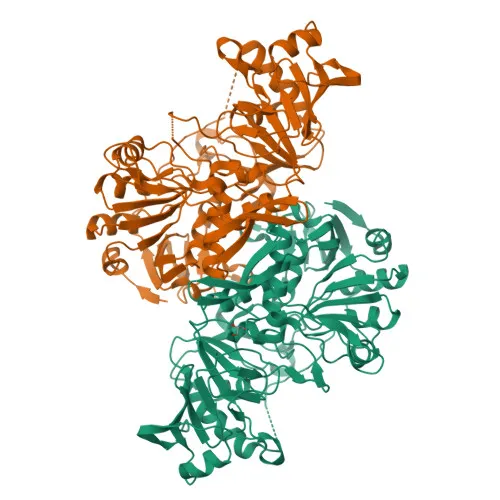
- OXCT1 encodes the mitochondrial matrix enzyme succinyl-CoA:3-ketoacid coenzyme A transferase 1, also referred to as somatic-type SCOT (SCOT-s). It belongs to the 3-oxoacid CoA-transferase family.
- The enzyme catalyzes the first, rate-limiting step of ketone body utilization in extrahepatic tissues by transferring CoA from succinyl-CoA to acetoacetate, yielding acetoacetyl-CoA (PubMed:10964512). Related references: PMID:10964512
- Functional OXCT1 forms a homodimer; both subunits can form an enzyme-CoA thiolester intermediate, but only one subunit is competent to complete the transfer to the 3-oxo acid acceptor (By similarity).
- OXCT1 is localized in the mitochondrial matrix, consistent with its role in energy metabolism.
- The protein is highly expressed in heart, brain, kidney, skeletal muscle, and lung, but is absent from liver. Lower levels are detectable in leukocytes and fibroblasts.
- Post-translational modifications include phosphorylation; alternative splicing generates multiple transcript variants. Disease-associated variants have been reported (keywords: Phosphoprotein, Alternative splicing, Disease variant).
Experimental Guidance and Technical Tips
- The immunogen corresponds to amino acids 261–520 of human OXCT1, a region conserved across human, mouse, and rat, supporting cross-species detection in these species.
- As a polyclonal antibody, it recognizes multiple epitopes, which can enhance WB signal but may also increase background; consider optimizing blocking and washing conditions.
- For ELISA, use the recombinant immunogen or purified native protein as coating antigen and perform appropriate antibody titrations.
- OXCT1 is a mitochondrial protein; enrichment of mitochondrial fractions from tissue or cell lysates may improve detection sensitivity in WB.
- Validate specificity using knockdown/knockout models or by comparing expression in heart (high OXCT1) versus liver (absent).
CamelBio: Your One-Stop Sourcing Bridge
CamelBio connects diagnostic manufacturers and research laboratories with a comprehensive portfolio of IVD raw materials, including validated antibodies like this OXCT1 polyclonal antibody for metabolic and mitochondrial disorder research. Our supply capabilities span optimized monoclonal/polyclonal antibodies, antibody pairs, bulk ancillary reagents, and sourcing for rare targets, supporting your workflow from concept to commercialization.
REQUEST A QUOTE
Our professional team will reply to you within one business day. Please feel free to contact us!