Polyclonal Antibodies
Anti-OTC Rabbit Polyclonal Antibody for WB and ELISA - P00480
Item Number : CM0026832
Price varies based on specs and customizations
- Application
- WB, ELISA
- Cross Reactivity
- Human, Mouse, Rat
- Protein Weight
- 40kDa

Shipping:
Contact us to get shipping details Enjoy On-time Dispatch Guarantee.
Why Choose Us
Easy ordering process, quality products, and dedicated support for your business success.
Core Product Specifications and Parameters
| Parameter | Value |
|---|---|
| Product Name | OTC Rabbit pAb |
| Remarks/Alias | OCTD; OTC1; OTCD; OTCase; OTC |
| Species | Human |
| GeneID (human) | 5009 |
| GeneID | 5009 |
| Immunogen | Recombinant fusion protein containing a sequence corresponding to amino acids 215-354 of human OTC (NP_000522.3). |
| Source | Rabbit |
| Category | Polyclonal Antibodies |
| Application | WB, ELISA |
| Cross Reactivity | Human, Mouse, Rat |
| SWISS | P00480 |
| Protein Weight | 40kDa |
| Shipping | Ice bag |
Biological Background: OTC Function and Localization
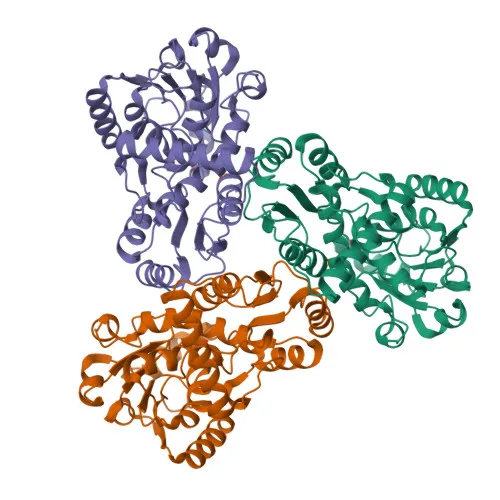
- OTC (ornithine transcarbamylase), also referred to as OTCase or OCTD, is a mitochondrial enzyme encoded by the OTC gene.
- It catalyzes the condensation of carbamoyl phosphate with L-ornithine to produce L-citrulline, the second step of the urea cycle, which is critical for ammonia detoxification and excretion (PubMed:2556444, PubMed:6372096, PubMed:8112735). Related references: PMID:2556444, PMID:6372096, PMID:8112735
- OTC belongs to the transferase family of enzymes and functions without cofactors.
- The protein is localized to the mitochondrial matrix, where it participates in the urea cycle (SUBCELLULAR LOCATION: Mitochondrion matrix).
- Post-translational modifications include acetylation and phosphorylation, as annotated in UniProt (keywords: Acetylation, Phosphoprotein).
- OTC is predominantly expressed in liver and intestinal mucosa, tissues central to nitrogen metabolism.
- Mutations in the OTC gene are associated with ornithine transcarbamylase deficiency, a urea cycle disorder (keyword: Disease variant).
Experimental Guidance and Technical Tips
- The immunogen used is a recombinant fragment covering amino acids 215-354 of human OTC, a region highly conserved across human, mouse, and rat, consistent with the reported multi-species cross-reactivity.
- For Western blotting, the expected molecular weight is approximately 40 kDa. Validate detection in relevant sample types such as liver or intestinal cell lysates, and use appropriate positive and negative controls.
- For ELISA applications, consider direct or indirect assay formats, and optimize antibody concentration for your specific experimental system.
- Owing to its mitochondrial localization, ensure proper sample preparation to release the protein from organelles when analyzing whole-cell extracts.
CamelBio: Your One-Stop Sourcing Bridge
CamelBio offers a comprehensive range of IVD raw materials, making it your strategic partner for diagnostic reagent development. This anti-OTC antibody supports research into urea cycle disorders and mitochondrial metabolism. CamelBio provides validated antibody pairs, optimized polyclonal and monoclonal antibodies, bulk ancillary reagents, and sourcing of rare-target raw materials to streamline your assay development from concept to clinic.
REQUEST A QUOTE
Our professional team will reply to you within one business day. Please feel free to contact us!