Polyclonal Antibodies
Anti-OSTM1 Polyclonal Antibody for WB, ELISA - Q86WC4
Item Number : CM0016778
Price varies based on specs and customizations
- Application
- WB, ELISA
- Cross Reactivity
- Human, Mouse, Rat
- Protein Weight
- 37kDa

Shipping:
Contact us to get shipping details Enjoy On-time Dispatch Guarantee.
Why Choose Us
Easy ordering process, quality products, and dedicated support for your business success.
Core Product Specifications and Parameters
| Parameter | Value |
|---|---|
| Product Name | OSTM1 Rabbit pAb |
| Remarks/Alias | GL, GIPN, OPTB5, HSPC019, OSTM1 |
| Species | Human |
| GeneID (human) | 28962 |
| Immunogen | Recombinant fusion protein containing a sequence corresponding to amino acids 32-284 of human OSTM1 (NP_054747.2) |
| Source | Rabbit |
| Category | Polyclonal Antibodies |
| Application | WB, ELISA |
| Cross Reactivity | Human, Mouse, Rat |
| SWISS | Q86WC4 |
| Protein Weight | 37kDa |
| Shipping | Ice bag |
Biological Background: OSTM1 Function and Localization
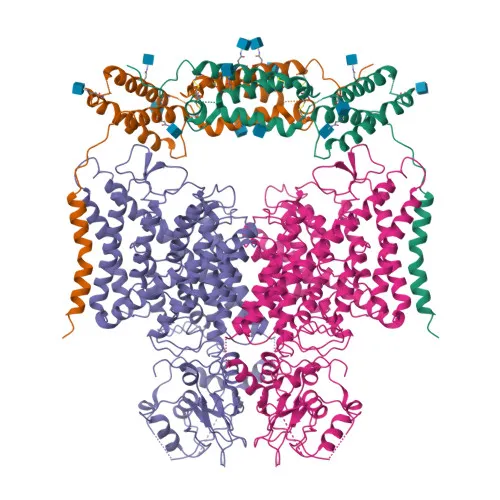
- OSTM1 is a transmembrane protein that functions as the beta subunit of the chloride channel 7 (CLC-7) complex, essential for the acidification of the lysosome and resorption lacuna in osteoclasts.
- Required for the maturation and function of osteoclasts, cells responsible for bone resorption, and melanocytes, pigment-producing cells.
- Localized to the lysosome membrane, where it facilitates chloride ion transport to balance proton pumping and maintain lysosomal pH.
- Contains a signal peptide and multiple N-glycosylation sites, consistent with its processing through the secretory pathway and integration into membranes.
- Phosphorylation sites have been identified, suggesting regulatory mechanisms that may modulate its activity or interactions.
- Mutations in OSTM1 cause autosomal recessive osteopetrosis, characterized by dense bones due to defective osteoclast function, often accompanied by neurodegeneration.
Experimental Guidance and Technical Tips
- The immunogen comprises the N-terminal luminal domain (aa 32-284), which is expected to be exposed and accessible in its native conformation on the lysosomal membrane, making it suitable for detection in whole cell lysates.
- For Western blot, a band around 37 kDa is expected, but glycosylation may increase the apparent molecular weight; reducing conditions are recommended.
- ELISA can be used with immobilized recombinant OSTM1 protein or cell lysates; linear detection range and optimal coating conditions should be determined empirically.
- Cross-reactivity with mouse and rat suggests conserved epitopes; verify with species-specific controls.
CamelBio: Your One-Stop Sourcing Bridge
CamelBio provides diagnostic manufacturers and research laboratories with a comprehensive portfolio of high-quality raw materials for IVD development. Our OSTM1 polyclonal antibody supports investigations into osteoclast biology and related bone disorders, with additional sourcing capabilities for matched antibody pairs, optimized detection reagents, and ancillary assay components tailored to your project needs.
REQUEST A QUOTE
Our professional team will reply to you within one business day. Please feel free to contact us!