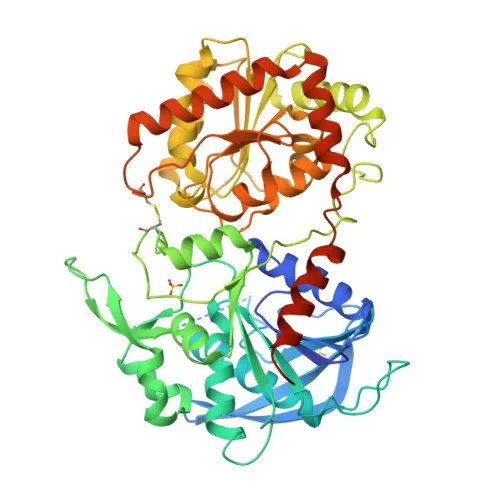
Polyclonal Antibodies
Anti-OsGBSSⅠ Rabbit Polyclonal Antibody for WB and ELISA - Q0DEV5
Item Number : CM0022251
Price varies based on specs and customizations
- Application
- WB, ELISA
- Cross Reactivity
- Oryza sativa
- Protein Weight
- 66kDa

Shipping:
Contact us to get shipping details Enjoy On-time Dispatch Guarantee.
Why Choose Us
Easy ordering process, quality products, and dedicated support for your business success.
Core Product Specifications and Parameters
| Parameter | Value |
|---|---|
| Product Name | OsGBSSⅠ Rabbit pAb |
| Remarks/Alias | Wx; WX1; Wx-b; waxy; GBSS1; WX-mq; WX1-1; Wx-oz; GBSS-I; OsGBSS1; 134P10.7; OsGBSSⅠ |
| Species | Oryza sativa |
| GeneID | 4340018 |
| Immunogen | Recombinant fusion protein containing a sequence corresponding to amino acids 1-100 of Oryza sativa OsGBSSⅠ. (Q0DEV5) |
| Source | Rabbit |
| Category | Polyclonal Antibodies |
| Application | WB, ELISA |
| Cross Reactivity | Oryza sativa |
| SWISS | Q0DEV5 |
| Protein Weight | 66kDa |
| Shipping | Ice bag |
Biological Background: OsGBSSⅠ (Granule-bound starch synthase I) Function and Localization
- The target protein is Granule-bound starch synthase 1, chloroplastic/amyloplastic (GBSS-I), also known as OsGBSSⅠ, Waxy, or Wx, and is encoded by the WAXY gene in Oryza sativa subsp. japonica.
- GBSS-I is essential for amylose synthesis; it is specifically required for the production of amylose in the rice endosperm.
- As a member of the glycosyltransferase family, it catalyzes the transfer of glucose moieties to elongating amylose chains within starch granules.
- Subcellularly, GBSS-I is localized to plastids, predominantly in chloroplasts and amyloplasts, where starch biosynthesis occurs.
- The protein contains a transit peptide directing it to plastids, and its mature form exhibits an intramolecular disulfide bond; it has been classified as an allergen.
- The calculated molecular weight of the precursor is approximately 66 kDa (66,476 Da), consistent with the observed protein weight of 66 kDa.
Experimental Guidance and Technical Tips
- This polyclonal antibody was raised against an N-terminal fragment (amino acids 1-100) of OsGBSSⅠ. Researchers may consider validating its reactivity in their specific Oryza sativa cultivars or tissue extracts, particularly endosperm where GBSS-I expression is highest.
- For Western blotting, a band around 66 kDa is expected; however, sample preparation (e.g., reducing conditions) may affect detection due to potential disulfide bond formation.
- For ELISA applications, optimization of coating antigen concentration and detection conditions using known positive and negative controls is advisable.
- Cross-reactivity with other rice starch synthase isoforms or related proteins cannot be excluded; consider sequence alignment of the immunogen region to assess specificity.
CamelBio: Your One-Stop Sourcing Bridge
CamelBio provides a comprehensive range of IVD raw materials for plant biology and starch metabolism research, including validated antibody pairs, optimized polyclonal antibodies like this anti-OsGBSSⅠ, and bulk ancillary reagents. This antibody supports research into amylose synthesis, rice grain quality, and related agricultural diagnostics. For rare target raw-material sourcing or custom antibody development, CamelBio serves as a reliable partner from concept to clinic.
REQUEST A QUOTE
Our professional team will reply to you within one business day. Please feel free to contact us!